Helical Pile Cost in Australia: What Drives Price and How to Control It
Traditional foundations often carry hidden costs that catch project managers off guard. When you’re planning large-scale infrastructure, understanding the helical pile cost in Australia can save time and money without compromising compliance. This post breaks down key price drivers, compares foundation options, and shows how tailored design reviews help control expenses while meeting AS 2159 standards. Keep reading to get precise insights that support your next foundation decision. For more detailed information, you can visit this link.
Understanding Helical Pile Costs
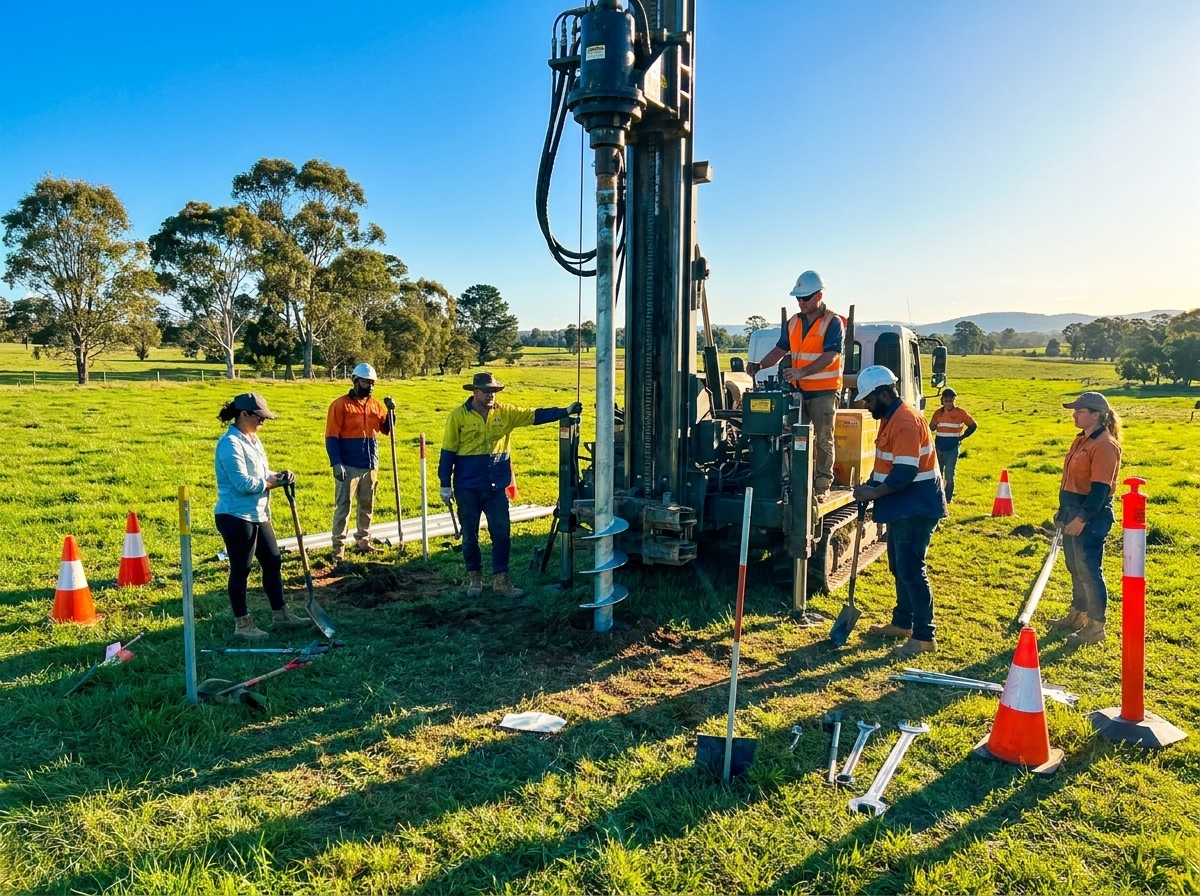
Helical piles present a smart choice for infrastructure projects, but what factors affect their price? Understanding these elements helps you plan better and avoid surprises.
Key Cost Drivers in Australia
Every project is unique, and several factors influence the cost of helical piles. Steel prices play a significant role, as helical piles are made of galvanised steel. This material offers excellent corrosion protection, essential for long-lasting foundations. Another key factor is installation rates, which can vary based on location and soil conditions. Remote areas might incur higher costs due to transportation and logistics challenges. In contrast, urban areas might see increased labor costs. Lastly, load testing and proof testing add to the costs but are crucial for ensuring that piles meet the required standards.
Comparing Pile and Traditional Foundations
Why choose helical piles over traditional foundations? The answer lies in cost-effectiveness and efficiency. Helical piles eliminate the need for excavation, reducing labor and equipment costs. Unlike concrete, they don’t require curing time, speeding up the overall construction timeline. For example, a solar farm foundation cost is typically lower with helical piles compared to concrete due to these efficiencies. Moreover, helical piles provide reliable support in varied soil conditions like reactive clay and cobbles. This adaptability makes them an attractive option for projects with challenging ground conditions.
Controlling Costs Efficiently
How can you keep costs in check while using helical piles? Start by requesting a detailed site analysis. This helps identify the specific requirements and potential challenges of your project. Employing torque monitoring during installation ensures each pile reaches the necessary depth and strength, preventing costly rework. Choosing the right corrosion protection class also extends the lifespan of your piles, which can lower the total cost of ownership. By focusing on these strategies, you can achieve significant savings without sacrificing quality or safety.
Benefits of Helical Piles
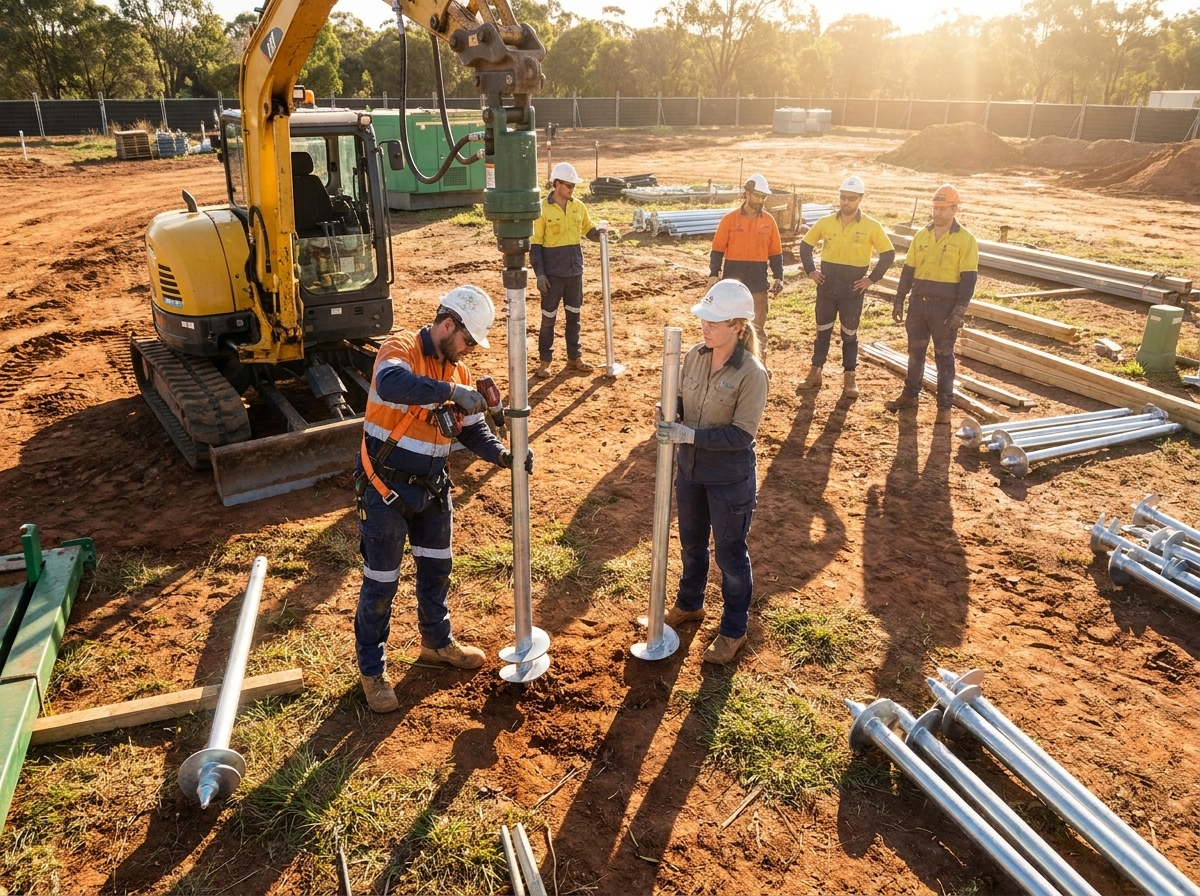
Helical piles offer more than just cost savings. They bring a host of benefits that make them a superior choice for many infrastructure projects.
Compliance and Performance Assurance
Meeting compliance standards is critical in construction. Helical piles are designed to comply with AS 2159 standards, ensuring safety and reliability. The use of torque monitoring during installation provides real-time data, confirming that each pile meets the required performance criteria. This not only assures compliance but also enhances the structural integrity of your project. Additionally, the galvanised steel piles offer excellent durability, resisting wear and tear over time.
Environmental Advantages and Minimal Disturbance
Environmental impact is a growing concern in construction. Helical piles provide a solution with minimal disturbance piling. Their installation requires no excavation, meaning less disruption to the surrounding area. This makes them ideal for environmentally sensitive sites or projects where preserving the natural landscape is important. Furthermore, the lightweight nature of helical piles reduces the carbon footprint associated with transportation and installation.
Cost Savings in Remote Locations
Remote locations often present logistical challenges. Helical piles can offer significant savings here. Their lightweight design means they are easier and cheaper to transport, even to isolated sites. In addition, the quick installation process reduces the time and labor required, which is especially beneficial in locations where resources are scarce. For instance, the pipeline supports pricing becomes more manageable with helical piles due to these efficiencies.
Tailored Solutions and Next Steps
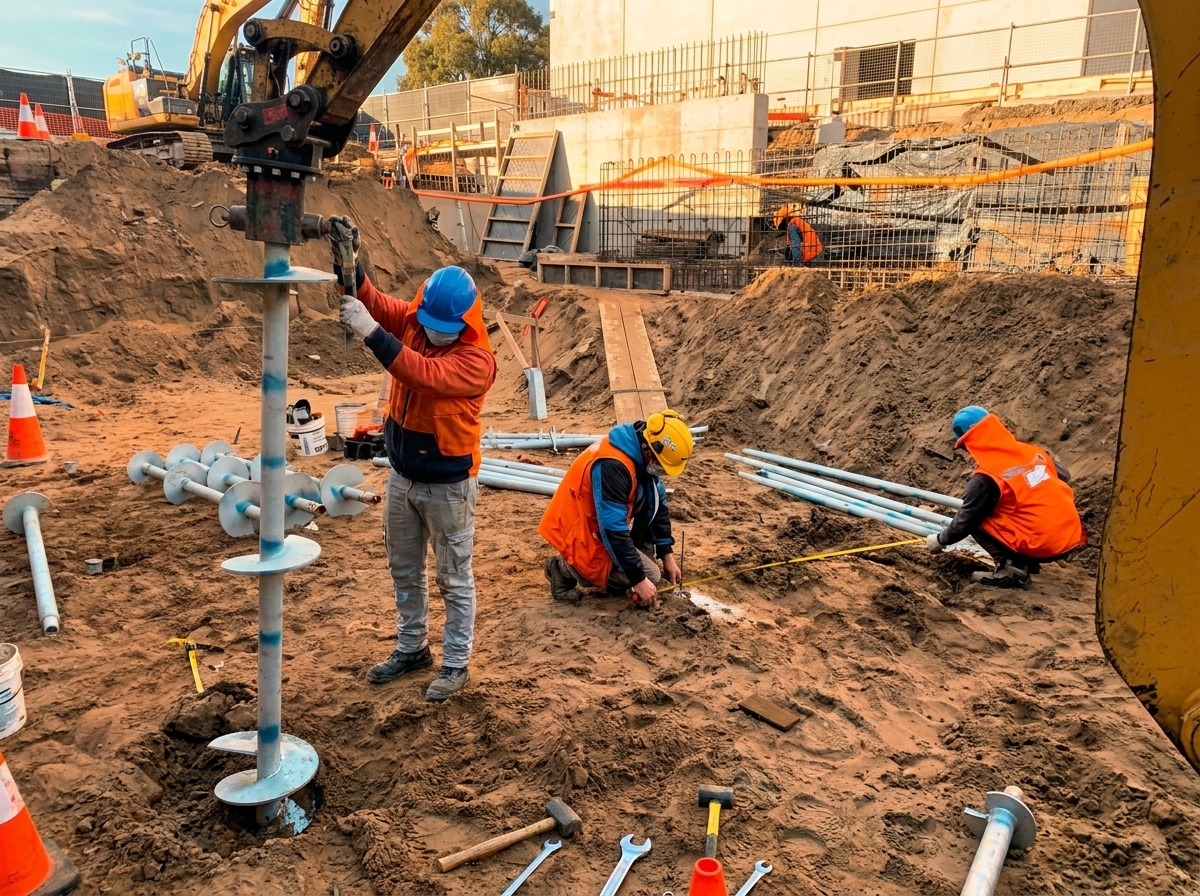
Custom solutions ensure that helical piles meet your project’s unique requirements. Here’s how to take the next step.
Requesting a Custom Budget Estimate
Gaining a clear understanding of your project’s needs is crucial. Begin by requesting a custom budget estimate. This involves analyzing site conditions, project scope, and specific requirements. A tailored estimate helps you plan accurately and avoid unexpected expenses. It also allows you to assess the potential savings compared to traditional foundation methods.
Booking a Consult with Our Experts
Need more guidance? Book a consult with our experts. They can offer insights into the best practices for your project, ensuring that your foundation is not only cost-effective but also robust and compliant. Our experienced team is ready to help you navigate the complexities of foundation planning, providing you with the confidence to proceed with your project.
Pilot Test-Pile Program Details
Considering a pilot program? This allows you to test helical piles on a smaller scale before committing to a full rollout. It provides valuable data on performance and helps refine the installation process. By identifying any potential challenges early, you can make informed decisions, saving both time and money in the long run.
Helical piles offer an efficient and reliable foundation solution. Whether you’re dealing with remote locations, challenging soil conditions, or tight budgets, they provide a viable alternative to traditional methods. For more on helical piles, visit this comprehensive guide.
Last chance for 2026 pricing – secure your foundation solutions today.