Traditional concrete foundations often stall projects with long curing times and unpredictable results. You face tight deadlines, tough soils like expansive clays, and the need to reduce ground disturbance. Helical piers installed by Helical Piles Australia cut foundation time by up to 50%, delivering immediate load capacity verified through torque correlation. This post explains how engineered helical piles solve risks on solar farms, transmission lines, and pipeline supports across Australia’s challenging sites. Learn more about the environmental benefits of using helical piers here.
Helical Piers: Speed and Performance
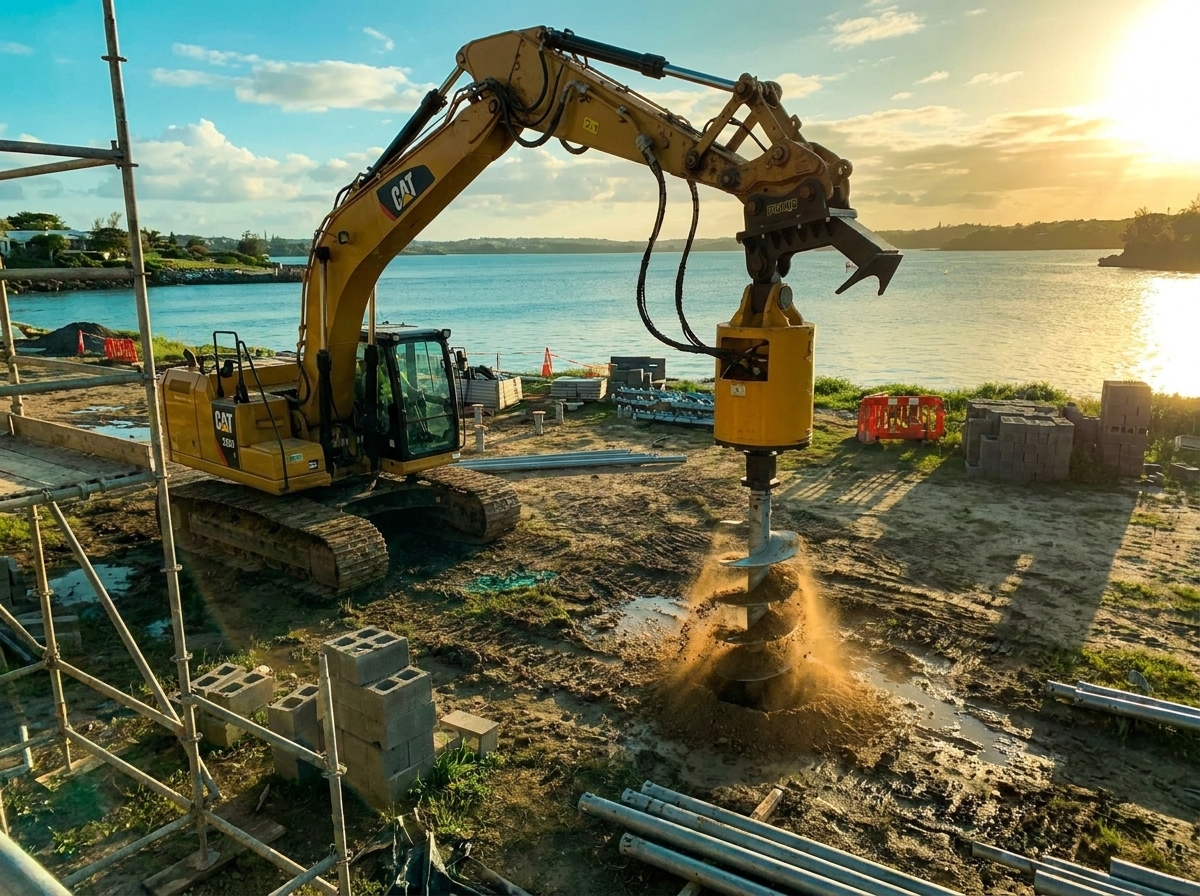
When it comes to tackling foundation challenges, speed and reliability are key. Helical piers provide a solution that addresses both, helping you stay on schedule while reducing risk.
Reducing Project Risks
Every construction project has its own set of risks. With helical piers, you can mitigate many of these. Helical piers are particularly valuable in difficult soil conditions, such as expansive clays and collapsible sands, where traditional methods falter. Up to 50% faster installation means you can proceed without the lengthy delays associated with concrete curing, keeping your project on track and reducing the risk of unforeseen costs.
Helical piers are designed to offer immediate load-bearing capabilities. This means no waiting around for materials to set, which is crucial in time-sensitive projects. The real-time torque verification ensures that the installation meets the required standards, providing peace of mind that the foundation is secure and reliable.
Accelerating Construction Schedules
Time is money, and construction delays can be costly. Helical piers allow for rapid installation, effectively shaving weeks off your project timeline. By eliminating the need for extensive excavation and concrete curing, helical piers offer a streamlined solution that gets your project moving faster.
The immediate load capacity provided by helical piers further accelerates the process. Structures can be built immediately after installation, without waiting for materials to cure. This not only speeds up construction but also allows for greater flexibility in scheduling, ensuring that you can adapt to changing project demands without missing a beat.
Improving Environmental Outcomes
Construction often comes with environmental concerns. Helical piers address these by minimizing ground disturbance, which is vital for sensitive sites. The installation process involves screwing the piles into the ground, which means there is no need for large-scale excavation or soil displacement. This reduces the impact on the surrounding environment, making it a more sustainable choice.
Moreover, helical piers are versatile and can be used in various weather conditions. This adaptability reduces the risk of delays due to weather-related issues, further supporting an efficient and environmentally friendly construction process. By choosing helical piers, you contribute to a more sustainable future, ensuring your project meets environmental standards.
Technical Design and Verification
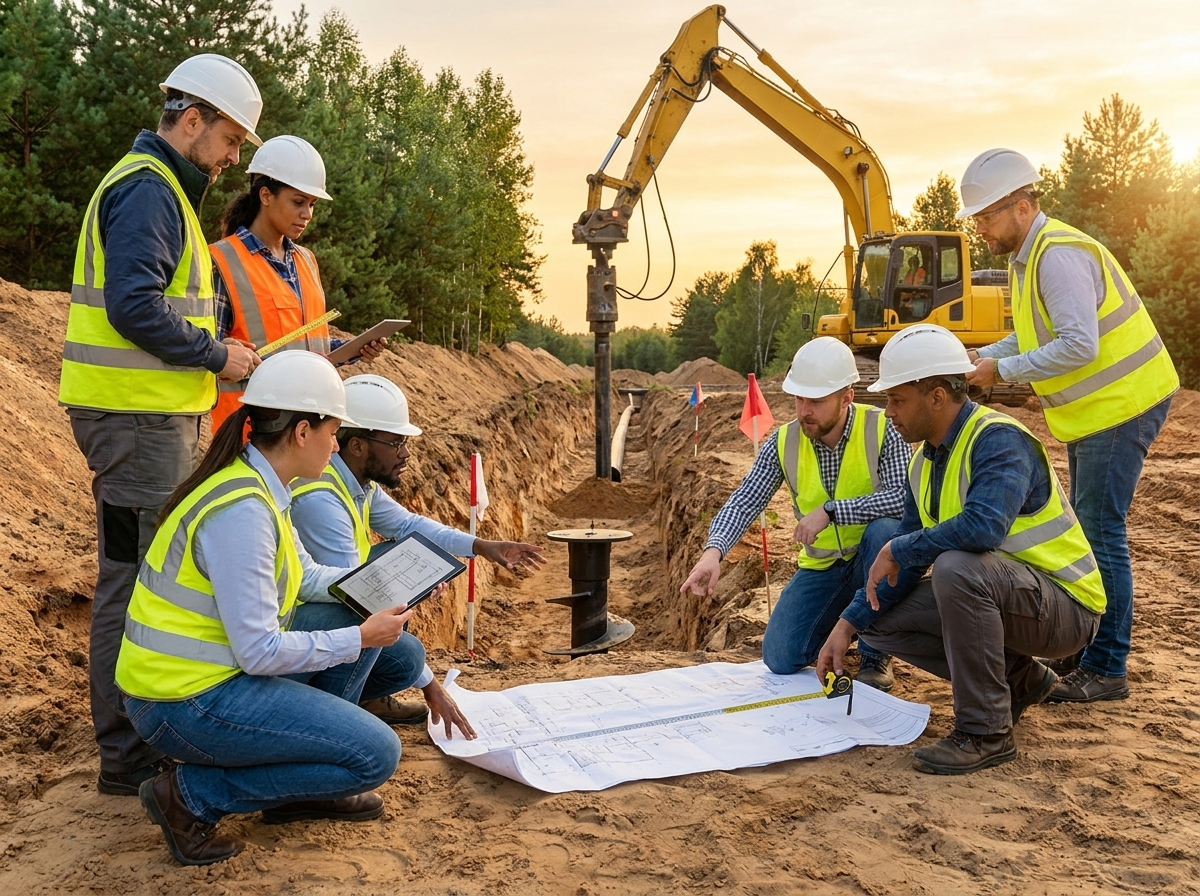
The technical design of helical piers ensures they meet the specific needs of each project. Let’s delve into the details of what makes these piers a reliable choice.
Understanding Torque Correlation
Torque correlation is a critical factor in the installation of helical piers. It provides a direct indication of the load-bearing capacity of each pier, ensuring quality assurance from the get-go. By monitoring the torque during installation, you can verify that the piers are installed correctly and will perform as expected.
This method of verification is essential for maintaining the integrity of your foundation. It eliminates guesswork, providing a clear, data-driven assurance that the foundation will support the intended loads. This approach not only boosts confidence in the installation but also streamlines the approval process, allowing for faster project progression.
Corrosion Protection Strategies
Corrosion is a common concern with metal foundations. Helical piers address this with robust corrosion protection strategies. Galvanized steel is standard, offering a durable layer of protection against rust and decay. This ensures long-term performance and reduces the need for maintenance, providing cost savings over the life of the project.
For sites with highly corrosive soils, additional measures can be taken. Coatings and wraps may be used to add extra layers of protection, further extending the lifespan of the piers. These strategies guarantee that your investment is protected, ensuring reliable performance for years to come.
Quality Assurance in Foundations
Quality assurance is at the heart of helical pier installation. Each step of the process is designed to meet strict standards, from design through to installation. This commitment to quality ensures that every pier installed will perform reliably and meet the specific demands of your project.
Real-time data logging during installation provides an additional layer of assurance. By capturing key metrics, you can validate the installation against design specifications, ensuring compliance with relevant standards. This data-driven approach to quality assurance guarantees that your foundation will stand up to the demands of your project.
Practical Applications and Use Cases
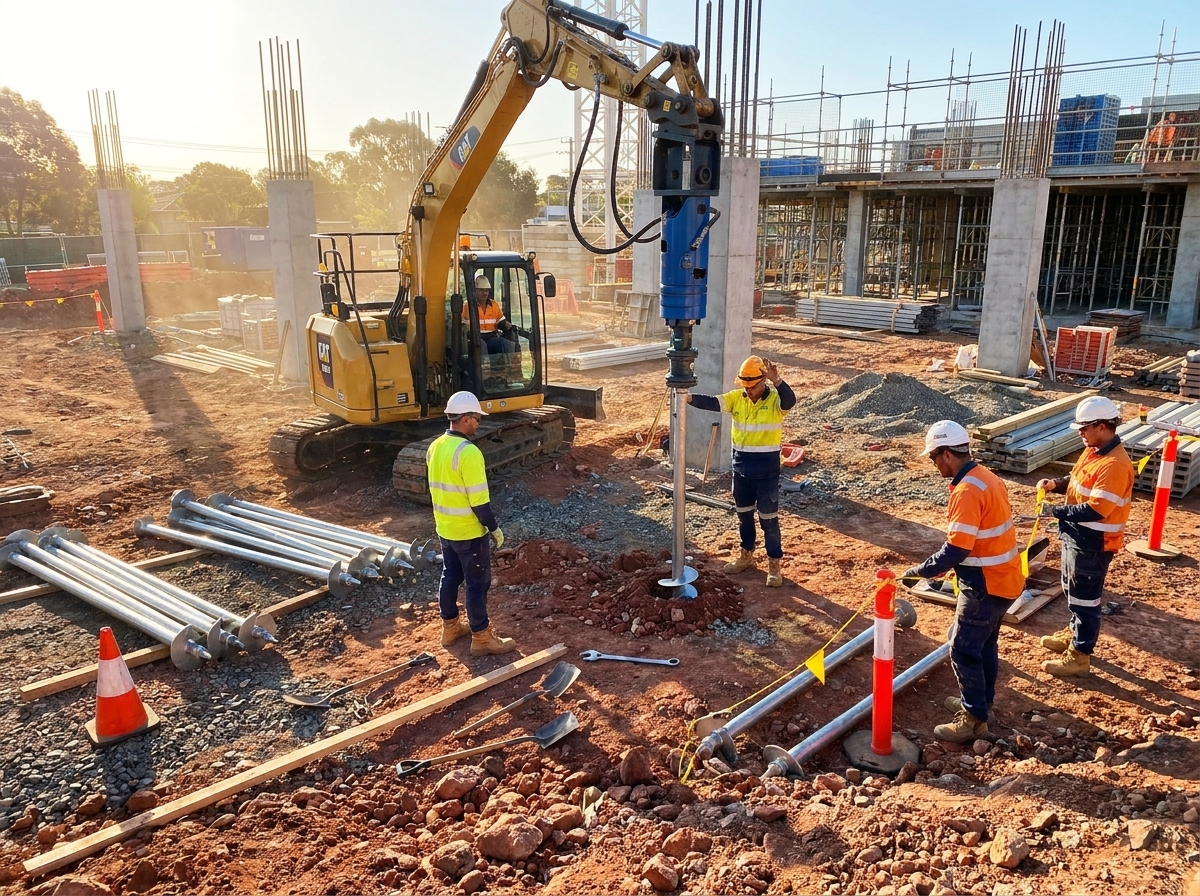
Helical piers have a range of applications, making them a versatile choice for many projects. Here’s how they can be applied across different sectors.
Solar Farm Foundations
Solar farms require stable, reliable foundations that can be installed quickly and with minimal disruption. Helical piers are ideal for this purpose, offering a solution that meets these needs. Their rapid installation means solar panels can be mounted and operational in less time, maximizing energy production and return on investment.
The minimal ground disturbance is another key benefit for solar farms, particularly those located on environmentally sensitive land. By reducing the impact on the soil and surrounding ecosystem, helical piers help ensure compliance with environmental regulations, supporting sustainable energy development.
Transmission Line Footings
Transmission lines often traverse challenging terrain, requiring foundations that can handle irregular ground conditions. Helical piers provide a stable solution that can be installed in remote and difficult environments. Their ability to perform in variable soils makes them an ideal choice for transmission projects, offering a reliable foundation that supports the integrity of the infrastructure.
Moreover, the quick installation reduces the time needed for construction, minimizing disruption to the surrounding area. This is particularly valuable in remote locations where access is limited and construction schedules must be tightly managed.
Pipeline Supports in Challenging Conditions
Pipelines require stable support structures that can withstand various environmental conditions. Helical piers are engineered to meet these demands, offering a corrosion-resistant and stable solution for pipeline supports. Their adaptability to different soil conditions ensures they can be used across a wide range of terrains, from clays to sands.
The immediate load capacity of helical piers allows pipelines to be operational sooner, reducing downtime and associated costs. By choosing helical piers, you ensure that your pipeline infrastructure is supported by a foundation that is both reliable and efficient, meeting the demands of modern construction projects.
In conclusion, helical piers provide a fast, reliable, and environmentally friendly foundation solution for various infrastructure projects. Whether you’re working on a solar farm, transmission line, or pipeline, these piers deliver the performance and efficiency needed to meet project goals and reduce risk. Consider helical piers for your next project to ensure success and sustainability.
Last chance for 2026 pricing – secure your foundation solutions today.