Foundation problems often start small but end in costly delays and compliance headaches. Spotting early signs of settlement and differential settlement can save your project time and budget. This guide explains how to conduct practical geotechnical investigations and when switching to helical piles Australia’s toughest soils makes sense. Keep your schedules on track with proven deep foundation solutions designed for reactive clay soils and AS 2159 compliance.
Identifying Foundation Problems Early
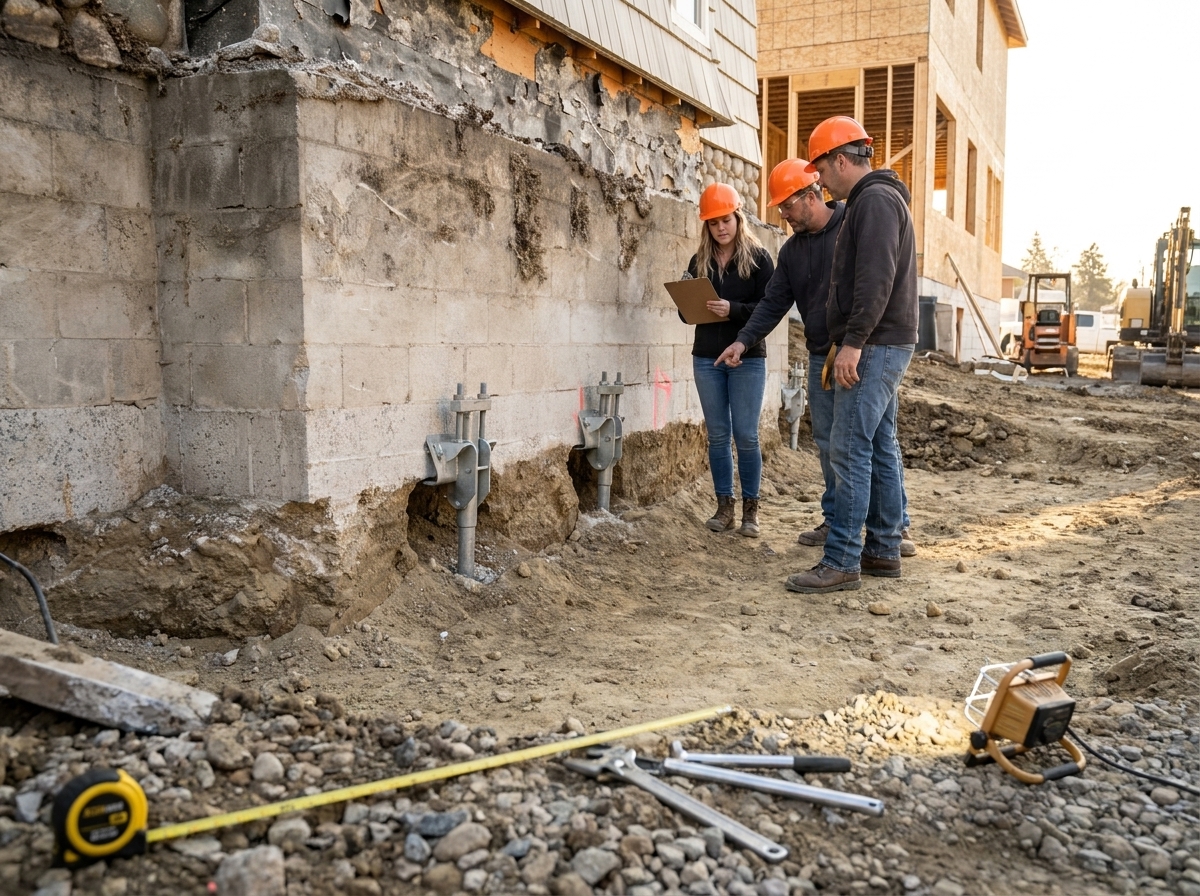
Understanding the early indicators of foundation problems can help you avoid costly setbacks. Spotting these issues early can prevent larger problems down the line.
Early Signs of Settlement
You might notice small cracks in walls or uneven floors. These are common early signs of settlement. Keep an eye out for doors or windows that stick, which can indicate movement in your foundation. Cracks wider than 5mm could mean you need to take action.
Another clue is when you see gaps forming between walls and floors or ceilings. These problems can escalate quickly if ignored. For more detailed insights on identifying these signs, check out this guide.
Recognizing Differential Settlement
Uneven settling is a serious issue. Look for sloped floors or tilting chimneys. These can be signs of differential settlement, where one part of your structure sinks more than another. Did you know? Differential settlement can lead to structural failure if not addressed early.
Pay attention to the exterior as well. If your building is leaning or if there are cracks in the foundation itself, these are red flags. To learn more, explore these warning signs.
Practical Monitoring and Investigation Steps
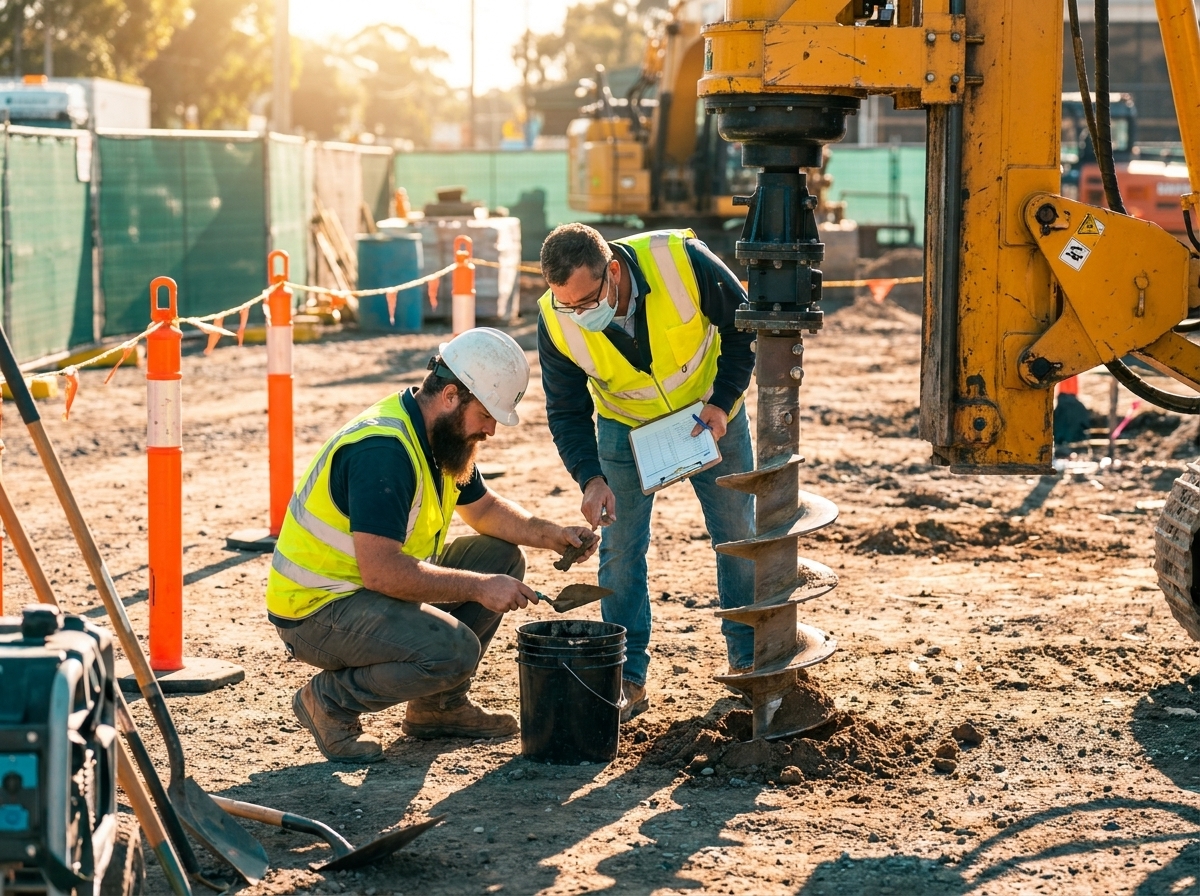
Once potential issues are identified, practical monitoring and investigative steps are crucial. Knowing what to look for and how to investigate can save time and money.
Conducting Geotechnical Investigations
A geotechnical investigation is a critical first step in assessing foundation problems. This process involves collecting soil samples and analyzing them for stability and composition. Here’s how you can do it:
Sample Collection: Take samples from different depths to get a comprehensive soil profile.
Lab Analysis: Test for soil type, density, and moisture content to understand its load-bearing capacity.
These investigations are essential. They provide the data needed to make informed decisions about your foundation and more.
Assessing Reactive Clay Soils
Australia’s reactive clay soils pose unique challenges. These soils expand when wet and contract when dry, contributing to foundation movement. It’s crucial to assess these soils accurately:
Moisture Monitoring: Regularly check moisture levels to predict soil movement.
Foundation Adjustment: Solutions such as root barriers or moisture management systems can mitigate risks.
Understanding soil behavior is key to planning effective foundation solutions. For more on this, consider reading this detailed analysis.
Pivoting to Helical Pile Solutions
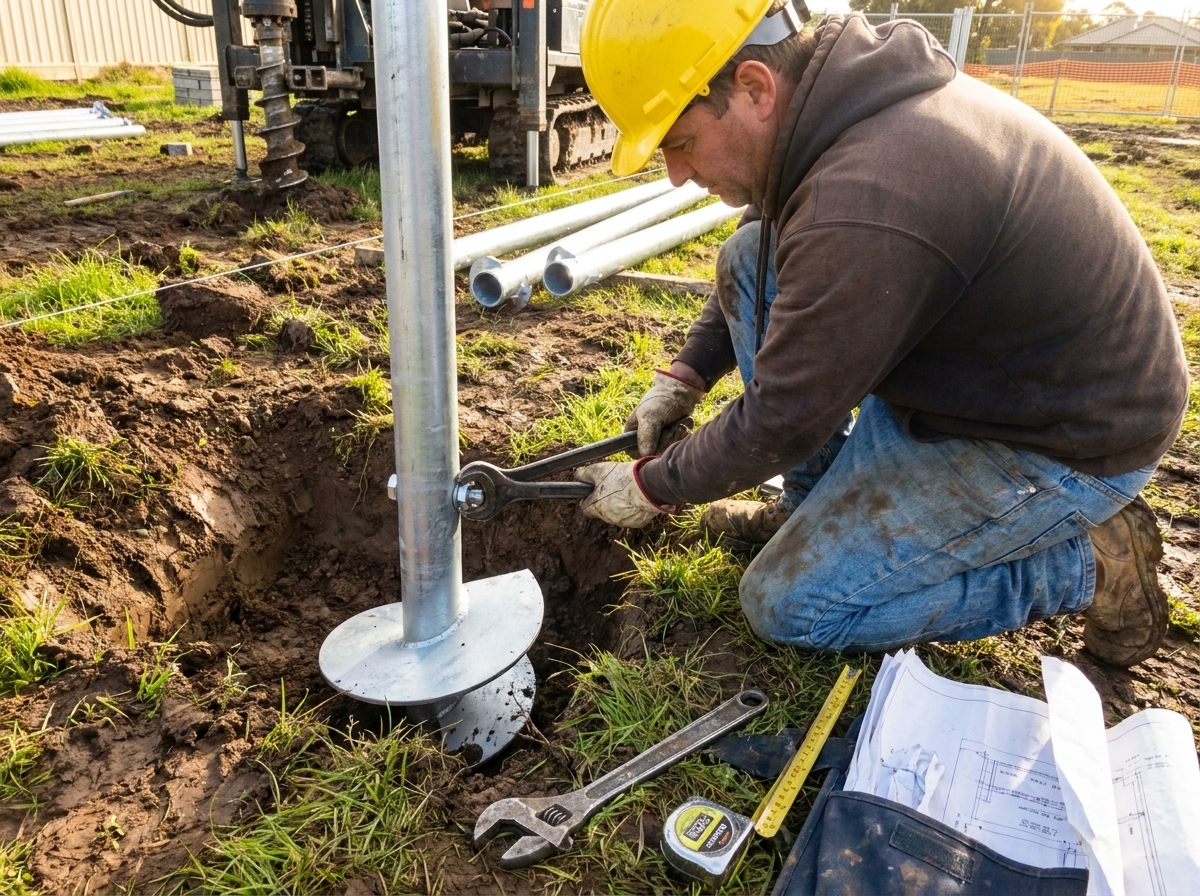
When conventional methods fall short, helical piles offer a reliable alternative. They are particularly effective in challenging soil conditions.
Comparing Screw Piles vs Bored Piles
Choosing the right foundation system is essential. Here’s a simple comparison:
Screw Piles | Bored Piles |
|---|---|
Quicker installation | Longer installation time |
Suitable for poor soil conditions | Requires stable soil |
Less site disturbance | More site preparation needed |
Screw piles offer significant advantages, especially in terms of speed and site impact. Want to know more? Explore this technical analysis.
Benefits of Helical Piles in Australia
Helical piles are not just faster, they provide other benefits too. Here’s what makes them a superior choice:
Immediate Load Bearing: No curing time needed, allowing construction to proceed without delays.
Environmentally Friendly: Minimal soil disturbance means less environmental impact, crucial for sensitive sites.
These advantages make helical piles an excellent choice for projects across Australia. They not only save time and money but also ensure compliance with AS 2159 standards. For further insights, have a look at this detailed comparison.
By understanding early foundation problems and knowing when to pivot to helical piles, you can keep your construction projects on track and within budget. Trust in the reliability and efficiency of helical piles to meet your foundation needs in Australia’s toughest environments.
Avoid foundation pitfalls – explore better alternatives today.