Complex Australian sites demand more than standard solutions. Designing with helical piles Australia experts trust means mastering geotechnical inputs, torque correlation, and lateral load checks to ensure foundations perform under pressure. This guide breaks down what your next project needs—from AS 2159 compliance to corrosion management—so you can design with confidence and reduce risk on challenging terrain. For more information on helical pile design, you can refer to https://torcsill.com/feeds/blog/screw-pile-installation.
Helical Pile Design Essentials
Geotechnical Inputs and Analysis
Understanding the ground beneath your feet is the starting point for any successful helical pile project. You need accurate geotechnical data to make informed decisions. Soil reports and surveys provide the details you need to assess site conditions. This includes soil type, density, and moisture levels, which influence pile performance.
Once you have this information, it’s time to analyze. Geotechnical inputs help determine load-bearing capacities. This step is crucial in planning foundation depth and spacing. Accurate data reduces the risk of foundation failure and optimizes material use. With this analysis, you set the stage for a strong foundation.
Torque Correlation and Monitoring
Monitoring torque during installation is key to ensuring your piles are properly set. The torque correlation factor connects the installation torque to the pile’s load capacity. This allows you to verify that each pile can handle the expected loads. Monitoring helps you adjust in real-time, ensuring each pile meets specifications.
The process involves measuring torque as the pile is driven into the ground. This data provides immediate feedback. Adjustments can be made on the spot, ensuring each pile is secure. Proper monitoring saves time and prevents costly errors later. It also ensures compliance with standards like AS 2159, which can be further explored in this Chance Technical Design Manual.
Lateral and Uplift Capacity Checks
Lateral and uplift checks are vital for projects where stability is crucial. These checks ensure your piles can withstand horizontal forces and upward pressure. They are particularly important in areas prone to high winds or seismic activity. Conducting these checks during the design phase prevents issues down the line.
Lateral checks focus on the pile’s ability to resist sideways movement. Uplift checks ensure that the pile remains anchored under upward forces. Together, these assessments confirm that your foundation can handle all possible stresses. This step is essential in regions with challenging weather or seismic conditions.
Durability and Corrosion Considerations
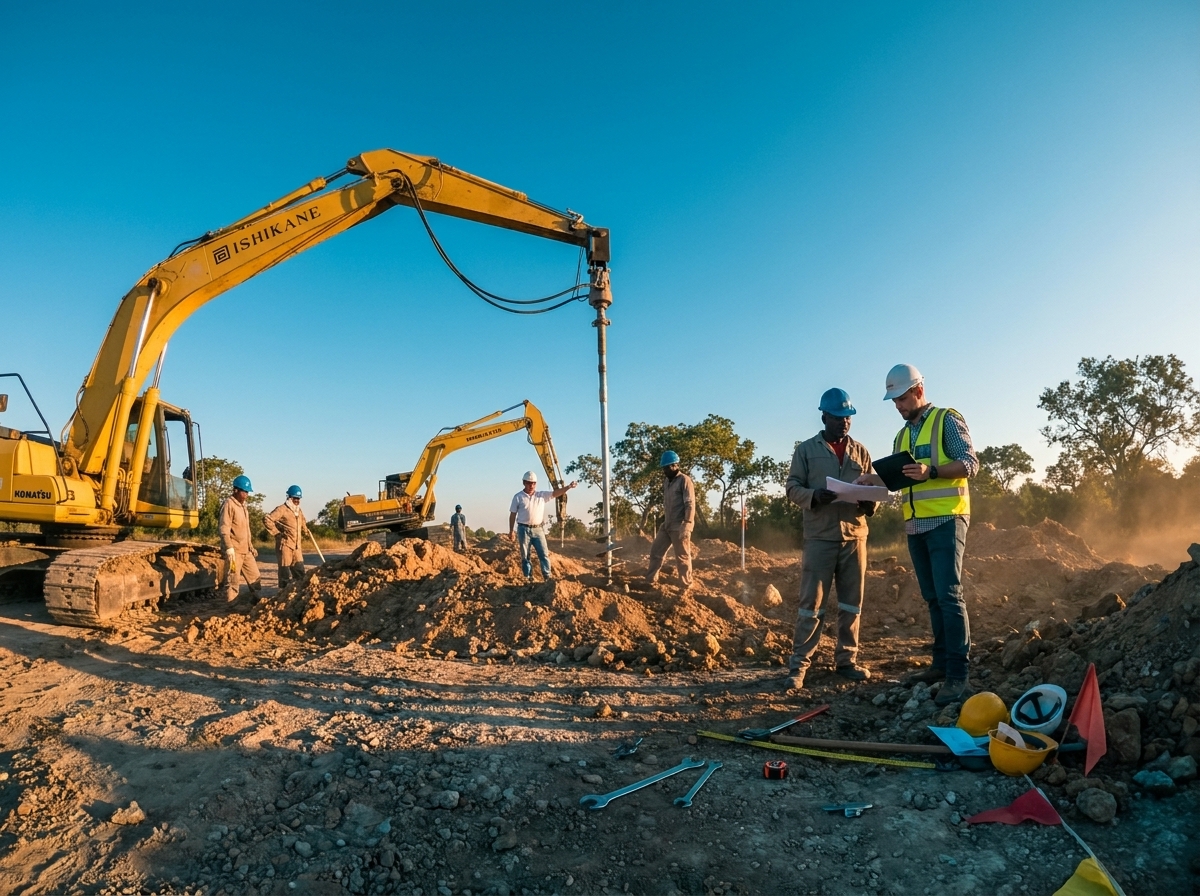
Stability is just one part of the equation. You also need to ensure your piles stand the test of time. Durability and corrosion resistance are critical in extending the life of your foundation. These considerations protect your investment and ensure long-term performance.
AS 2159 Compliance and Standards
Compliance with AS 2159 ensures your project meets industry standards. This standard covers durability requirements and provides guidelines for testing and installation. Adhering to these standards minimizes risks and supports project success. It also provides peace of mind, knowing your foundation meets rigorous benchmarks.
AS 2159 outlines the requirements for designing and installing helical piles in Australia. It includes testing protocols and material specifications. Following these guidelines ensures your foundation is safe and reliable. For more details on compliance, refer to this Helical Piles Design Guide.
Corrosion Protection Systems
Corrosion can severely impact the lifespan of helical piles. Implementing effective protection systems is essential. Coatings, galvanization, and cathodic protection are common methods. These systems shield your piles from environmental damage, ensuring long-term durability.
Corrosion protection starts with choosing the right materials. Galvanized steel is a popular choice for its resistance to rust. Additional coatings can provide further protection. Cathodic systems are used in highly corrosive environments. Each method has its benefits, and selecting the right one depends on site conditions.
Risk Management and Quality Assurance
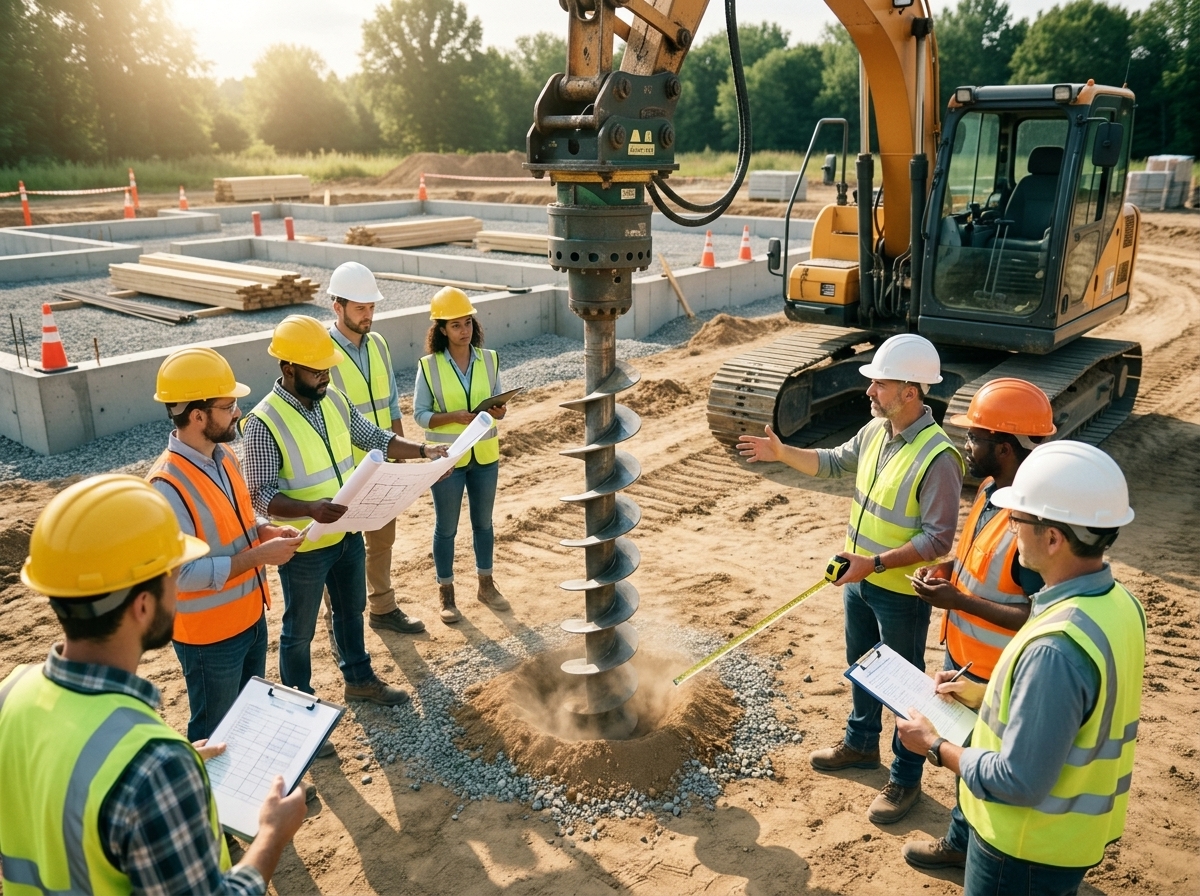
Beyond design, managing risk and ensuring quality are key to project success. These processes give you control over potential issues, ensuring your project stays on track. They also help maintain high standards, delivering reliable results.
QA and Acceptance Criteria
Quality assurance involves setting and meeting specific criteria. These benchmarks ensure each pile meets the necessary standards. QA processes include testing, inspection, and documentation. They provide a framework for consistency and reliability.
Acceptance criteria are defined before installation begins. These benchmarks guide the QA process, setting clear goals for each stage. Regular testing and inspection ensure compliance with these criteria. This step is crucial in maintaining quality and preventing costly rework.
Risk Mitigation Strategies
Every project faces risks. Identifying and mitigating these risks is essential for success. Strategies include thorough planning, regular monitoring, and contingency planning. These approaches help you manage potential issues before they become problems.
Effective risk management involves anticipating challenges and preparing solutions. Regular site assessments and progress reviews are vital. Contingency plans provide fallback options, keeping your project on course. By managing risks proactively, you ensure smooth project execution.
In conclusion, designing with helical piles involves precise planning and execution. From geotechnical analysis to corrosion management, each step plays a critical role in project success. By following these guidelines, you ensure your foundation is both strong and durable, ready to support Australia’s challenging sites. For further reading, check out this Helical Pile Foundation Guide.
See why choosing the right foundation matters. Explore our solutions now.