Traditional concrete footings often slow projects down with excavation and curing delays. When you need compliant, fast, low-disturbance foundations in Australia, the choice matters. This guide breaks down how to evaluate foundation systems against AS 2159 standards, showing where helical piles deliver quicker installation with less site impact. Your next project could benefit from a more predictable, efficient foundation approach. Learn more about foundation options.
Evaluating Foundation Systems in Australia
Choosing the right foundation system can make or break your project timeline and budget. In this section, we’ll explore the basics of compliance and quality control, ensuring you make informed decisions.
Compliance With Australian Standards
Meeting Australian standards in construction is crucial for safety and reliability. When it comes to foundation systems, AS 2159 is the benchmark. This standard ensures that your chosen system can handle the load requirements safely. It covers aspects like design, materials, and installation processes. For engineers and project managers, ensuring compliance means peace of mind.
Importance of AS 2159 for Projects
AS 2159 is more than just a set of guidelines. It provides a framework that helps in assessing soil conditions and choosing the appropriate foundation design. Compliance with these standards minimizes risks and ensures durability. By following these guidelines, you also align with industry best practices, reducing the likelihood of costly errors or rework.
Ensuring Quality Control in Piling
Quality control in piling involves continuous monitoring and verification. This includes checking alignment, dimensions, and load capacities. Regular inspections ensure that all elements meet the required standards. By maintaining strict quality control, projects can avoid delays and ensure structural integrity. It’s about being proactive rather than reactive.
Benefits of Helical Piles
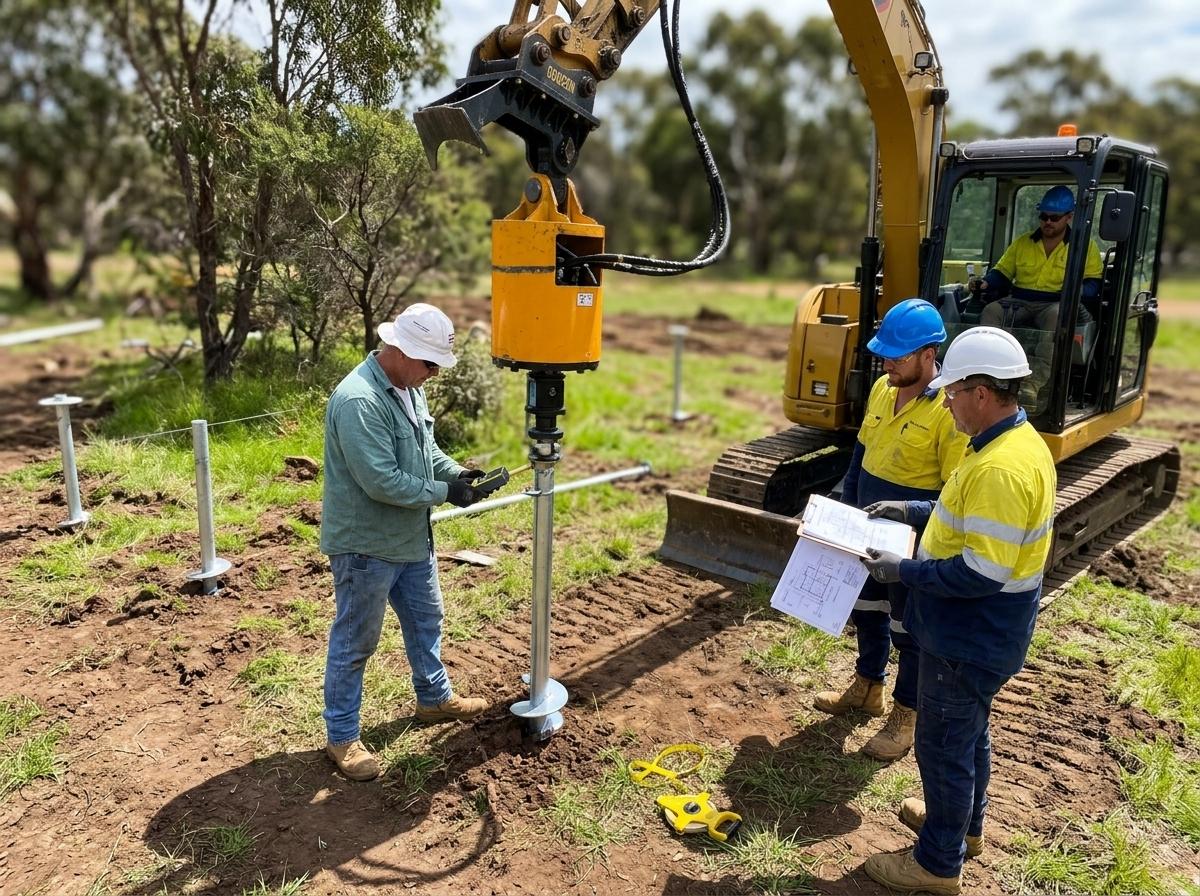
Now let’s shift focus to the advantages of helical piles over traditional concrete footings. You’ll see how they offer speed, efficiency, and minimal disturbance.
Comparing Helical Piles vs Concrete Footings
Helical piles offer significant advantages over concrete footings. They are quicker to install, often cutting project timelines by up to 50% compared to concrete. Unlike concrete, helical piles require no cure time, allowing for immediate buildability. This means fewer delays and a faster path to project completion. The process involves less excavation and machinery, reducing labor by 40%.
Installation Time and Low Disturbance
Speed and minimal site disturbance are key benefits of helical piles. Their installation is quick and requires less heavy equipment, which means fewer disruptions. This is especially beneficial in sensitive environments or populated areas. The ability to install in all weather conditions further underscores their practicality. You can keep projects on track without worrying about weather-related delays.
Load Testing and Torque Correlation
One of the standout features of helical piles is the ability to verify load capacity through torque correlation. During installation, torque measurements offer real-time data on the pile’s capacity. This method ensures that each pile meets the required load specifications, providing an added layer of assurance. For engineers, this translates to confidence in the foundation’s reliability.
Addressing Site-Specific Challenges
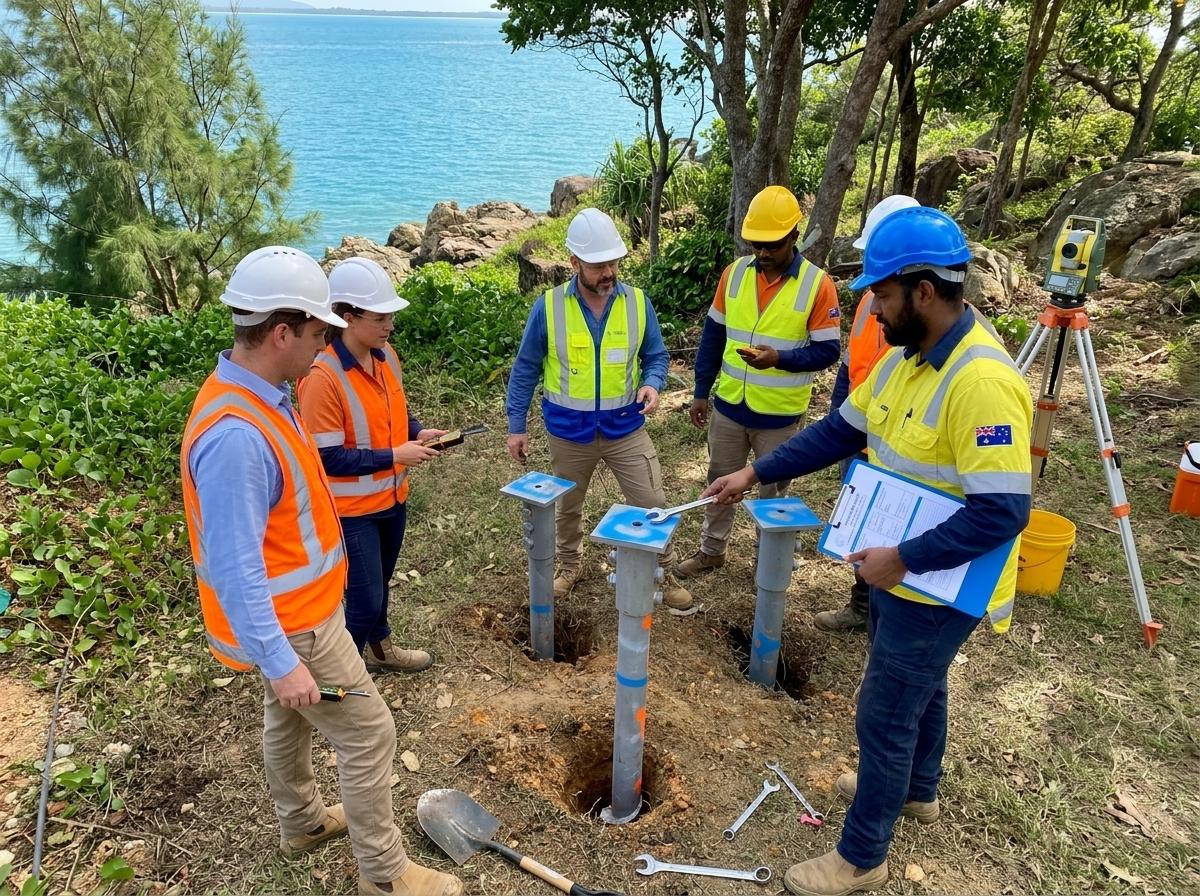
Moving forward, we address how helical piles adapt to specific site challenges, such as different soil types and remote locations.
Solutions for Reactive Clay and Coastal Sands
Reactive clay and coastal sands pose significant challenges. These soils can shift and change with moisture levels, impacting foundation stability. Helical piles are well-suited to these conditions due to their adaptability and secure anchoring. They provide a stable solution, reducing risks associated with soil movement. This adaptability makes them a preferred choice in diverse Australian landscapes.
Rock Socket Alternatives and Remote Sites
In areas where traditional rock sockets are impractical, helical piles offer a viable alternative. Their ability to be installed in remote or hard-to-reach locations gives them a distinct advantage. Smaller, more mobile equipment used for helical pile installation ensures access to tight or isolated areas, making them ideal for challenging sites.
Environmental Impact and Project Efficiency
Helical piles boast a lower environmental footprint. Their installation involves minimal excavation, which reduces soil disruption and preserves the natural landscape. Additionally, the efficiency of installation ensures that projects meet environmental compliance without sacrificing speed or safety. This balance between efficiency and environmental care is crucial for modern construction projects.
Frequently Asked Questions
What are helical piles?
Helical piles are steel shafts with helical plates that transfer loads to deeper soil layers. They are screwed into the ground using hydraulic equipment, providing a stable foundation option.
Why choose helical piles over concrete footings?
Helical piles offer faster installation times, require no curing, and cause less site disturbance. They are ideal for projects with tight timelines and sensitive environments.
How do helical piles perform in challenging soils?
Helical piles are well-suited for reactive clay and coastal sands due to their adaptable design. They provide stable support where traditional foundations struggle with soil movement.
What is the importance of torque correlation in helical piles?
Torque correlation provides real-time load capacity verification during installation. This ensures each pile meets project specifications, enhancing reliability and safety.
Can helical piles be used in remote sites?
Yes, helical piles are ideal for remote sites due to their minimal equipment requirements and ease of installation. They offer practical solutions where traditional methods face logistical challenges.
Set your foundation success criteria with trusted standards.