Traditional concrete footings often slow infrastructure projects with long curing times and extensive excavation. If you’re managing foundations on reactive clays, coastal sands, or hard rock, delays and site disruption add costly risks. Helical piles provide a faster, lower-disturbance alternative engineered for Australian soils, delivering immediate load capacity verified through torque correlation. This article explains how choosing screw pile foundations can cut installation time by up to 50%, ensuring compliance with AS 2159 and reliable performance across diverse conditions.
Helical Piles in Australian Infrastructure
Faster Foundation Delivery
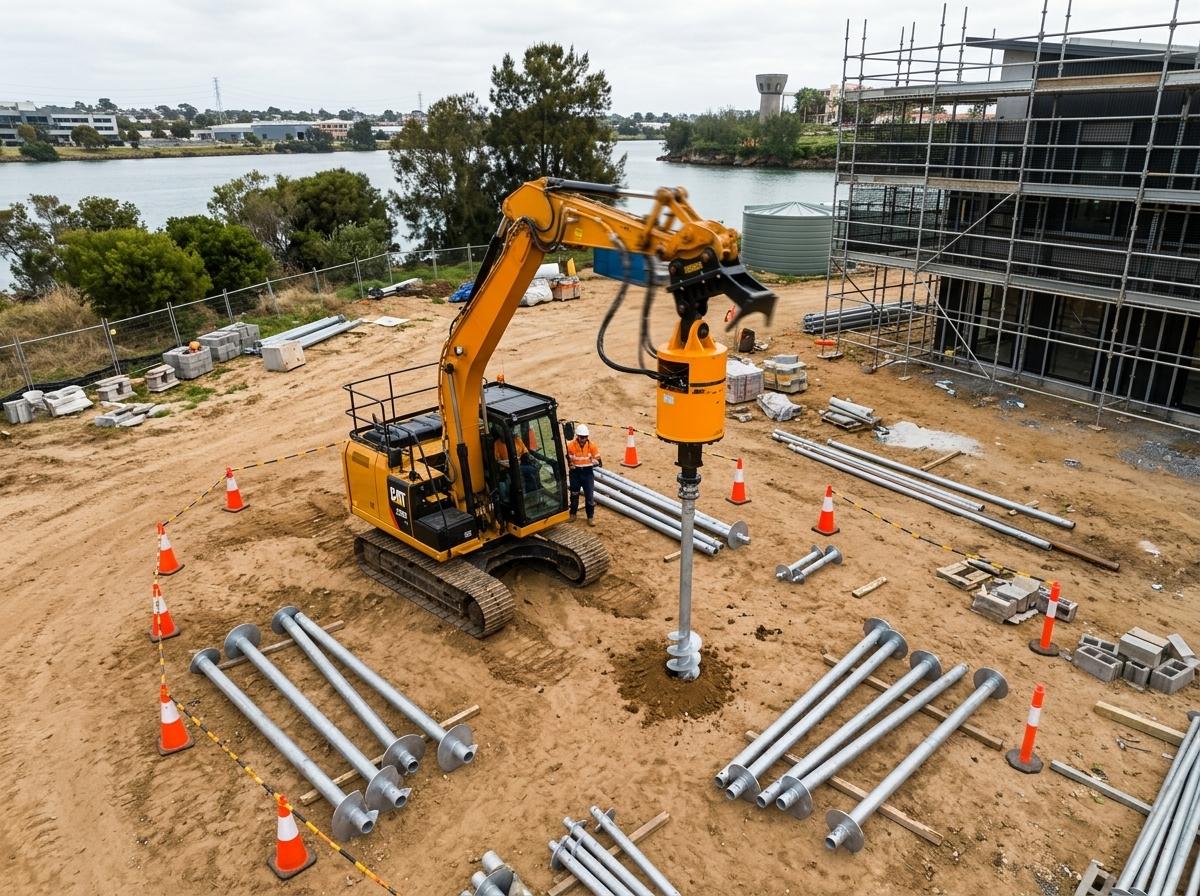
When you’re faced with tight project timelines, the installation speed of helical piles can be a game changer. Helical piles can be installed up to 50% faster than traditional concrete footings. This accelerated process reduces labor and avoids the lengthy curing times required by concrete. With helical piles, the construction can progress immediately after installation, keeping projects on track and minimizing downtime.
Minimal Excavation and Spoil
One significant advantage of helical piles is their minimal disturbance to the site. Traditional foundations often require extensive excavation, leading to spoil management challenges. In contrast, helical piles screw directly into the ground, leaving little to no spoil. This method reduces the environmental impact and is particularly beneficial on sites that are ecologically sensitive or have limited access.
Immediate Load Capacity
Helical piles offer immediate load-bearing capabilities. This feature is especially crucial in projects where time is of the essence. By skipping the waiting period for concrete to cure, helical piles allow structures to be built and loaded right after installation. This efficiency means fewer delays and a smoother project flow.
Engineering Principles and Compliance
Torque-to-Capacity Verification
An essential component of helical pile installation is torque-to-capacity verification. This process ensures each pile meets the required load standards. By measuring the installation torque, engineers can verify the pile’s capacity in real-time, providing confidence in the foundation’s performance. This method is a practical quality assurance measure, offering a tangible way to confirm the suitability of the foundation.
AS 2159 Standards
Compliance with Australian Standards is critical for any construction project. Helical piles meet the requirements set out in AS 2159, which governs the design and installation of piling systems. This compliance ensures that helical piles not only fit the engineering specifications but also adhere to safety and performance standards expected in Australia.
Performance in Varied Soils
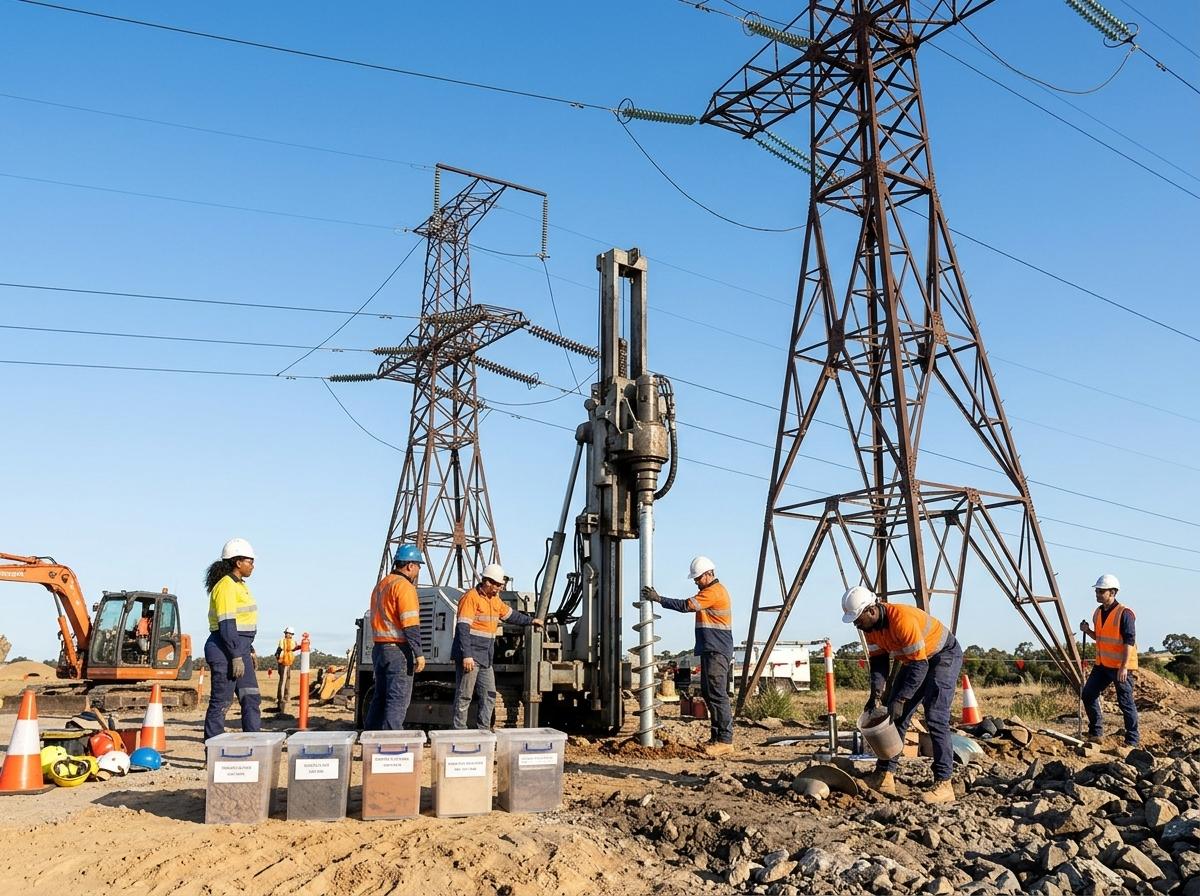
Helical piles are engineered to perform across a range of soil conditions, including reactive clays and coastal sands. Their versatility makes them suitable for many challenging environments where traditional foundations might struggle. By adapting to the soil’s characteristics, helical piles provide reliable support, reducing the risk of foundation failure.
Comparing Foundation Types
Screw Piles vs Concrete Footings
When comparing screw piles to concrete footings, several key differences emerge. Screw piles offer faster installation times, reduced site disturbance, and immediate load capacity. In contrast, concrete footings require more preparation and curing time, leading to potential delays. The choice between these options often hinges on project timelines, site conditions, and environmental considerations.
Environmental Impact Considerations
The environmental benefits of helical piles are substantial. With minimal excavation and spoil, helical piles reduce the disruption to the natural surroundings. This is particularly important for projects in sensitive ecological areas. Additionally, the smaller equipment used for installation leads to less noise and pollution compared to traditional methods.
Installation on Remote Sites
For projects in remote or hard-to-reach locations, helical piles present a practical solution. Their installation requires less heavy machinery, making them ideal for sites with limited access. This capability not only enhances the feasibility of construction in isolated areas but also reduces logistical challenges and costs associated with transporting large equipment.
Frequently Asked Questions
What are the benefits of using helical piles over traditional concrete footings?
Helical piles offer faster installation, reduced site disturbance, and immediate load capacity. They require less equipment and have minimal environmental impact, making them ideal for sensitive or remote sites.
How do helical piles comply with Australian Standards?
Helical piles adhere to AS 2159, ensuring they meet design and installation requirements for safety and performance in Australian conditions.
Can helical piles be used in all soil types?
While helical piles are versatile and perform well in many soil types, they are particularly suited for reactive clays, coastal sands, and variable ground conditions. They may not be suitable for solid rock without pre-drilling.
What makes helical piles environmentally friendly?
Helical piles minimize excavation and spoil, reducing environmental disruption. Their installation process uses smaller equipment, leading to less noise and pollution compared to traditional methods.
Are helical piles suitable for remote site construction?
Yes, helical piles are ideal for remote sites due to their minimal equipment requirements and efficient installation process, which reduces logistical challenges and costs.