Avoiding Foundation Pitfalls in Australian Infrastructure: How Helical Piles De‑Risk Your Program
You’ve faced foundation delays and costly redesigns on Australian infrastructure projects before. Soil variability and environmental restrictions can stall schedules and inflate budgets fast. Using helical piles Australia offers a way to cut risk, speed installation, and maintain compliance with AS 2159 standards. This post explains how patented screw pile technology tackles common challenges in solar farm foundations, transmission line footings, and pipeline anchors—helping you deliver projects on time and on budget.
Common Foundation Challenges in Australia
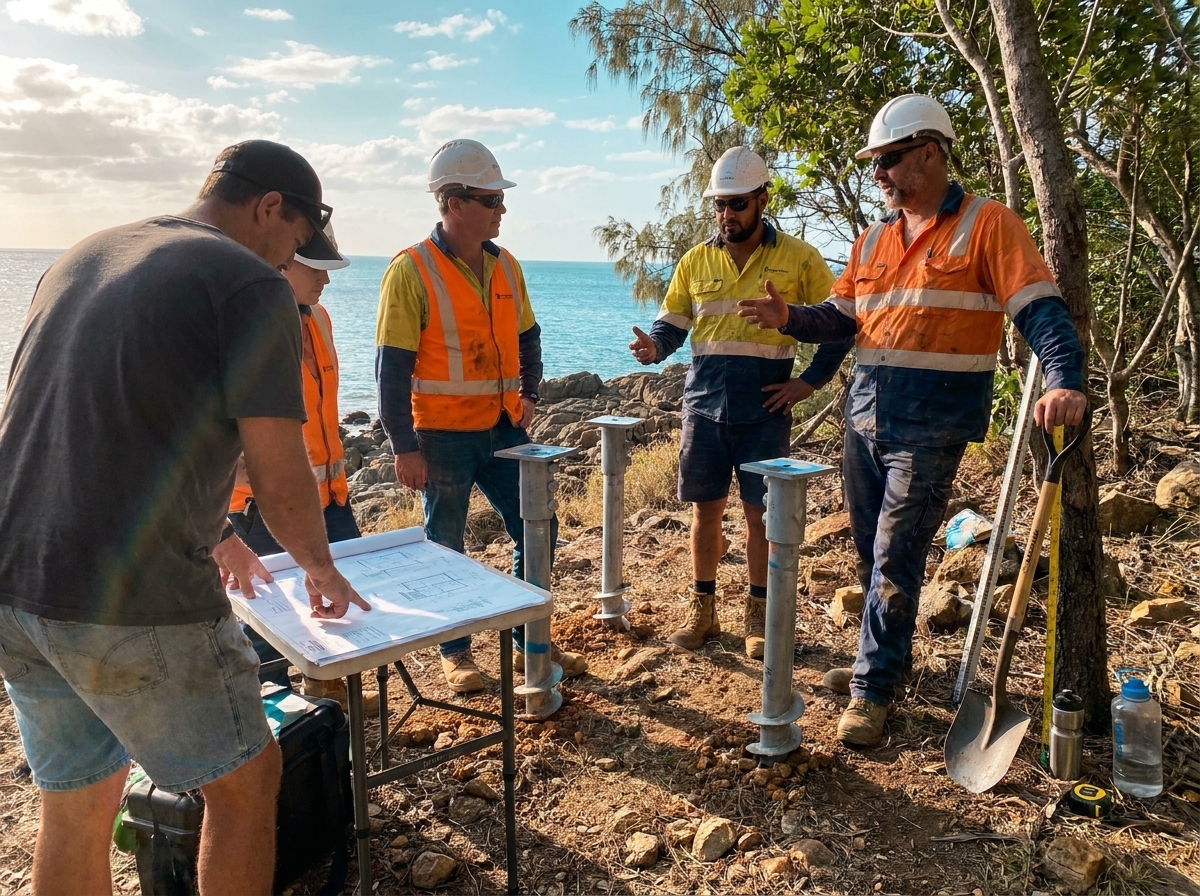
Understanding the typical challenges can help you better prepare for your infrastructure projects. Let’s explore the main issues that can complicate foundation work in Australia.
Soil Variability and Reactive Clays
Soil conditions can vary dramatically across Australia, presenting significant challenges for foundation work. Reactive clays, in particular, are a major concern. These clays expand and contract with moisture changes, causing instability in traditional foundations. When dealing with such soils, the risk of structural movement increases, potentially leading to costly repairs.
In regions with reactive clay, the soil’s ability to support weight can change dramatically with weather conditions. This can compromise the integrity of foundations over time. Screw piles offer a solution here. Their design allows them to anchor deeply into stable soil layers, reducing the impact of surface-level fluctuations. This ensures a more stable and reliable base for your projects.
Environmental Impact Concerns
Construction projects often face scrutiny due to their environmental impact. Traditional foundation methods can disrupt local ecosystems, especially when extensive excavation is needed. In sensitive areas, minimizing environmental damage is crucial to maintaining compliance with regulations and community expectations.
Helical piles present a low-impact alternative. Their installation process requires minimal ground disturbance, preserving the natural landscape. This feature makes them an ideal choice for projects in protected areas or near water bodies. Furthermore, by reducing the need for large machinery and excavation, screw piles help lower the carbon footprint of your projects.
Project Delays and Cost Overruns
Delays in construction are not just frustrating—they can be costly. Many factors contribute to these setbacks, including unpredictable soil conditions and environmental regulations. When using traditional methods, unexpected issues can cause timelines to stretch, inflating budgets and causing logistical headaches.
Helical piles can significantly reduce these risks. Their rapid installation process saves time and minimizes the chance of schedule overruns. Unlike concrete, which requires curing time, screw piles can be loaded immediately after installation. This means you can keep your project moving forward without waiting for foundations to set.
Benefits of Helical Piles Australia
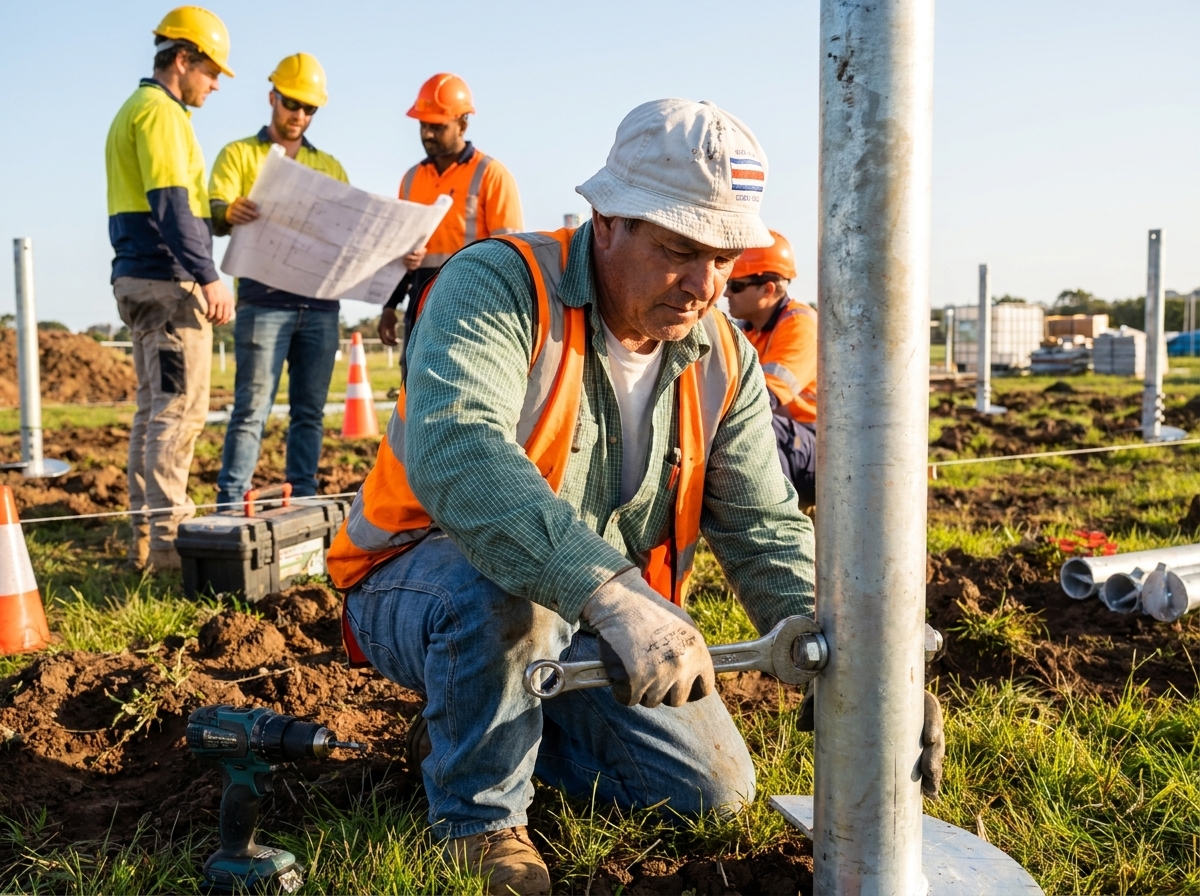
The advantages of using helical piles extend beyond just overcoming challenges. They offer specific benefits that can enhance the efficiency and effectiveness of your projects.
Rapid Installation and Zero Spoil
Speed is a critical factor in construction, and helical piles excel in this area. Their installation is swift, often completed in minutes rather than days. This rapid process is not only time-efficient but also cost-effective, reducing labor and machinery needs.
Another key advantage is the zero spoil feature. Traditional methods can produce significant waste from excavation, requiring disposal and additional costs. Helical piles generate no spoil, eliminating the need for waste management and preserving the site’s natural condition. This aspect is especially beneficial in urban areas where space for spoil disposal is limited.
Noise and Vibration Free Piling
Construction noise can be a significant concern, particularly in populated areas. Traditional foundation methods often involve noisy machinery and disruptive processes. Helical piles offer a quieter alternative, causing minimal noise during installation. This makes them suitable for projects in noise-sensitive zones, such as near schools or hospitals.
Moreover, helical piles cause little to no vibration, protecting nearby structures from potential damage. This feature is crucial when working close to existing buildings or in areas with strict vibration regulations. By choosing helical piles, you ensure that your project proceeds smoothly without disturbing the surrounding environment.
Immediate Load-Readiness and QA
Once installed, helical piles are ready to bear loads immediately. This advantage eliminates wait times associated with concrete curing, allowing construction to proceed without delay. This immediate readiness accelerates project timelines and enhances efficiency.
Quality assurance is another area where helical piles shine. Their installation process allows for real-time monitoring, ensuring compliance with design specifications. By tracking torque during installation, you can verify that each pile meets the required standards for strength and stability. This feature provides peace of mind and confidence in the reliability of your foundations.
How Helical Piles De-Risk Projects
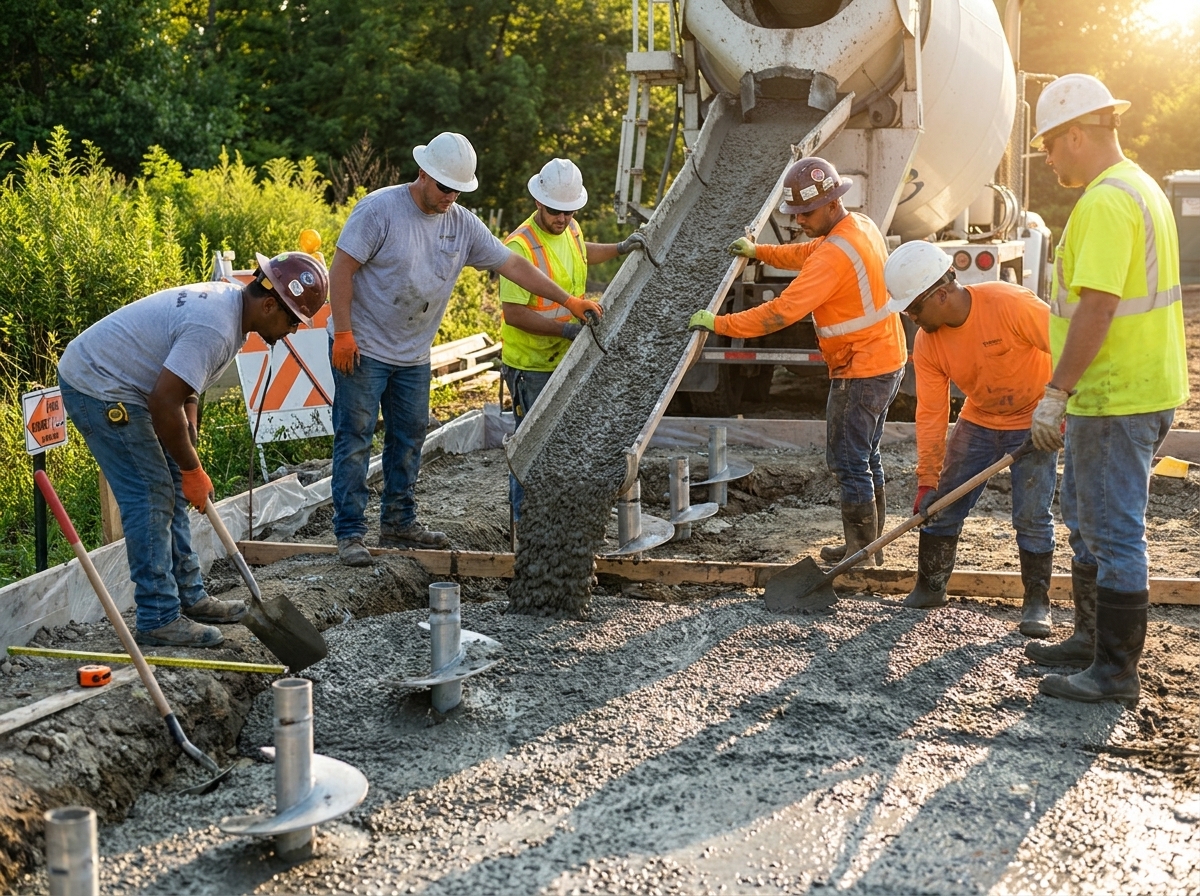
Using helical piles is not just about overcoming challenges; it’s about actively reducing risks associated with infrastructure projects.
Compliance with AS 2159 Standards
Adhering to national standards is essential for any construction project. Helical piles meet the stringent requirements of AS 2159, ensuring that your foundations are safe and reliable. This compliance provides reassurance to stakeholders and supports the long-term success of your project.
The standards cover various aspects, including design, material specifications, and installation procedures. By following these guidelines, you ensure that your project is built to last, reducing the likelihood of future issues. This commitment to quality and safety sets the foundation for successful project delivery.
Enhancing Uplift and Lateral Capacity
Helical piles are engineered to handle significant uplift and lateral forces. This makes them ideal for projects where stability is paramount, such as in flood-prone areas or locations with high winds. The design of screw piles allows them to resist these forces effectively, providing a stable base for your structures.
In addition to their strength, helical piles offer flexibility in design. They can be customized to meet specific project needs, ensuring optimal performance in various conditions. Whether dealing with high water tables or challenging soil types, their adaptability enhances the resilience of your foundations.
Effective Risk Mitigation and Environmental Solutions
Risk mitigation is a crucial aspect of project management. Helical piles offer a proactive approach to managing potential issues, reducing the likelihood of delays and cost overruns. By choosing screw piles, you minimize the risks associated with soil variability and environmental impact.
Furthermore, helical piles support sustainable construction practices. Their low-impact installation preserves natural habitats, and their durability ensures long-lasting performance. By prioritizing environmentally friendly solutions, you contribute to the protection of local ecosystems and align with community values.
For more information, consider exploring this guide on helical piles to deepen your understanding of their applications.
Learn how to avoid costly foundation failures with expert insights.