Why Traditional Foundations Increase Risk on Solar, Pipeline, and Transmission Projects—and How Helical Piles Eliminate It
Traditional foundations often struggle with Australia’s reactive soils, causing costly delays and structural risks on solar, pipeline, and transmission projects. You face challenges like expansive clays and collapsible sands that weaken support and increase uncertainty. Helical piles offer a faster, torque-monitored alternative that meets AS 2159 compliance while reducing site disturbance and foundation risk. Read on to see how this engineered solution can secure your project’s success. For more in-depth insights, you can explore related challenges in solar farm design here.
Risks of Traditional Foundations
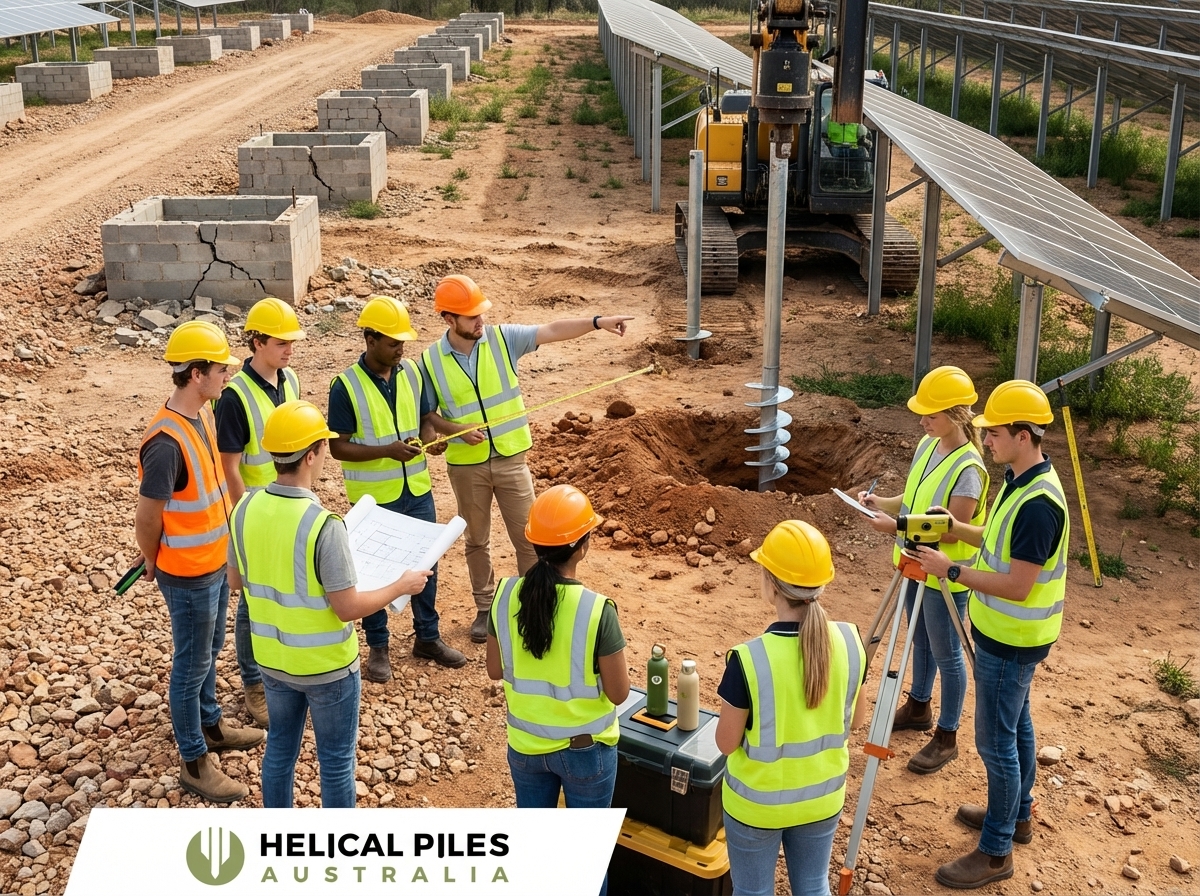
Switching from traditional foundations is a game-changer. Let’s explore why sticking to old methods might cost you more than you think.
Challenges with Australian Soil
Australia’s soil presents unique challenges. Expansive clays and collapsible sands are common. These conditions can compromise traditional foundations. Why? Because traditional methods often require extensive excavation and curing time. This can be problematic in areas with reactive soils. The unpredictability of soil behavior can lead you to face unexpected structural issues. For example, when clay soils expand, they can exert pressure on foundations, causing cracks.
Moreover, sandy soils might compact under weight, leading to settlement issues. This can disrupt the stability of your project. In contrast, helical piles are designed to handle these conditions. They screw into the ground, providing stability without extensive site disruption. This method minimizes risks linked to soil type. It also reduces the need for post-installation adjustments. For a deeper dive into the geotechnical risks of solar projects, check out this article.
Environmental and Commercial Risks
Site disturbance is a major concern. Traditional methods often mean heavy machinery and extensive digging. This can lead to environmental degradation. For example, large-scale## Risks of Traditional Foundations
Traditional foundation methods bring several challenges that can impact your project. These risks are particularly evident in regions with difficult soil conditions, like Australia.
Challenges with Australian Soil
Australia’s unique landscape presents a mix of soil types, including expansive clays and collapsible sands. These soils can challenge the stability and integrity of traditional foundations. When you build on expansive clays, the soil can swell and shrink with moisture changes. This movement can lead to cracks and damage in your structures. Collapsible sands, on the other hand, lose their strength when wet, raising the risk of sinking or shifting foundations.
Reactive soils are another concern, which can lead to sudden and unpredictable shifts. As highlighted by experts in the field, understanding these soil dynamics is crucial for any infrastructure project in Australia. Without the right foundation solution, you risk structural failures and costly repairs.
Environmental and Commercial Risks
Using traditional methods often requires extensive excavation and concrete pouring. This can disturb the local environment and increase your carbon footprint. Additionally, the longer setup times and the need for heavy machinery can inflate costs and delay your project. Projects near sensitive ecosystems face scrutiny, and any mishaps can lead to fines and reputational damage.
You may think conventional methods are cheaper but factor in the long-term costs. Maintenance, potential repairs, and environmental mitigation can significantly impact your budget. Learn more about balancing environmental concerns with infrastructure needs.
Impact on Project Timelines
Time is money, and traditional foundations can stretch your timelines. Concrete needs time to cure, which can delay subsequent construction phases. Weather conditions can also halt progress, as rain or extreme temperatures interfere with concrete setting.
What’s worse, unexpected soil issues can lead to further delays. You might need to halt operations to reassess or modify your foundation strategy, further affecting your schedule. Fast-tracking isn’t often an option with these traditional methods, potentially setting back your project’s completion date.
Benefits of Helical Piles
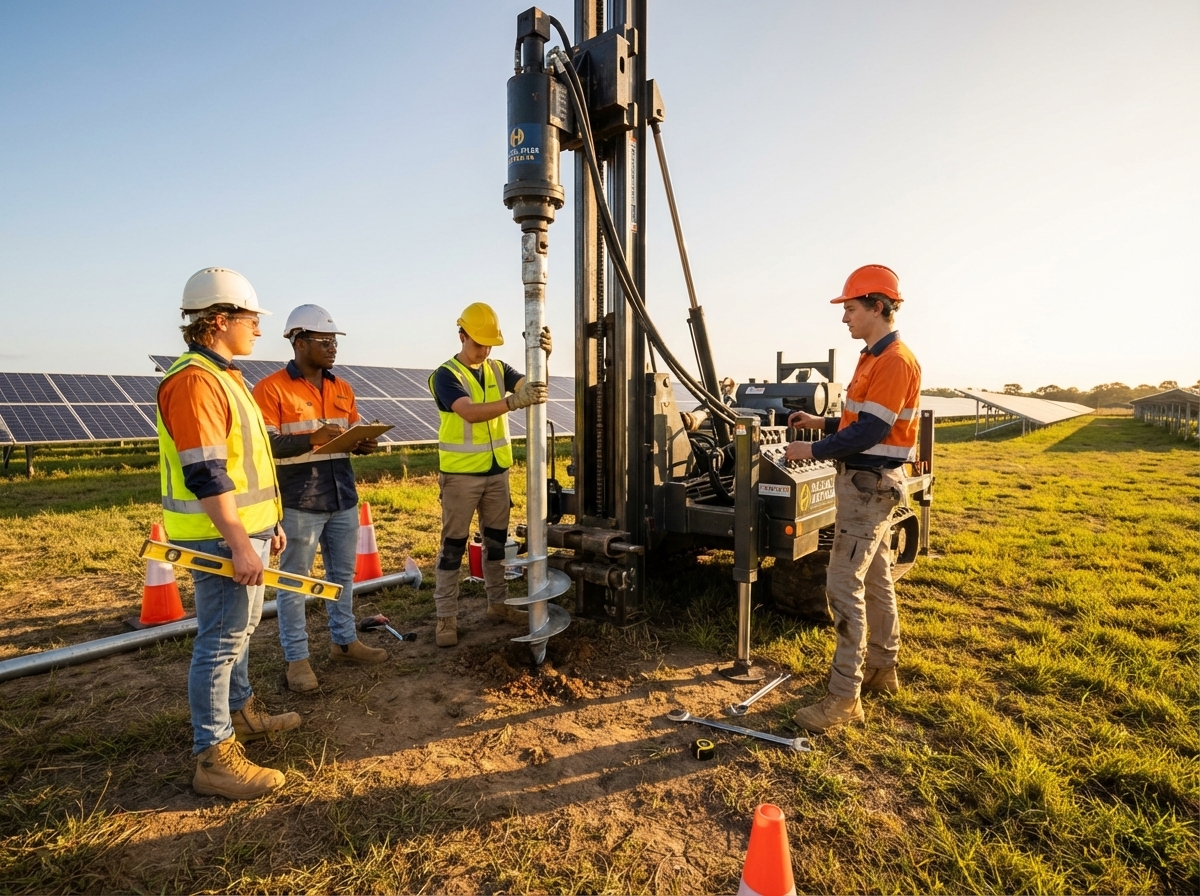
Helical piles offer a robust alternative to traditional foundations. They are designed to tackle the challenges posed by difficult soil conditions, ensuring your project’s success.
Faster Installation and Less Disturbance
One of the standout benefits of helical piles is their rapid installation. You don’t need to wait for any curing, which means you can move on to the next stage almost immediately. This quick setup is ideal for projects with tight deadlines. Because they are installed by screwing into the ground, they cause minimal site disturbance. There’s no need for large-scale excavation or heavy machinery, which can save you time and money.
In addition to speed, the environmental impact is minimal. Helical piles leave the surrounding area mostly untouched, which is crucial in sensitive or protected zones. They offer a more sustainable option for your project needs. For a comprehensive understanding of their environmental benefits, check out this case study.
High Capacity and Durability
Helical piles are engineered to offer high load capacity. They can support significant weight and resist various forces like uplift and lateral movement. This is crucial for projects like solar farms and pipelines, where stability is non-negotiable. These piles are also corrosion-resistant, ensuring long-term durability. They can withstand harsh environmental conditions, making them suitable for remote or coastal installations.
Using helical piles means you can trust your foundation to last. Their design allows for easy adjustments or extensions if your project needs change. This adaptability is not something you get with traditional foundations.
Compliance and Monitoring Standards
Meeting regulatory standards is essential. Helical piles comply with AS 2159, ensuring your project meets all necessary guidelines. The torque monitoring during installation provides real-time data on load capacity and ensures quality control at every step. This monitoring aligns with best practices in the industry, providing peace of mind that your foundation is secure.
Helical piles reduce the risk of non-compliance and the associated penalties. They offer a smart solution that aligns with regulatory demands, ensuring a seamless project execution. For more on overcoming barriers in infrastructure, read this informative article.
Helical Piles in Infrastructure Projects
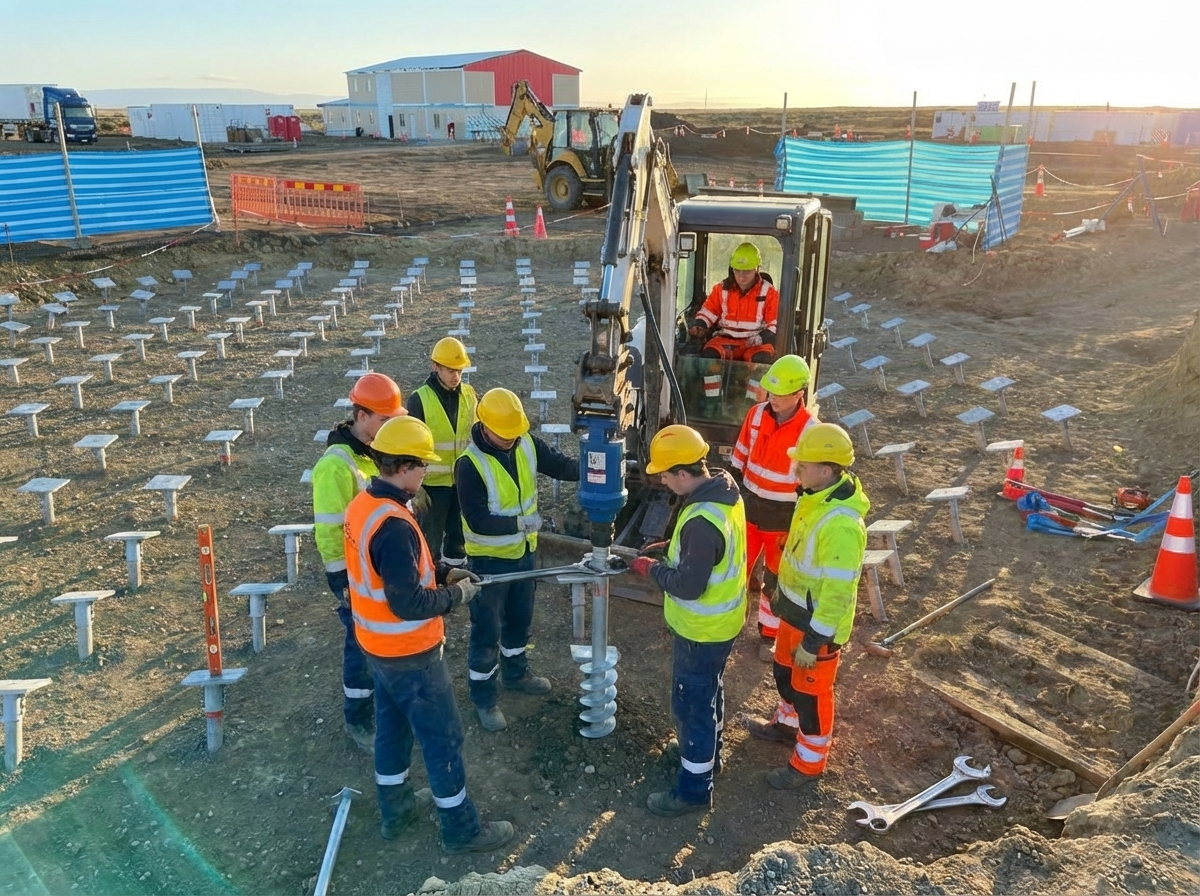
Helical piles are versatile and can be tailored to meet the specific needs of your infrastructure projects. They are particularly useful in solar, pipeline, and transmission line projects.
Solar Farm Foundation Solutions
Solar farms require stable foundations to support panels over large areas. Helical piles provide the necessary support while reducing the time and cost involved in installation. Their adaptability allows them to cater to different terrains, including uneven and rocky ground. You can achieve a lower carbon footprint since these piles disturb the site less and require fewer resources.
Moreover, the rapid setup of helical piles means you can expedite energy production. Faster installation means quicker ROI, which is crucial in the competitive renewable energy market. Helical piles offer a low-carbon foundation solution that aligns with sustainability goals.
Pipeline Supports and Anchoring
Pipelines stretch over long distances and traverse various soil types. Here, helical piles offer corrosion protection and stability, essential for secure and lasting pipeline support. They handle soil shifts and provide lateral support, reducing the risk of leaks or structural failures. This durability ensures your pipeline stands resilient against environmental challenges.
Helical piles can be installed with minimal equipment, even in remote locations. This aspect reduces logistical complexities and ensures your project stays on track. For pipeline projects, they present a reliable and cost-effective support system.
Transmission Line Footings in Challenging Conditions
Transmission lines often require foundations in hard-to-reach or unstable areas. Helical piles excel in these conditions, providing strong footings with little environmental disruption. They reduce the need for large-scale earthworks, preserving natural habitats and reducing your project’s ecological impact.
The adaptability of helical piles means they can be adjusted to fit site-specific needs. You can ensure your transmission lines remain stable and secure, even in tough Australian soil conditions. This adaptability means savings on maintenance and repairs down the line.
Helical piles are setting a new standard in foundation solutions, offering speed, durability, and compliance. They provide a smart alternative to traditional methods, meeting the demands of modern infrastructure projects.
Learn how to avoid costly foundation failures with expert insights.