Common Foundation Challenges in Australian Infrastructure—and How Helical Piles Eliminate Them
Australian infrastructure projects often hit a wall with foundation challenges tied to expansive clays, reactive soils, and remote site hurdles. You know how these conditions can derail schedules and inflate costs. Helical piles Australia offers a fast, low-impact deep foundation solution that cuts program risk while meeting AS 2159 compliance and real-time torque monitoring standards. Let’s explore how these screw piles solve your toughest foundation problems efficiently and reliably. For more detailed insights, check out this guide.
Foundation Challenges in Australian Infrastructure
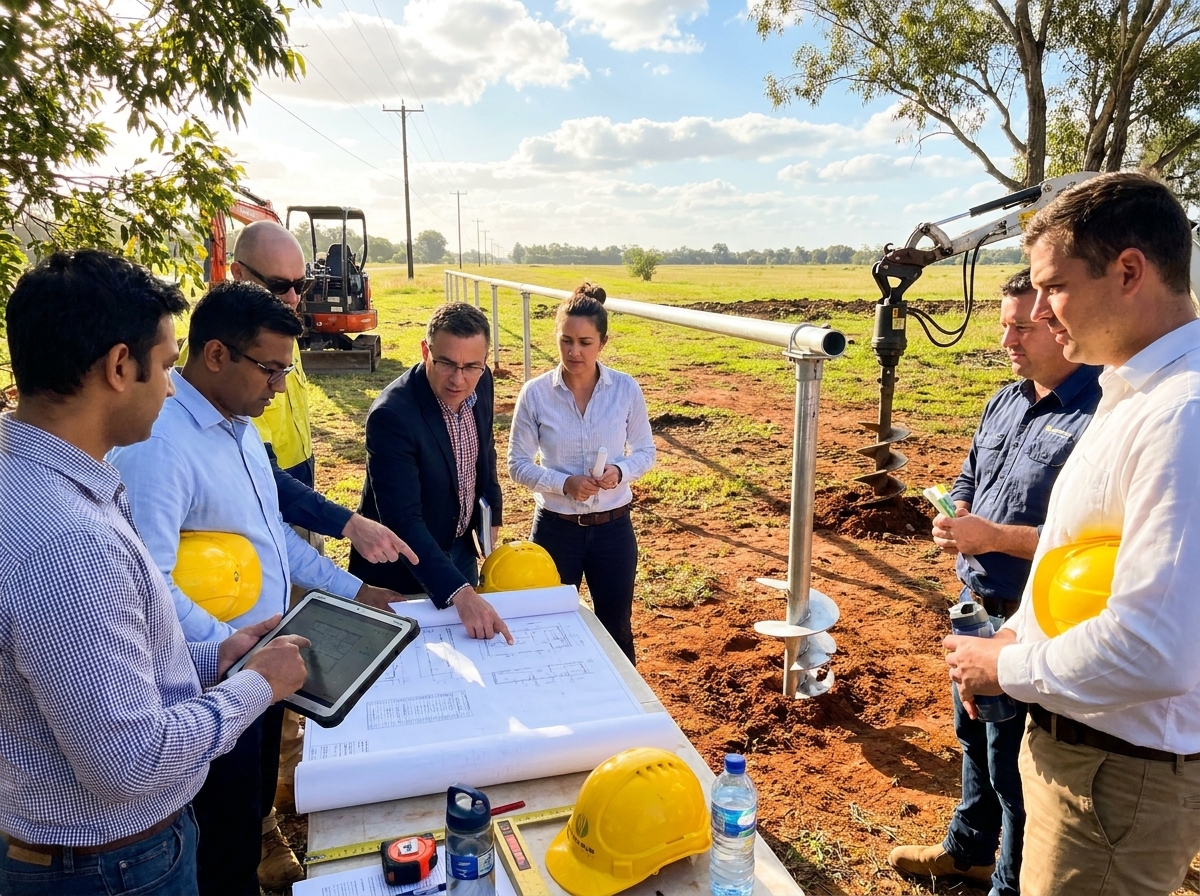
Foundation issues in Australia can disrupt your plans. These challenges often stem from tricky soil conditions. Let’s dive into the specifics you face.
Navigating Expansive Clays and Reactive Soils
Expansive clays can be a nightmare to deal with. These soils swell when wet and shrink when dry. This constant movement can crack your foundations. You may find your structures shifting unexpectedly. This instability often leads to costly repairs and delays.
Reactive soils pose similar threats. They react to moisture changes, causing swelling and shrinking. This can severely impact the structural integrity of your projects. It’s crucial to address these soil behaviors early in the planning stages. Considering these factors can save you from future headaches.
Addressing Collapsible Loess and Sands
Loess and sandy soils present unique challenges. These soils are loose and prone to settling. When disturbed, they can collapse under the weight of your structures. This can lead to uneven settling and structural damage.
Imagine starting your construction only to find your building sinking. That’s the risk with loess and sandy bases. Identifying these soils is crucial. Once identified, you can take steps to reinforce your foundation. This ensures long-term stability for your projects.
Overcoming Cyclonic Wind Region Impacts
Cyclonic winds are a force to reckon with. In Australia, these winds can reach speeds that threaten the stability of your structures. Your foundations must be robust enough to withstand these forces. Otherwise, you risk catastrophic failures.
It’s not just about the winds. The debris carried by these winds can also cause damage. Your foundation must anchor your structure firmly, protecting it from both the wind and flying debris. A well-prepared foundation is your first line of defense.
Helical Piles as a Solution
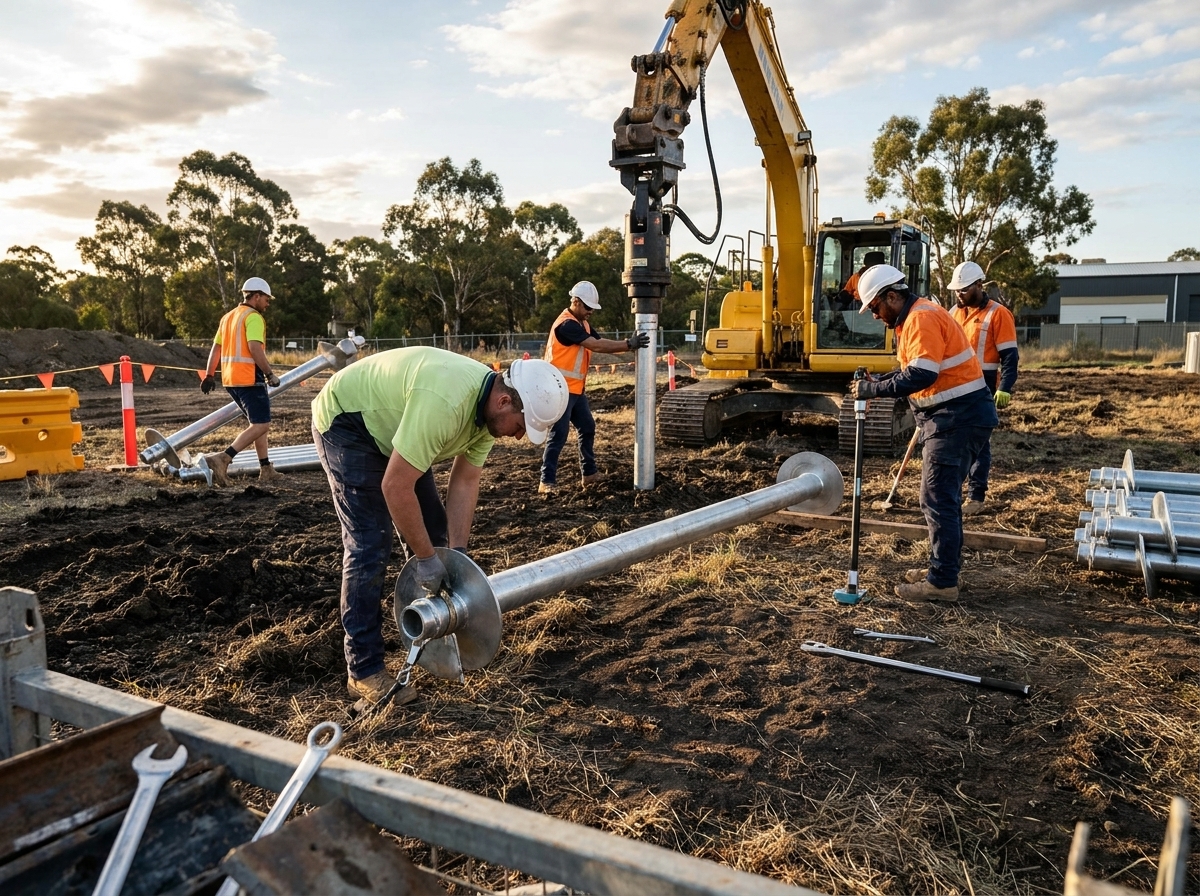
Helical piles offer a reliable solution to these challenges. They are designed to handle Australia’s unique conditions. Let’s explore how they meet these needs effectively.
Rapid Installation Piling with Real-Time Torque Monitoring
Speed is often essential in construction. Helical piles provide a quick installation process. Unlike traditional methods, you don’t need to wait for concrete to cure. This saves you precious time and reduces overall construction costs.
The real-time torque monitoring is another game-changer. It ensures every pile is installed with precision. This level of accuracy gives you confidence in the stability of your foundation. You can be sure that your structures are supported by well-anchored piles.
Corrosion Protection for Piles in Saline Soils
Saline soils can corrode metal quickly. This is a major concern for your foundation’s longevity. Helical piles come with corrosion protection. This feature extends the life of your foundation significantly.
Proper protection means less maintenance and fewer repairs over time. You can trust that your investment is safe from the harsh effects of saline environments. This peace of mind is invaluable for your project’s success.
Compliance with AS 2159 Standards
Compliance with standards is non-negotiable. Helical piles meet AS 2159 requirements. This ensures your project adheres to national safety and quality benchmarks. Compliance means your foundation system is both safe and reliable.
Meeting these standards also simplifies the approval process. You can avoid delays that come from non-compliance issues. This keeps your project on track and within budget.
Benefits of Helical Piles in Infrastructure Projects
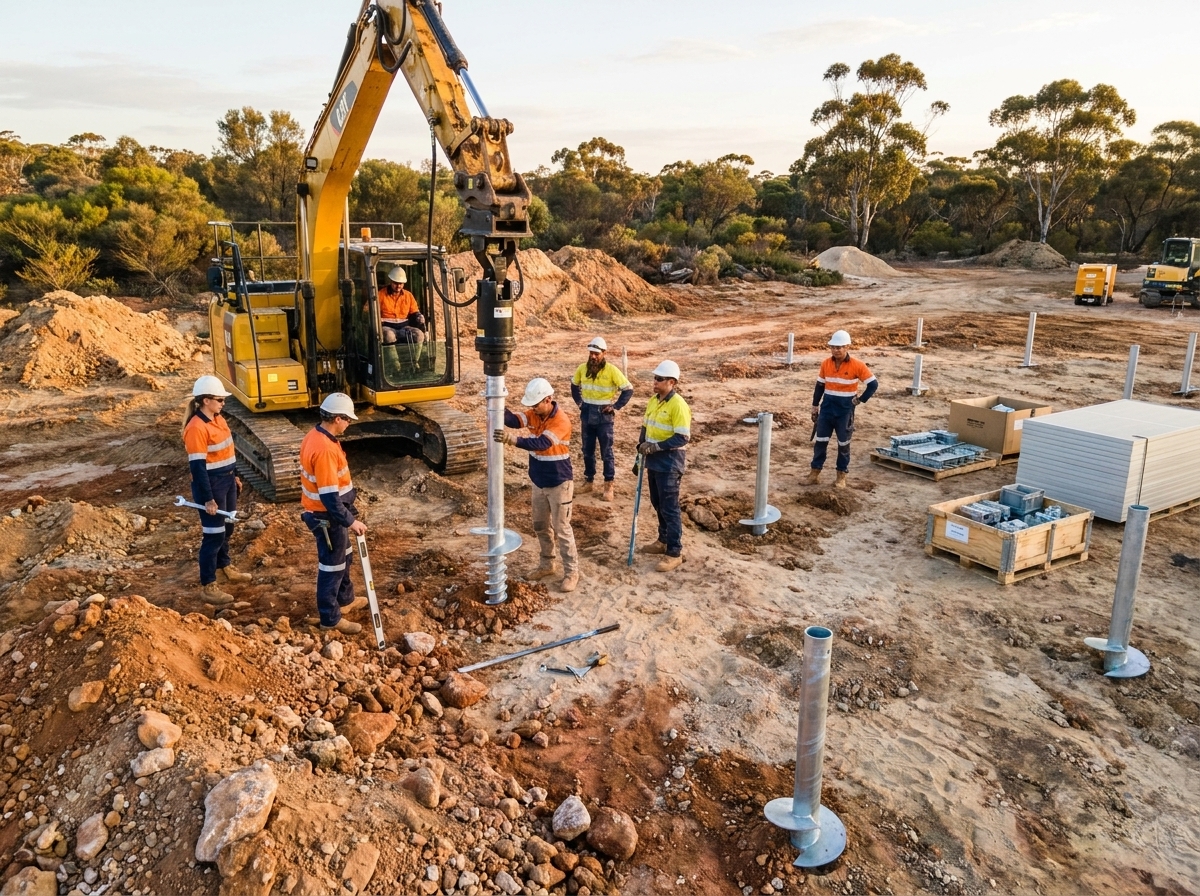
Helical piles offer distinct advantages for your projects. They are not just a solution, but a strategic asset in your construction arsenal.
Low Carbon Foundation Systems for Environmental Impact
Environmental impact is a growing concern. Helical piles offer a low-carbon option. Their installation disturbs less soil, reducing carbon emissions and preserving natural habitats.
This eco-friendly approach supports sustainable construction practices. It aligns with modern environmental standards, making your project more attractive to stakeholders concerned about sustainability.
Cost Efficiency in Remote Site Construction
Remote sites often pose logistical challenges. Transporting materials and equipment can be costly and time-consuming. Helical piles are lightweight and easy to transport. This reduces your logistical burdens.
Lower transport costs mean more budget for other critical areas. You can allocate resources more effectively, enhancing your project’s overall efficiency. This cost-efficiency is a substantial advantage in remote constructions.
Enhanced Stability for Solar Farm Foundations and Pipeline Supports
Solar farms and pipelines require stable foundations. Helical piles provide this stability. They resist lateral forces, ensuring your structures remain secure, even in harsh conditions.
This stability is crucial for long-term performance. For solar farms, it means optimal energy production. For pipelines, it ensures safe and reliable transport. Helical piles deliver the durability your infrastructure needs.
In conclusion, helical piles offer a comprehensive solution to foundation challenges in Australia. They provide speed, compliance, and environmental benefits that enhance your project’s success. By choosing helical piles, you’re investing in a foundation system that supports your goals and mitigates risks effectively.
Learn how to avoid costly foundation failures with expert insights.