Why Traditional Foundations Create Risk on Solar, Pipeline, and Transmission Projects—and How Helical Piles Remove It
Traditional foundation methods for solar farms, pipelines, and transmission lines often lead to costly delays and unpredictable quality issues. You face complex Australian soil conditions that make driven, bored, and concrete foundations a risky choice. This post explains why these risks persist and how helical piles offer a faster, more reliable deep foundation solution engineered specifically for your projects. For more insights, you can refer to this report.
Risks in Traditional Foundation Methods
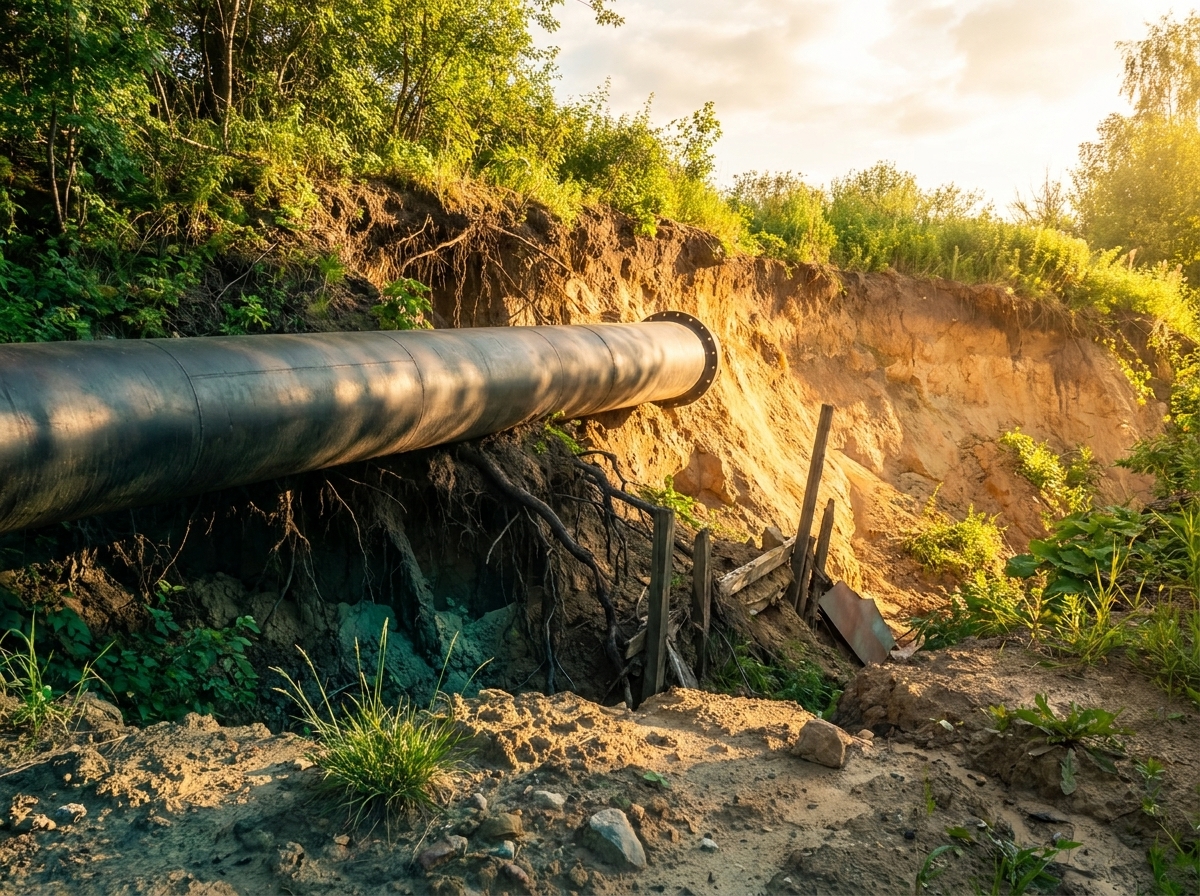
Traditional foundation methods often carry significant risks that can jeopardize project timelines, budgets, and quality. Understanding these risks is crucial for anyone involved in infrastructure projects.
Schedule Delays and Cost Overruns
Traditional methods can lead to unexpected delays and increased costs. Concrete foundations need curing time, and weather conditions can halt progress. For example, a sudden rain can delay concrete pouring, pushing back your timeline and adding costs. This unpredictability can impact your bottom line, especially in remote areas where logistics are already challenging. Moreover, the labor-intensive nature of these methods means higher workforce costs.
Environmental and Logistical Challenges
Concrete and bored piles often require significant site disturbance. This means more equipment, more transport, and more fuel emissions. Sites in remote or sensitive environments face additional hurdles. Transporting heavy machinery to these locations not only increases costs but also heightens the risk of environmental harm. For projects aiming for sustainability, this is a major downside.
Quality Assurance and Control Issues
Ensuring consistent quality with traditional foundations can be tough. Variations in soil conditions can lead to inconsistencies in foundation strength. Without real-time monitoring, issues might only surface after installation, causing costly rework. These methods lack the precision and adaptability needed in complex soil conditions, often leading to structural concerns later on.
Advantages of Helical Piles in Infrastructure Projects
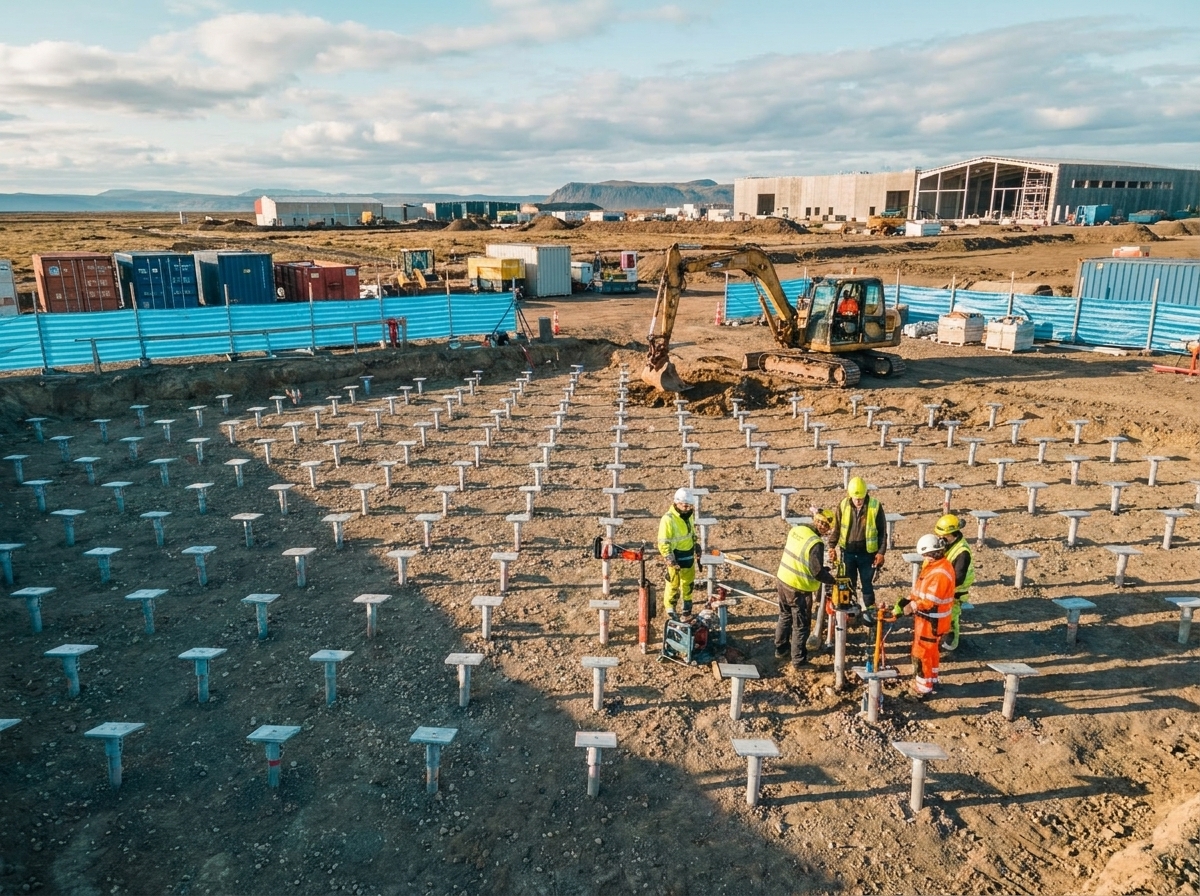
Helical piles offer a modern alternative that addresses the pitfalls of traditional methods, providing efficiency and reliability for infrastructure projects.
Rapid Installation and Minimal Spoil
Helical piles can be installed quickly, reducing project timelines significantly. They involve minimal excavation, which means less spoil and quicker clean-up. Imagine cutting your installation time by 50% compared to traditional methods. This speed not only saves time but also reduces labor costs, making your project more cost-effective.
Real-Time Torque Monitoring and Capacity Verification
One of the standout features of helical piles is real-time torque monitoring. This provides immediate verification of load capacity, ensuring that each pile meets the required standards. With this technology, you can ensure quality without delays. It provides confidence that your foundations will hold strong, even in challenging conditions.
Adaptability to Australian Soil Conditions
Helical piles are engineered to handle diverse soil conditions across Australia. Whether you’re dealing with reactive clays or sandy soils, these piles can adapt, providing reliable support. This adaptability means fewer surprises during installation, leading to smoother project execution. It’s a foundation solution designed with the unique challenges of Australian soil in mind.
Helical Piles for Solar, Pipeline, and Transmission
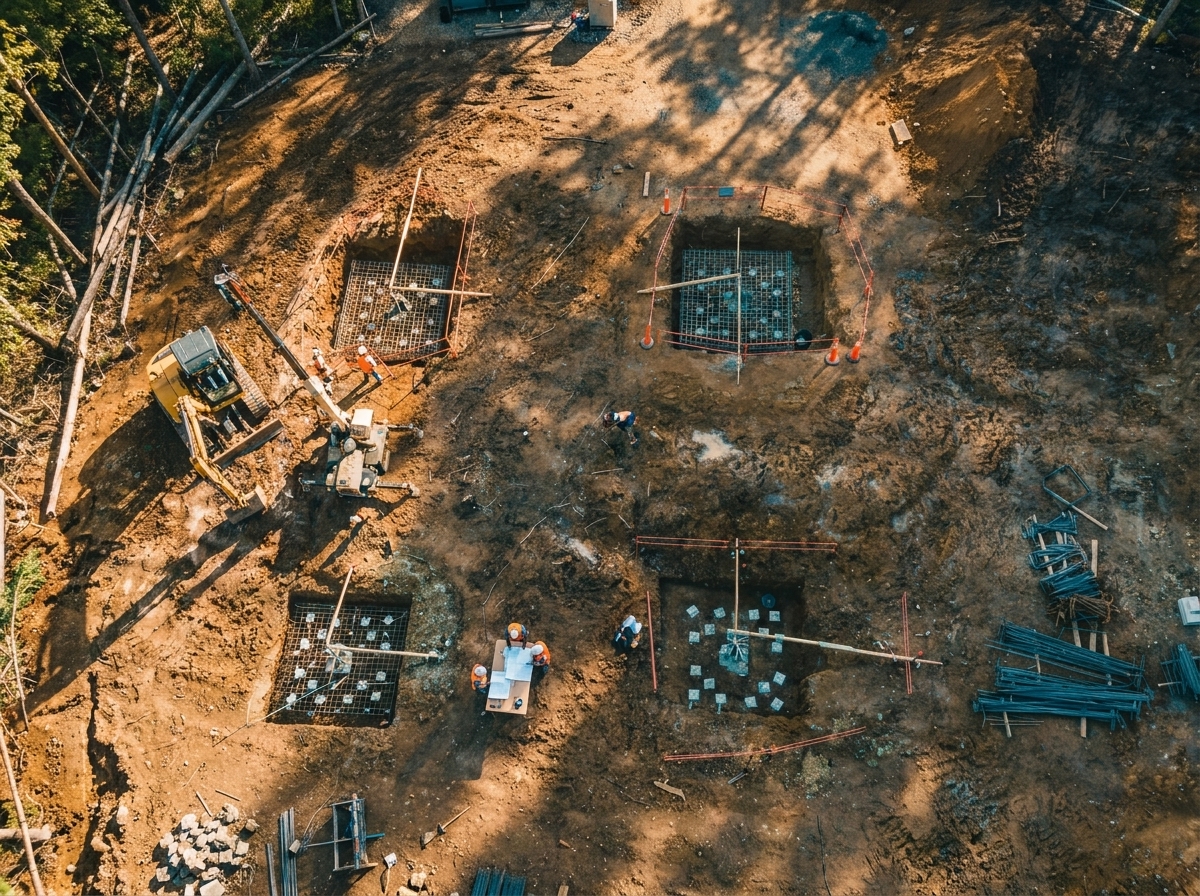
Helical piles provide tailored solutions for various infrastructure projects, offering specific benefits for solar, pipeline, and transmission line foundations.
Solar Farm Foundations and Remote Sites
Solar farms often sit on challenging terrains. Helical piles offer stability on uneven grounds and remote sites, making them ideal. Their rapid installation means less disruption and faster project completion. Without the need for curing time, you can move from foundation to construction swiftly, maximizing your solar farm’s operational efficiency.
Pipeline Supports and Uplift Resistance
Pipelines demand strong, stable supports. Helical piles provide uplift resistance, ensuring that pipelines remain secure even under shifting soil conditions. This stability is crucial for long-distance pipelines that traverse varied terrains. The corrosion-resistant nature of helical piles also adds longevity, reducing maintenance needs over time.
Transmission Line Footings and Corrosion Protection
Transmission lines require durable footings that can withstand environmental stress. Helical piles offer corrosion protection, a vital feature for structures exposed to the elements. With hot-dip galvanization, these piles resist corrosion, ensuring long-lasting support. This reliability means less frequent inspections and maintenance, saving time and resources.
By shifting to helical piles, you not only reduce risks but also enhance the efficiency and sustainability of your projects. For a deeper dive into these benefits, refer to the technical risks in PV projects and pipeline project differentiation. These resources provide further insights into how helical piles can transform your infrastructure approach.
Learn how to avoid costly foundation failures with expert insights.