From Design to Drive: A Technical Guide to Helical Pile Installation in Australia
Helical pile installation is reshaping foundation standards across Australia’s toughest sites. You know that fast, reliable, and compliant foundations are critical for solar farms, pipelines, and transmission lines. This guide breaks down the entire process—from design and geotechnical verification to real-time torque monitoring and QA/QC—showing how Helical Piles Australia delivers proven deep foundation solutions with minimal site disturbance and maximum confidence. Keep reading to see how your next project can benefit. Learn more about helical pile installation here.
Helical Pile Design Process
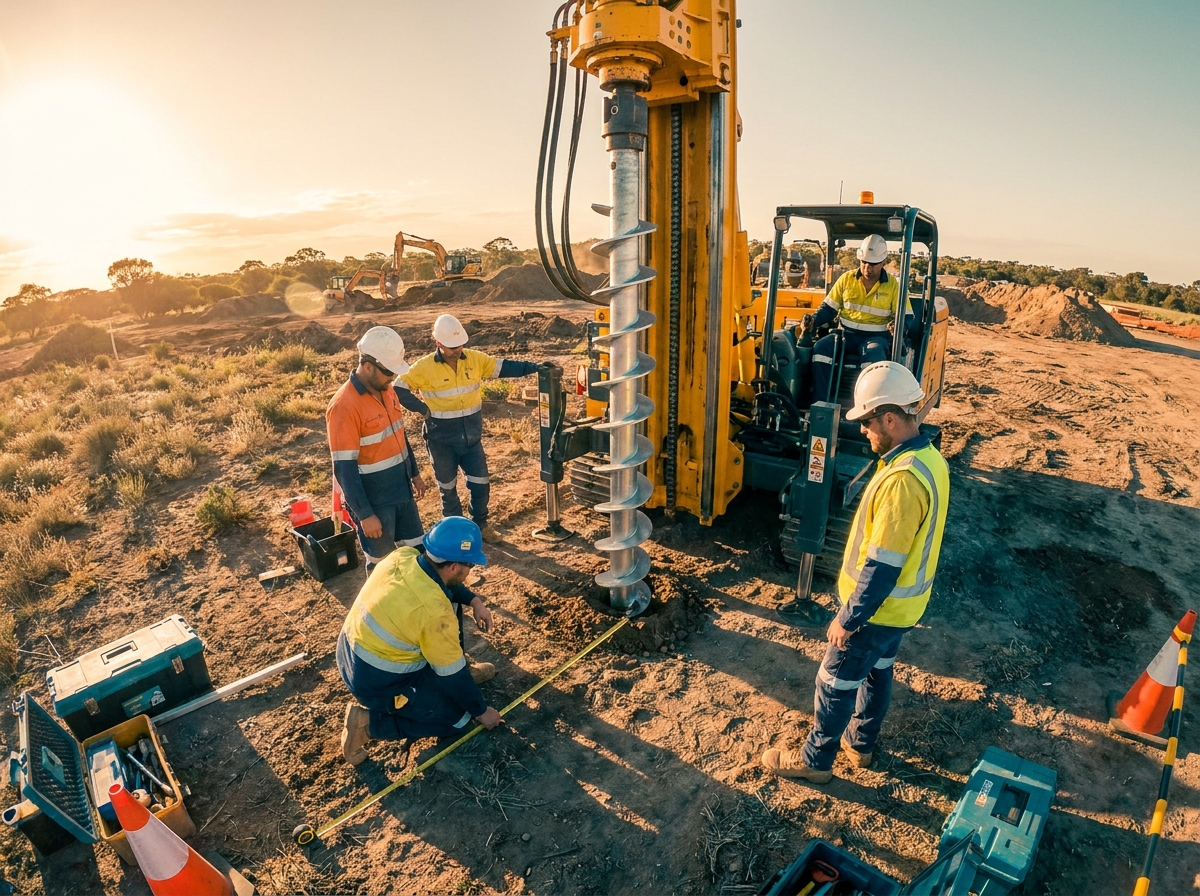
Understanding the design process is key to mastering helical pile installation. This section explores the steps needed to ensure a strong foundation, starting with soil analysis and moving through design verification and load case review.
Understanding Soil Conditions
Grasping soil conditions is the starting point for any successful foundation. You need to know what lies beneath to ensure stability and longevity. Begin with a thorough soil survey. This will reveal soil type, strength, and any potential challenges like moisture content or erosion risk. Such insights can prevent costly surprises later.
In Australia, soil varies greatly. From sandy coasts to rocky inland, each type demands a different approach. Here’s a key insight: 50% faster installation is possible when you tailor your method to the specific soil. The Guide to Helical Piles provides further reading on this.
Geotechnical Design Verification
Verification is more than a checkbox. It’s about ensuring every design element aligns with real-world variables. Once soil conditions are clear, the next step is geotechnical verification. This confirms that the design will hold strong against expected loads and conditions.
You’ll need to assess factors such as soil compaction and load-bearing capacity. This process often involves computer modeling and on-site testing. A robust design means fewer adjustments during installation. Check out this installation manual for detailed procedures.
Load Case Analysis and Review
Understanding load cases is crucial. This step involves analyzing potential forces your foundation will face. Consider both static and dynamic loads, factoring in elements like wind, seismic activity, and weight distribution.
The analysis ensures the foundation can handle both everyday pressures and unexpected events. Reviewing this data allows for necessary design tweaks, ensuring compliance with AS 2159 standards. Remember, a strong foundation starts with comprehensive planning.
Installation and Monitoring Techniques
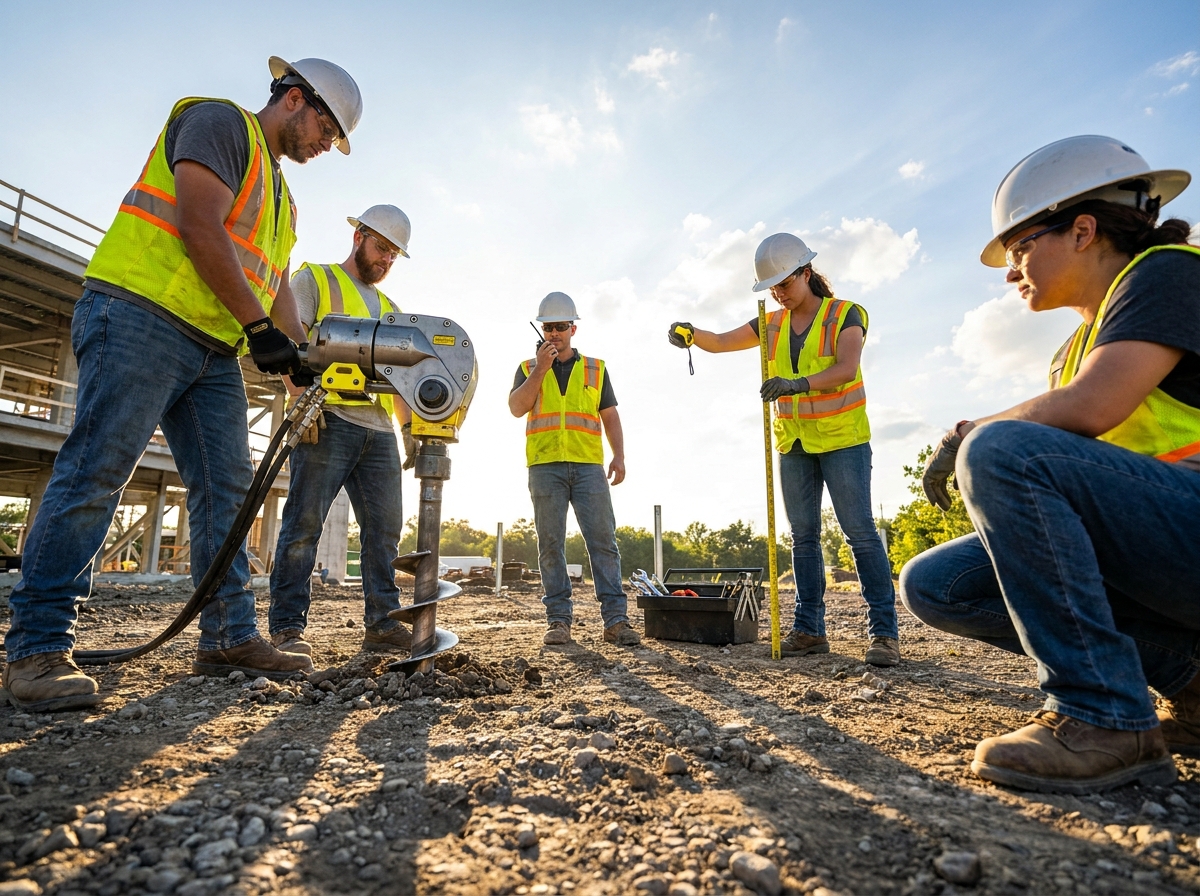
With design in place, focus shifts to installation and monitoring. Here, real-time feedback systems and careful site management play vital roles in achieving successful outcomes.
Real-Time Torque Monitoring
Real-time torque monitoring is your secret weapon. This method provides immediate feedback, ensuring piles are installed to the correct depth and tension. It’s not just about getting the job done; it’s about precision.
The torque correlation method links the torque applied during installation to the pile’s load capacity. This ensures each pile meets the required strength. It offers peace of mind and saves time by reducing the need for post-installation adjustments. Learn more about this method in the design guide.
Minimizing Site Disturbance
Site disturbance not only affects the environment but can also delay your project. Helical piles are designed to minimize this impact. With no need for large-scale excavation, you maintain the site’s natural state.
This approach is ideal for sites with environmental restrictions or those in remote areas. The lightweight nature of helical piles also reduces the need for heavy machinery, further cutting down on site disruption. This makes them perfect for eco-sensitive projects.
Ensuring AS 2159 Compliance
Compliance is non-negotiable. Adhering to AS 2159 standards is crucial for safety and reliability. This involves rigorous testing and documentation throughout the installation process. From initial site surveys to the final check, every step must meet these guidelines.
You’ll want to keep detailed records of all procedures, as these documents can serve as proof of compliance. This not only safeguards the project but also builds trust with stakeholders, showing your commitment to quality and safety.
Quality Assurance and Compliance
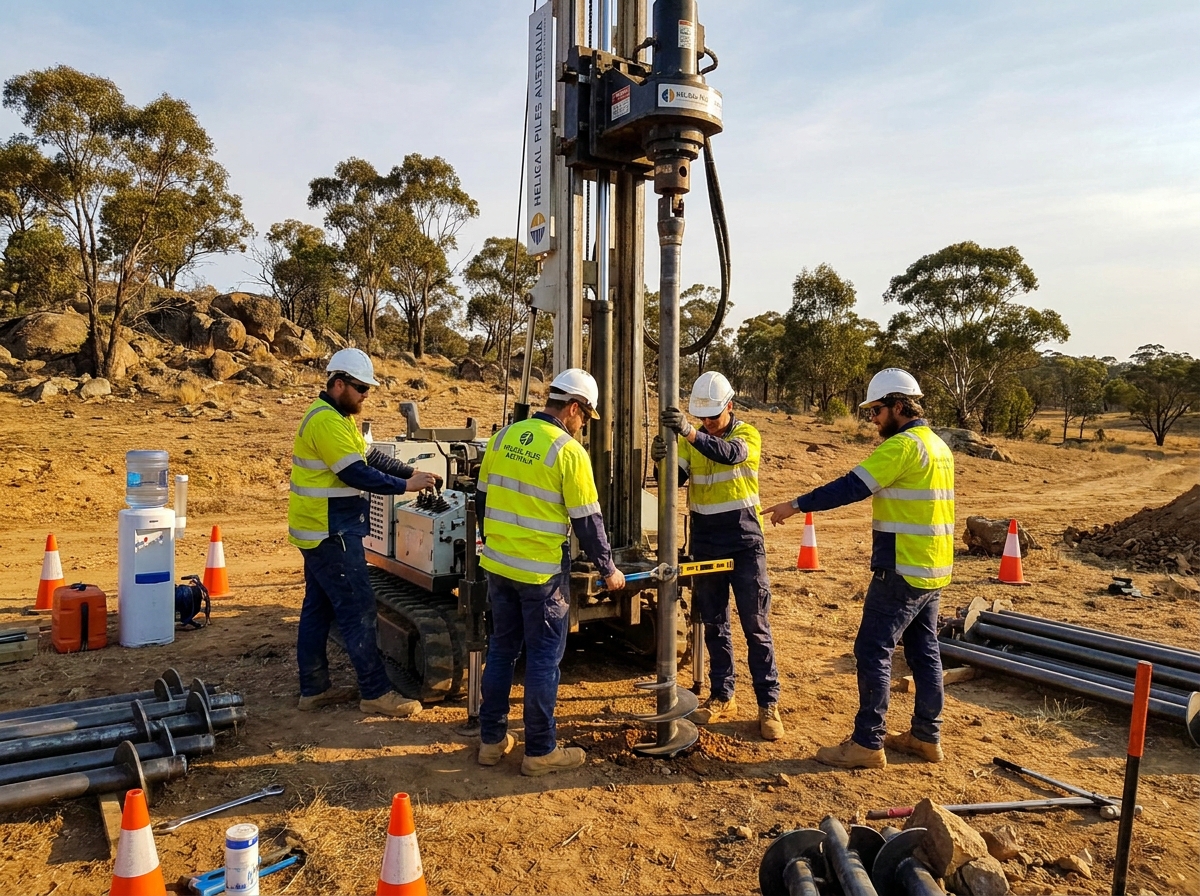
Quality assurance ensures that every pile performs as intended. The focus here is on rigorous testing and environmental stewardship, guaranteeing that foundations stand the test of time.
Foundation QA/QC Procedures
Quality Assurance and Quality Control (QA/QC) are crucial for foundation integrity. These procedures involve regular checks and tests to ensure each pile meets design specifications and load capacities.
Start with material inspections. Verify that steel grades and coatings match requirements. During installation, monitor torque readings and alignment. Post-installation, conduct load tests to confirm stability. Consistent QA/QC processes mean fewer unexpected issues and longer-lasting foundations.
Corrosion Protection Systems
Corrosion is a silent enemy. Protecting your piles from this threat extends their lifespan significantly. Use corrosion-resistant materials or apply protective coatings to steel piles. These measures can prevent degradation, especially in harsh environments.
The choice of protection depends on soil conditions and environmental factors. By investing in these systems, you ensure that your foundation remains robust over time, saving on future repair costs.
Environmental Impact Considerations
Every construction project impacts its surroundings. Minimizing this impact should be a priority. Helical piles are designed for low disturbance, being ideal for projects with strict environmental guidelines.
Considerations include reducing carbon emissions through efficient installation and using sustainable materials. By taking these steps, you not only protect the environment but also enhance your project’s reputation among stakeholders concerned with sustainability. For more information on environmentally friendly foundations, explore this helical pile foundation guide.
Understanding the full scope of helical pile installation ensures your projects are faster, cleaner, and compliant. The next step? Apply these insights to your upcoming projects and watch your efficiency soar. Helical Piles Australia is here to support you every step of the way, providing the expertise and solutions you need for success.
Last chance for 2026 pricing – secure your foundation solutions today.