Why Traditional Foundations Increase Risk on Solar, Pipeline, and Transmission Projects in Australia
Traditional concrete and driven-pile foundations often slow solar, pipeline, and transmission projects with unexpected delays and rising costs. These methods expose your schedule and budget to risks from soil challenges like expansive clays and collapsible soils common across Australia. You’ll learn why switching to helical piles Australia offers a faster, lower-risk foundation solution—complete with torque monitoring, minimal site disturbance, and compliance with AS 2159 standards.
Risks of Traditional Foundations
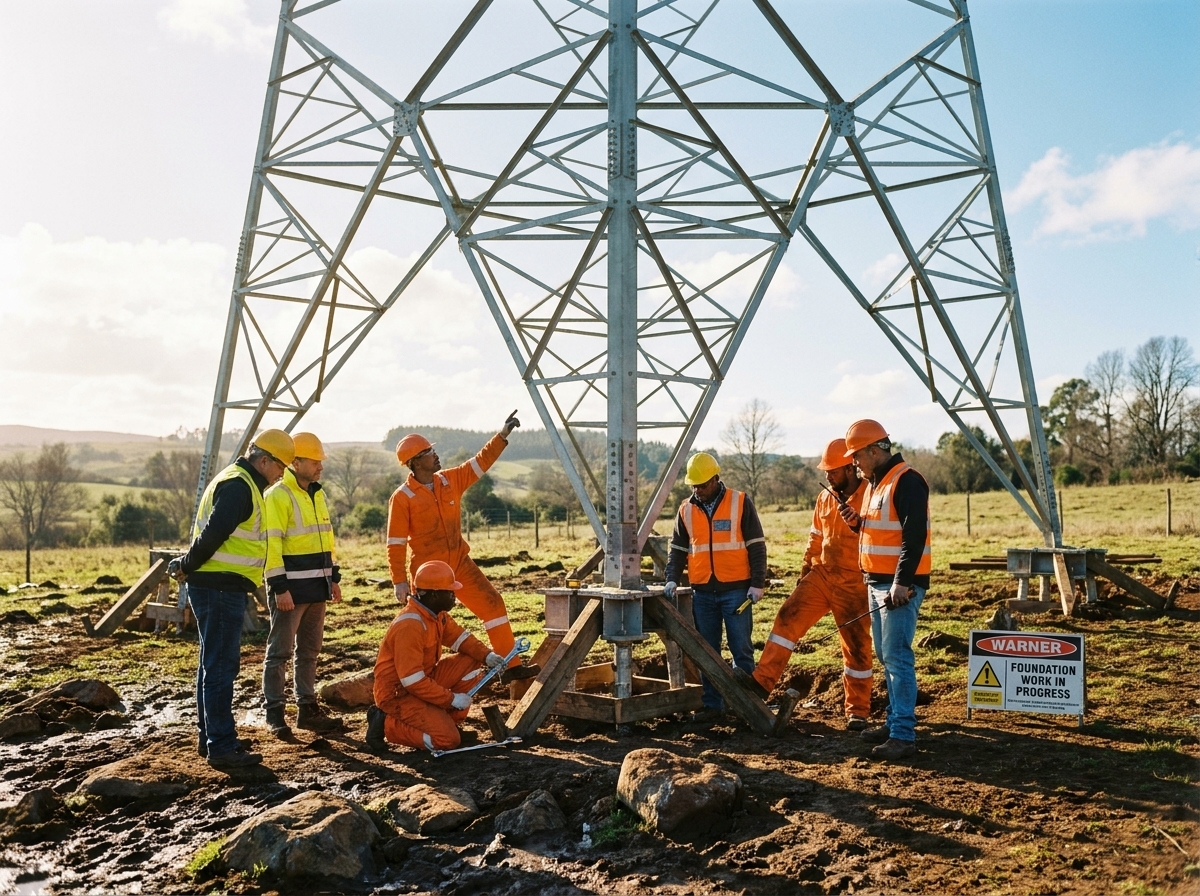
When it comes to solar, pipeline, and transmission projects, traditional foundations can pose significant challenges. By exploring these risks, you can better appreciate the benefits of helical piles.
Schedule and Cost Overruns
Time is money, especially in construction. Traditional methods often lead to schedule delays. For instance, extensive excavation and concrete curing can slow projects. This not only pushes timelines but also increases costs. With rising expenses, budgets can spiral out of control quickly. In contrast, helical piles allow for faster installations, helping to keep projects on track and within budget.
Quality Assurance Challenges
Ensuring quality is crucial. Traditional foundations can be unpredictable due to soil variability. This means more inspections and potential rework. Quality assurance becomes a constant hurdle. Helical piles offer real-time torque monitoring, giving you instant feedback on load capacity. This ensures high standards without the guesswork.
Environmental Impact Concerns
Construction can harm the environment. Traditional methods involve heavy machinery and large-scale earthworks. This increases the carbon footprint and disrupts local ecosystems. Helical piles minimize site disturbance, offering a greener alternative. They require less machinery and reduce soil displacement, aligning with sustainable practices.
Benefits of Helical Piles
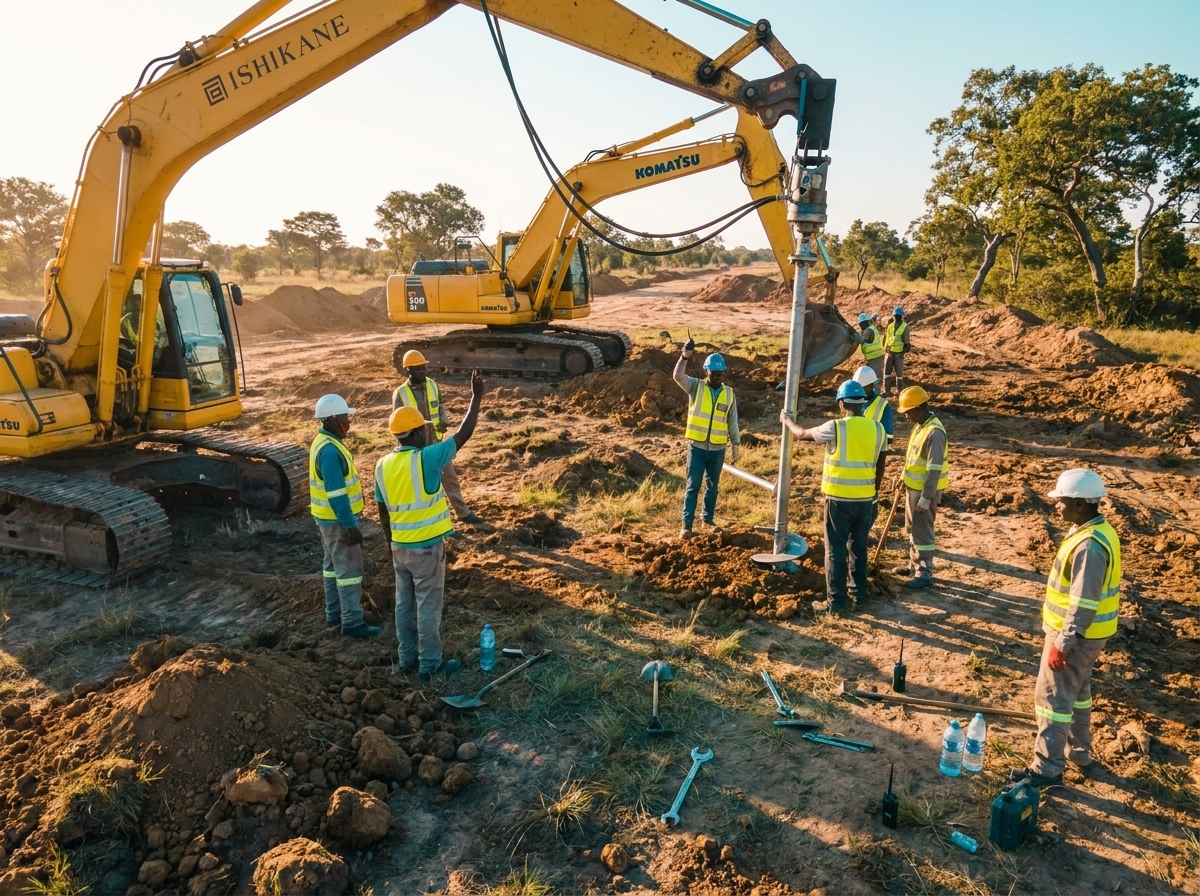
Understanding the risks of traditional foundations makes the benefits of helical piles even clearer. Let’s dive into what makes these piles a superior choice.
Faster Installation Times
Speed is a game-changer. Helical piles can be installed quickly, saving valuable time. Unlike concrete, which needs curing, helical piles are ready for immediate use. This accelerates project timelines significantly. Reduced installation time also cuts labor costs. Imagine completing your project 50% faster. That’s the power of helical piles.
Lower Environmental Footprint
Every project impacts the environment, but helical piles lessen this impact. With minimal soil disturbance, they maintain the natural landscape. No need for heavy excavation means less machinery and fewer emissions. For environmentally-conscious projects, helical piles are the smart choice. They offer low carbon foundations that align with green building standards.
Reliable Performance and Compliance
Performance and compliance are non-negotiable. Helical piles deliver on both fronts. Their design ensures robustness against soil challenges. Whether dealing with expansive clays or collapsible soils, these piles stand firm. Compliance with AS 2159 standards guarantees quality. With helical piles, you’re not just meeting standards, you’re surpassing them.
Helical Piles in Action
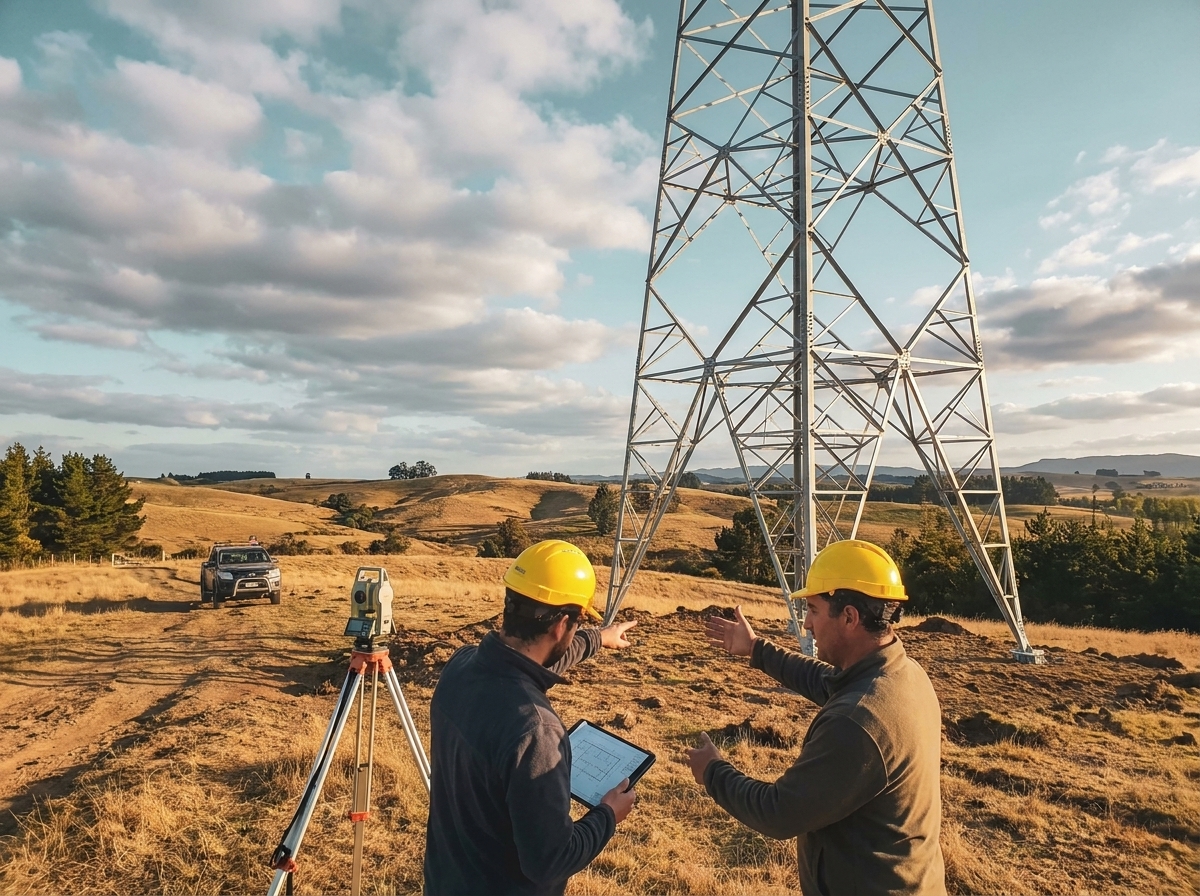
Now that we’ve discussed their benefits, let’s see how helical piles perform in real-world applications. Across various sectors, they prove their worth.
Solar Farm Foundations
Solar farms require sturdy, reliable foundations. Helical piles fit the bill perfectly. They are ideal for remote areas with challenging soil conditions. Their rapid installation reduces project timelines, enabling quicker energy generation. For solar farm foundations, helical piles offer an unbeatable combination of speed and strength.
Pipeline Supports and Transmission Footings
Pipeline and transmission projects face unique challenges. Helical piles provide stable, corrosion-resistant support. This is crucial for long-distance pipeline anchoring. In areas with rock refusal or difficult access, they offer reliable solutions. Transmission line footings benefit from their quick installation, ensuring continuous service with minimal downtime.
Overcoming Soil and Access Challenges
Australia’s diverse landscapes present varied challenges. From expansive clays to rocky terrains, helical piles adapt with ease. They are engineered for remote access installation, enabling projects in hard-to-reach locations. By overcoming these soil and access challenges, helical piles ensure project success where traditional methods may falter.
Helical piles revolutionize the foundation approach by offering speed, reliability, and sustainability. They address the pitfalls of traditional methods, making them an ideal choice for modern infrastructure projects. For more insights on overcoming construction challenges, check out Niskanen Center’s recommendations. By choosing helical piles, you not only enhance your project’s efficiency but also contribute to a sustainable future.
Learn how to avoid costly foundation failures with expert insights.