Engineering Certainty: Avoiding Australia’s Common Foundation Pitfalls with Helical Piles
Variable soils, tight site access, and strict environmental rules often stall Australian infrastructure projects. You know how these foundation challenges eat into your schedule and budget. Helical piles Australia offers a patented system designed to cut installation time by up to 50%, reduce site impact, and meet AS 2159 compliance with real-time torque monitoring. Keep reading to see how these deep foundation solutions deliver certainty for your toughest projects.
Navigating Foundation Challenges
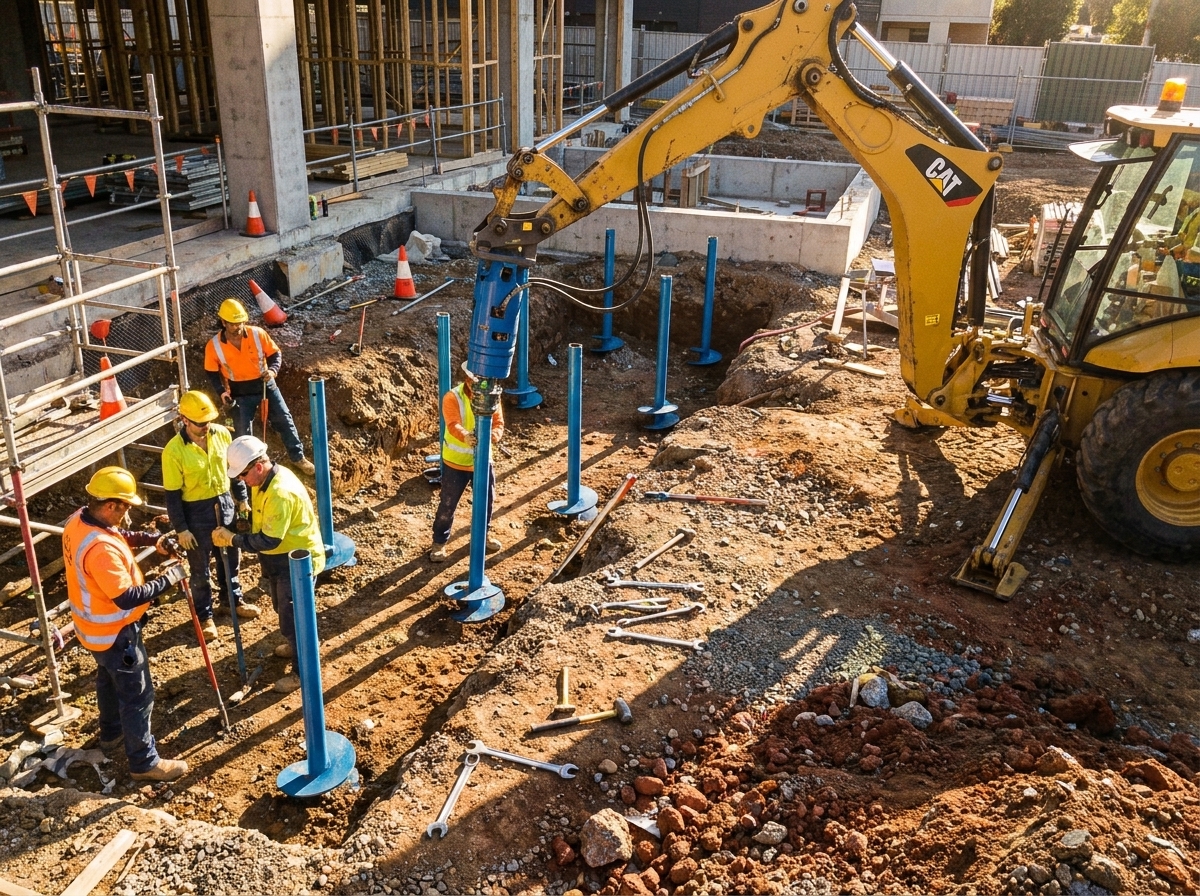
Foundation projects in Australia often face unique hurdles. Let’s explore the main issues and how they impact your projects.
Variable Soils: A Common Issue
Soil variability can derail your project before it even begins. Different soil types require specific strategies. In Australia, you might encounter anything from reactive clay to coastal sand. These variations can complicate foundation planning.
Reactive clay, for instance, expands and contracts with moisture changes. This movement can stress and damage your foundations. Coastal sands, on the other hand, might not offer enough support. Each soil type presents a unique challenge, making one-size-fits-all solutions ineffective.
That’s where soil-specific solutions become crucial. By understanding your site’s soil conditions, you can tailor your foundation strategy. This ensures stability and durability, keeping your project on track.
Limited Access and Schedule Risks
Tight site access is another challenge you face. Urban areas or remote sites often have restricted entry points. This limitation can delay your project and inflate costs. Heavy machinery might struggle to reach the site, wasting valuable time.
Moreover, limited access can affect your construction schedule. The longer it takes to set up, the more your budget suffers. Delays in foundation installation can ripple through your entire project timeline.
Using adaptable and mobile equipment can mitigate these issues. Solutions that work in confined spaces help you stay on schedule. This agility keeps your project moving, saving you time and resources.
Environmental Constraints in Foundations
Environmental rules add another layer of complexity. Regulations aim to protect the land, but they can hinder construction. Projects near waterways or in protected areas face strict oversight. Compliance with these rules is non-negotiable.
Environmental constraints demand low-impact solutions. Traditional methods often disturb the soil, creating extra work. You need a strategy that respects both nature and your timeline. Choosing environmentally friendly methods minimizes disruption.
By opting for low-impact solutions, you align with regulations while maintaining progress. These strategies reduce environmental harm, keeping your project compliant and efficient.
Helical Piles: The Superior Solution
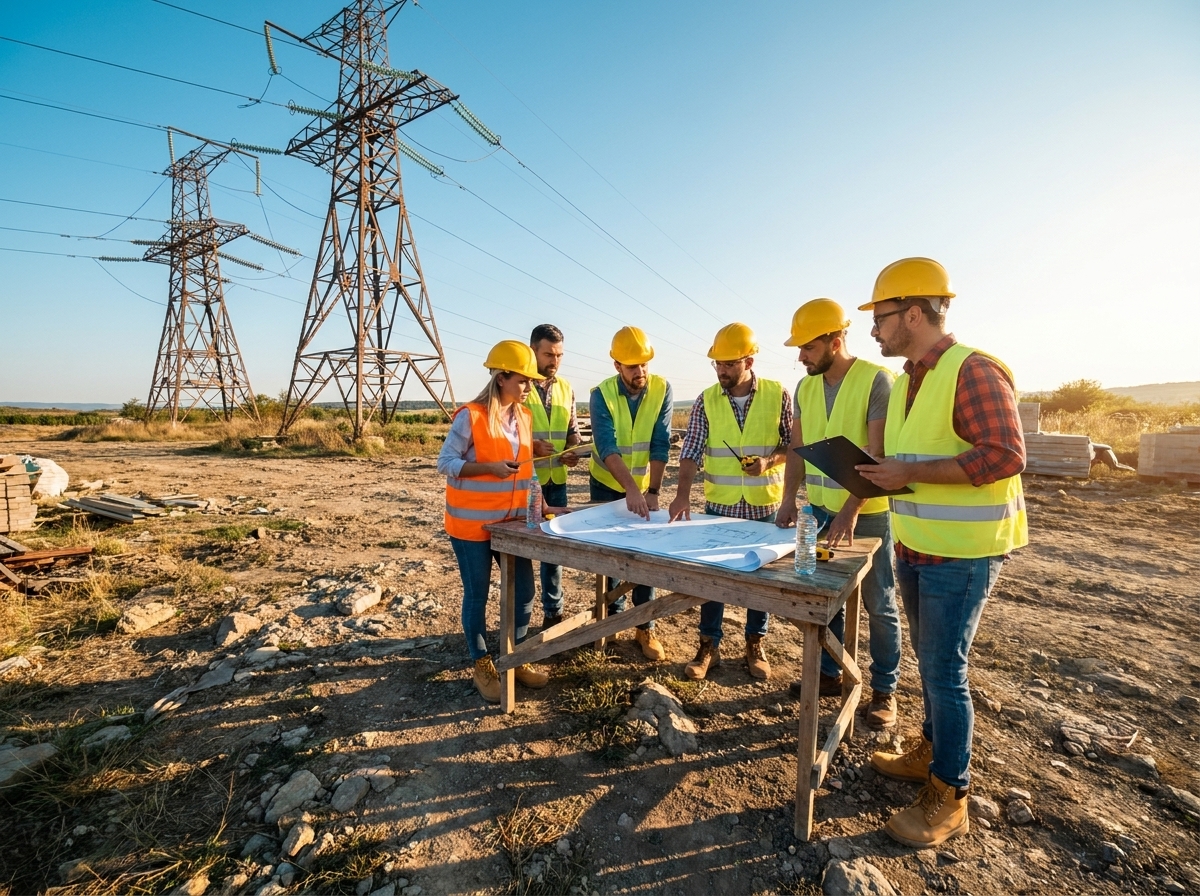
With these challenges in mind, you need a reliable solution. Helical piles offer a superior alternative to traditional methods.
Deep Foundation Solutions for All Conditions
Helical piles excel in varied soil conditions. Whether dealing with reactive clay or sandy soils, they provide stability. These piles screw into the ground, reaching deeper strata. This method ensures a solid foundation.
The adaptability of helical piles makes them ideal for challenging terrains. Unlike concrete, they don’t require extensive excavation. This feature reduces site disturbance and speeds up installation. You’re not just solving problems; you’re preventing them.
Projects with unique soil challenges benefit greatly from helical piles. They offer a dependable footing, minimizing the risk of future issues. This reliability translates to fewer delays and better project outcomes.
AS 2159 Compliant Foundations Explained
Meeting compliance standards is crucial for any project. Helical piles easily align with AS 2159 requirements. This standard ensures that your foundations are safe and effective.
Compliance isn’t just a box to tick; it’s a safeguard for your project. By using compliant foundations, you avoid potential legal issues. It also reassures stakeholders that you’re following best practices.
Helical piles provide real-time verification during installation. This feature supports compliance and boosts confidence in your foundation’s integrity. You’re not just meeting standards; you’re setting them.
Real-Time Torque Monitoring Benefits
Monitoring torque in real time offers significant advantages. This capability provides immediate feedback on installation quality. You can adjust on the fly, ensuring optimal performance.
Real-time monitoring means you know exactly how your foundation is performing. This transparency helps you catch issues early, reducing the risk of failure. You’re not left guessing; you have data to guide you.
With real-time insights, you ensure that each pile is installed correctly. This accuracy boosts the overall reliability of your foundation. You’re building with confidence, knowing your project stands on a solid base.
Applications and Efficiency
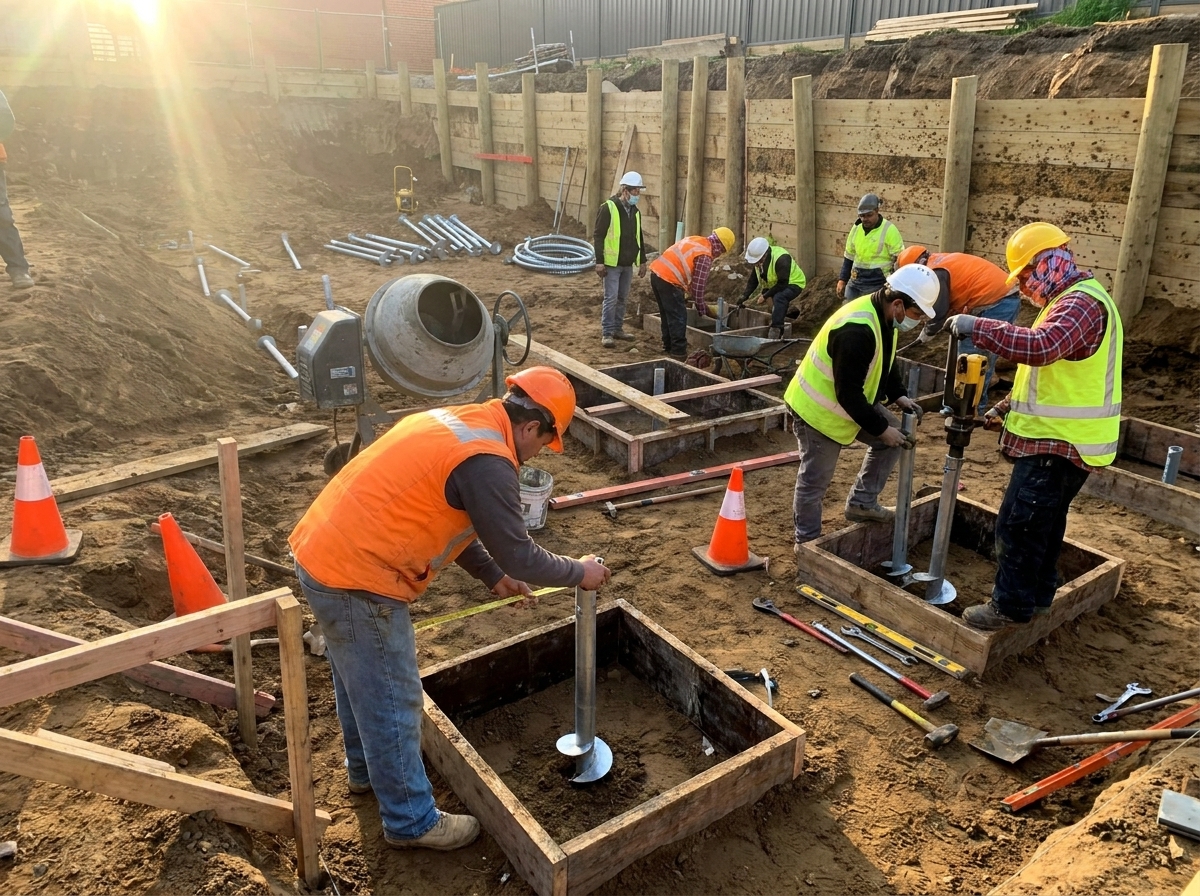
Understanding the power of helical piles leads to practical applications. Let’s explore how they enhance efficiency in different projects.
Solar Farm Foundations and Pipeline Supports
Helical piles are perfect for solar farms and pipelines. These projects often occur in remote locations, where traditional methods falter. Helical piles provide rapid installation with minimal site impact.
For solar farms, the quick setup means you can start generating power sooner. It’s an efficient way to support renewable energy goals. Pipelines benefit from the stability and corrosion resistance of these piles.
Using helical piles in these contexts not only saves time but also supports sustainability. You’re contributing to a greener future while optimizing your project timeline.
Transmission Line Footings in Remote Areas
Remote areas present unique challenges for transmission lines. Access issues can cause delays and increase costs. Helical piles offer a solution with their adaptability and ease of transport.
These piles provide strong footings for transmission lines, even in hard-to-reach spots. Their installation requires less machinery, making them ideal for remote sites. You’re not just overcoming obstacles; you’re turning them into opportunities.
By choosing helical piles, you ensure your transmission project proceeds smoothly. You’re not only saving time but also reducing logistical headaches.
Low Environmental Impact and Rapid Installation
Minimizing environmental impact is crucial in today’s projects. Helical piles excel in this area, offering rapid installation with low disturbance. This method respects the land and its ecosystems.
Traditional methods can harm the environment through excavation and disruption. Helical piles avoid these pitfalls, aligning with modern sustainability goals. You’re not just building; you’re preserving.
Choosing helical piles means a commitment to both efficiency and responsibility. You’re achieving your project goals while respecting the environment. It’s a win-win scenario that benefits everyone involved.
In summary, understanding and addressing common foundation challenges is key. Helical piles provide a reliable, efficient solution for complex projects. They offer adaptability, compliance, and low-impact options. By choosing this path, you’re not just constructing foundations; you’re building certainty for the future.
Learn how to avoid costly foundation failures with expert insights.