Helical pile cost often confuses project managers and engineers balancing budget and performance. Key factors like steel grade, pile length, and site conditions shape the total installed cost, but few understand how these interact across different foundation types. This guide breaks down those drivers, compares helical piles price Australia-wide against bored piers and driven piles, and reveals how Helical Piles Australia cuts risk and cost with patented systems and in-house manufacturing. Keep reading to see how you can gain price certainty on your next project. For more information, check out this guide on helical piers cost.
Key Drivers of Helical Pile Costs
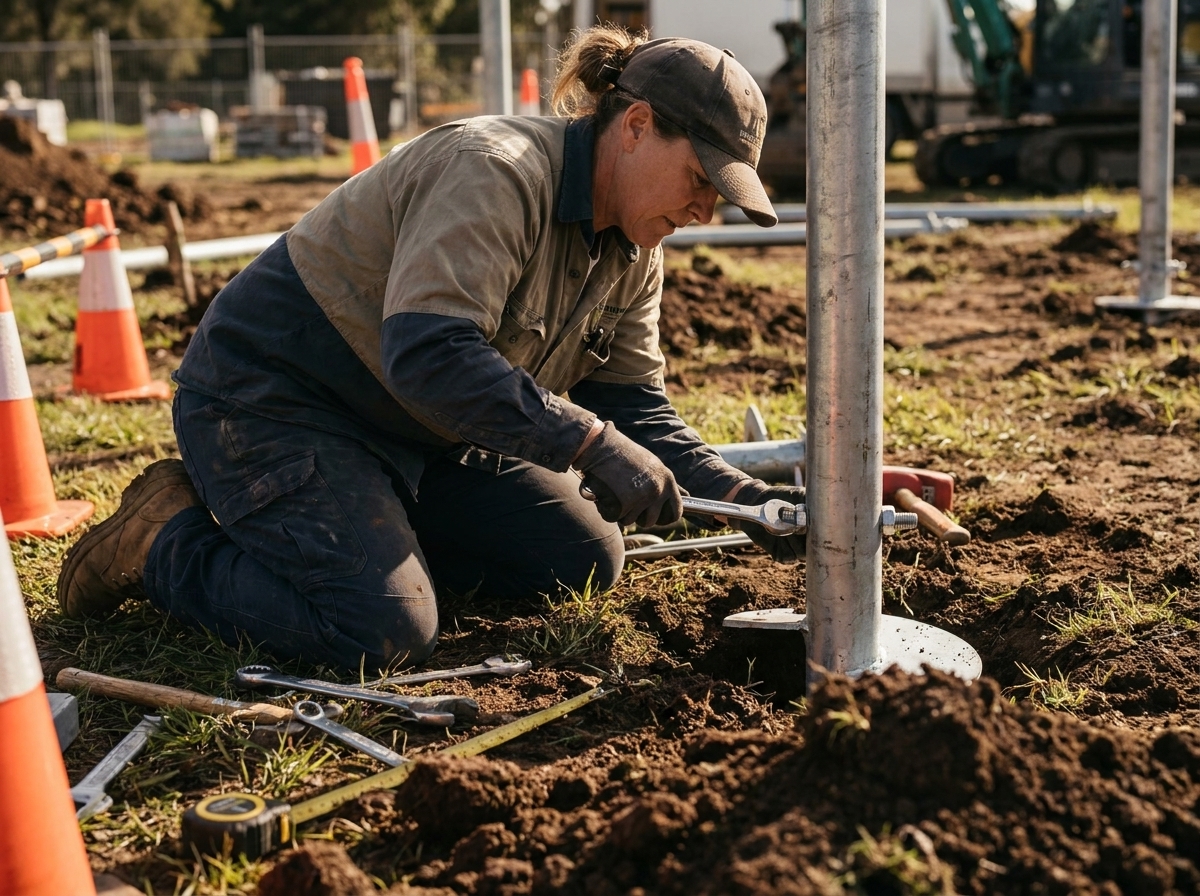
Understanding what drives the cost of helical piles is key to optimizing your project’s budget. Let’s explore the main elements that influence these expenses.
Steel Grade and Pile Geometry
The steel grade used and the geometry of the pile play a critical role in pricing. Higher-grade steel offers better strength, which can be crucial for supporting heavy structures. This means you might opt for a stronger, more expensive steel to ensure safety and durability. Meanwhile, the shape and size of the pile determine how well it can bear loads. A detailed assessment of these factors helps balance cost against performance, allowing you to get the most out of your investment.
Corrosion Protection and Length Considerations
Corrosion protection is essential to extend the life of helical piles. Galvanised helical piles provide a strong defense against rust, especially in harsh environments. Although this protection adds to the initial cost, it saves money in the long run by reducing maintenance needs. The length of each pile also matters. Longer piles reach deeper, more stable soil layers but require more material and labor. Calculating the optimal length for your site’s conditions ensures efficient resource use.
Torque Capacity and Testing Requirements
Torque capacity is a key indicator of a pile’s load-bearing ability. Knowing the torque correlation to capacity can help predict the pile’s performance under stress. Real-time torque monitoring during installation offers immediate insight, ensuring each pile meets its specifications. Testing requirements are vital to confirm the piles will perform as expected. By investing in proper testing, you avoid costly failures down the line, ensuring a strong and reliable foundation.
Comparing Foundation Costs and Schedules
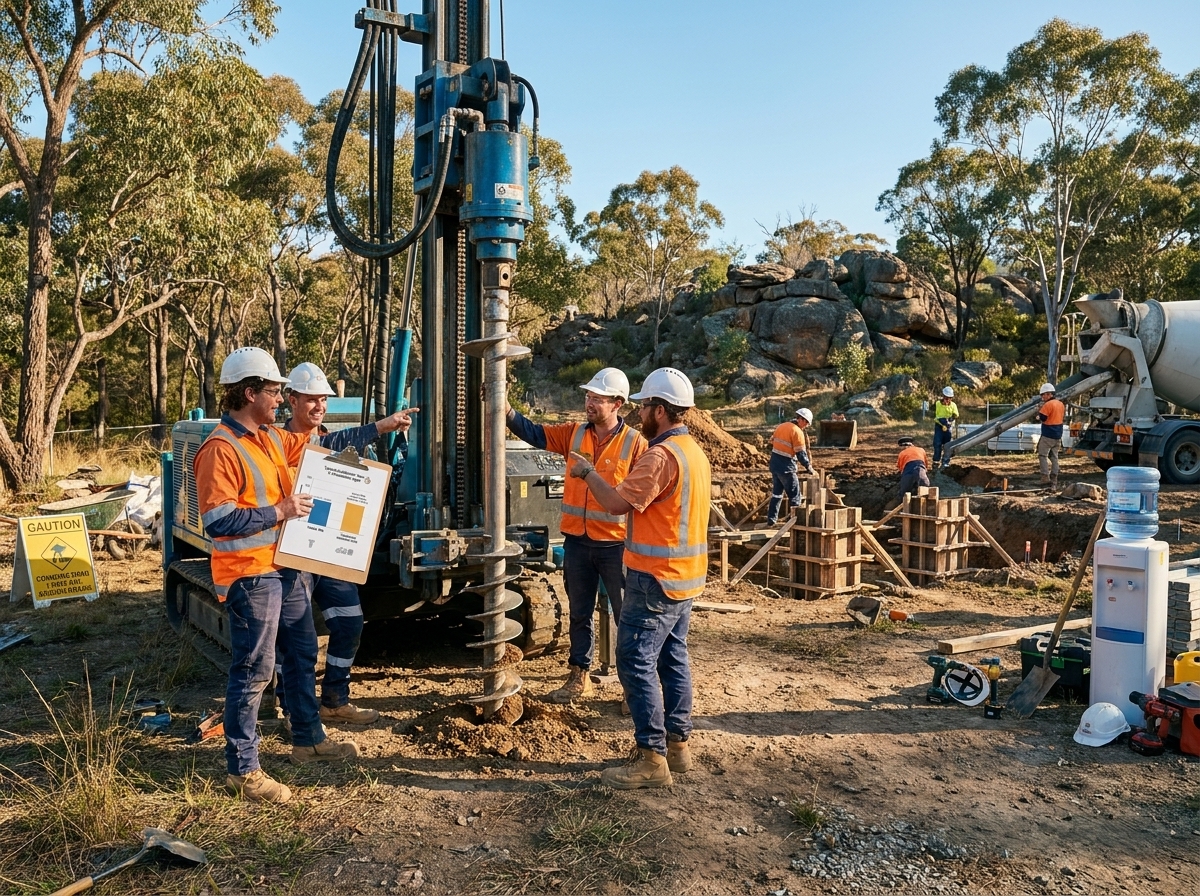
Now, let’s compare the costs and timelines of helical piles with other common foundation types. This section will help you see where helical piles might offer advantages.
Helical Piles vs. Bored Piers
Helical piles and bored piers serve similar purposes but differ in cost and installation speed. Helical piles usually install faster, thanks to their screw-like design. This speed can cut labor costs significantly. Bored piers, on the other hand, require extensive digging and concrete pouring. This process is not only slower but often more costly. For projects with tight deadlines, helical piles could be a more suitable choice, offering both time and cost savings.
Helical Piles vs. Driven Piles
When comparing helical piles to driven piles, screw pile cost comes into play. Helical piles often win out due to their adaptability to different soil types. Driven piles may encounter resistance in hard or rocky soils, escalating costs. Helical piles can be installed with minimal disturbance, making them a good fit for sites where preserving the environment is crucial. This adaptability can lead to lower overall expenses and a smoother installation process.
Impact of Site Conditions on Costs
Site conditions significantly affect foundation costs. Rocky, uneven, or remote locations present unique challenges. Helical piles offer a solution with their ability to penetrate various soil types efficiently. This capability reduces the need for site preparation and minimizes disturbances. When dealing with complicated or environmentally sensitive sites, helical piles provide a cost-effective and low-impact foundation alternative.
Reducing Total Installed Costs
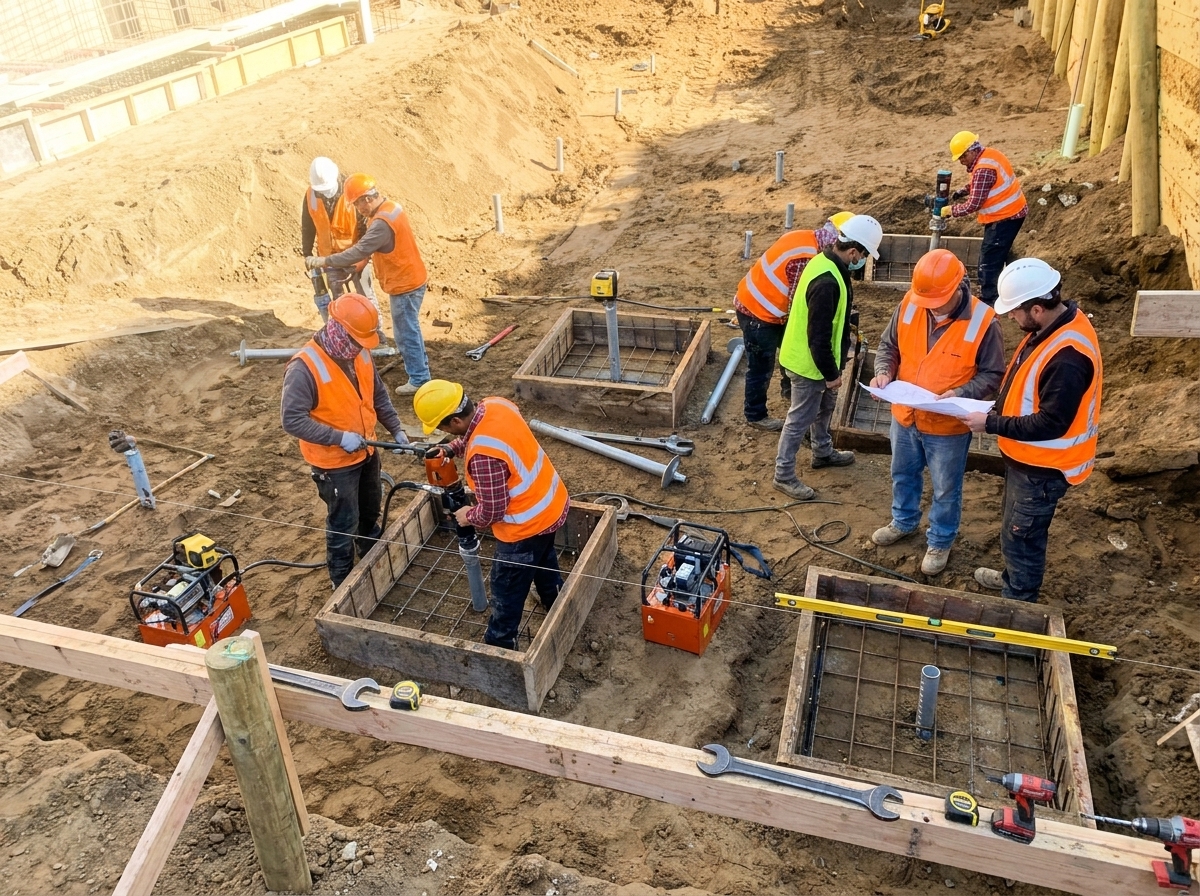
Reducing total installed costs requires strategic planning and choosing the right products and methods. Here’s how Helical Piles Australia can help.
Patented Systems and In-House Manufacturing
Helical Piles Australia prides itself on its in-house manufacturing and patented systems. These innovations streamline production, ensuring quality control and reducing reliance on external suppliers. By managing the entire process, from design to production, costs stay competitive. This control allows for swift adjustments and custom solutions tailored to specific project needs, ultimately saving time and money.
Proprietary Installation Methods
Our proprietary installation methods are designed to maximize efficiency. By using advanced techniques suited to Australian soil conditions, projects can progress more smoothly. This approach not only speeds up installation but also ensures precision and reliability. With fewer delays and adjustments needed during construction, overall costs decrease, providing a more predictable budget.
Requesting a Project-Specific Quote
For an accurate idea of the installed cost of helical piles, consider requesting a project-specific quote. Our team evaluates your project’s unique requirements, site conditions, and goals. This tailored approach ensures you receive a detailed breakdown of costs, avoiding surprises later on. By understanding all the variables from the start, you can plan and budget with confidence, securing the best outcomes for your project.
By exploring these sections, you gain a comprehensive view of how helical piles stack up against other foundation types and how you can optimize your investment. Whether you’re dealing with a solar farm, pipeline, or other infrastructure projects, Helical Piles Australia offers solutions that deliver on both cost and performance.
Last chance for 2026 pricing – secure your foundation solutions today.