Traditional concrete foundations can stall your entire project with excavation, curing, and unpredictable soil challenges. Foundation screw piles cut installation time by up to 50%, delivering immediate load-bearing capacity without excavation or spoil. In this post, you’ll learn how helical piles designed for Australian conditions reduce risk, minimize ground disturbance, and keep your schedule on track. For more insights into the benefits and drawbacks of screw piles, you can explore this resource.
Fast and Efficient Screw Pile Installation
Foundation screw piles are revolutionizing how quickly projects can progress. By eliminating the need for excavation and curing, they minimize delays and expedite timelines.
How Screw Piles Reduce Schedules
Screw piles slice the foundation installation time down by up to 50%. This speed is achieved through a simple installation process that doesn’t require curing. The piles are ready to bear loads immediately after installation, unlike concrete which demands days to cure. With no need for extensive excavation, teams can begin work even in adverse weather, avoiding the typical project delays caused by rain or other environmental factors.
Key Advantages Over Concrete Footings
When comparing screw piles to concrete footings, one clear advantage is immediate load-bearing capability. Concrete requires waiting periods, while screw piles support structures as soon as they’re installed. Additionally, screw piles exert minimal ground pressure and cause less soil displacement, preserving the site’s integrity. They also adapt to a variety of soil types, making them versatile for different project needs.
Case Studies in Rapid Installation
Numerous projects showcase the swift installation of screw piles. In one case, a solar farm in rural Australia completed its foundation work ahead of schedule by utilizing screw piles. This not only accelerated the project timeline but also saved on labor costs. The speed and efficiency of screw piles make them a preferred choice for projects with tight deadlines.
Design Fundamentals of Screw Piles
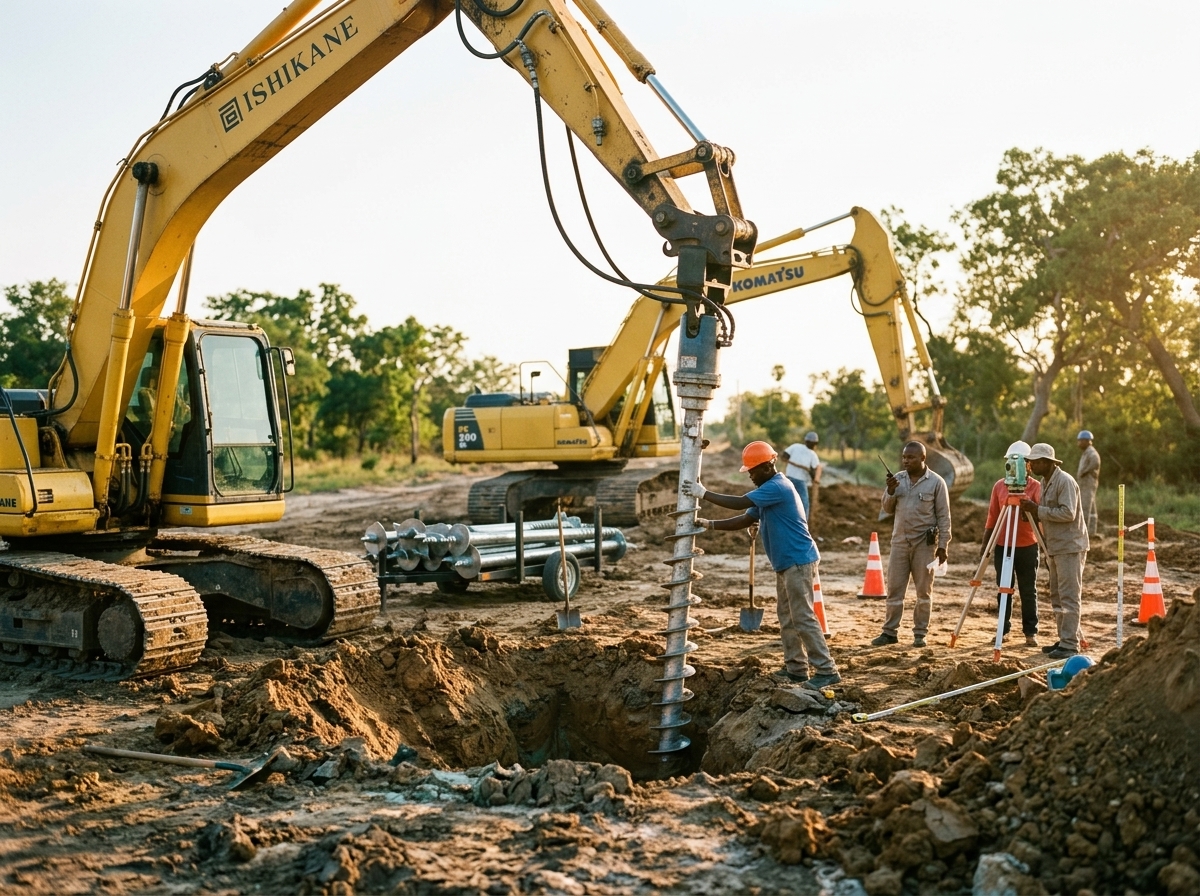
Understanding the basics of screw pile design is essential for ensuring optimal performance in diverse conditions.
Understanding Helix Geometry
The helix design of screw piles is crucial for their effectiveness. The shape allows piles to anchor securely into the ground, providing stability and strength. This geometry enhances their ability to carry loads, making them suitable for a variety of projects, including those in challenging environments.
Torque–Capacity Correlation Explained
Torque plays a critical role in the installation of screw piles. The measure of torque applied during installation correlates directly with the pile’s load-bearing capacity. This means that each pile can be verified in real time, ensuring that it meets the necessary standards for the project. This verification process provides confidence in the pile’s performance and ensures compliance with standards such as AS 2159.
Essential Corrosion Protection Strategies
Protection against corrosion is vital for the longevity of screw piles. Hot-dip galvanizing is a standard method used, offering a protective coating that extends pile life. For more aggressive soils, additional measures like epoxy coatings or cathodic protection might be necessary. Understanding soil conditions helps in selecting the right protection strategy, ensuring long-lasting performance.
Applications in Australian Infrastructure
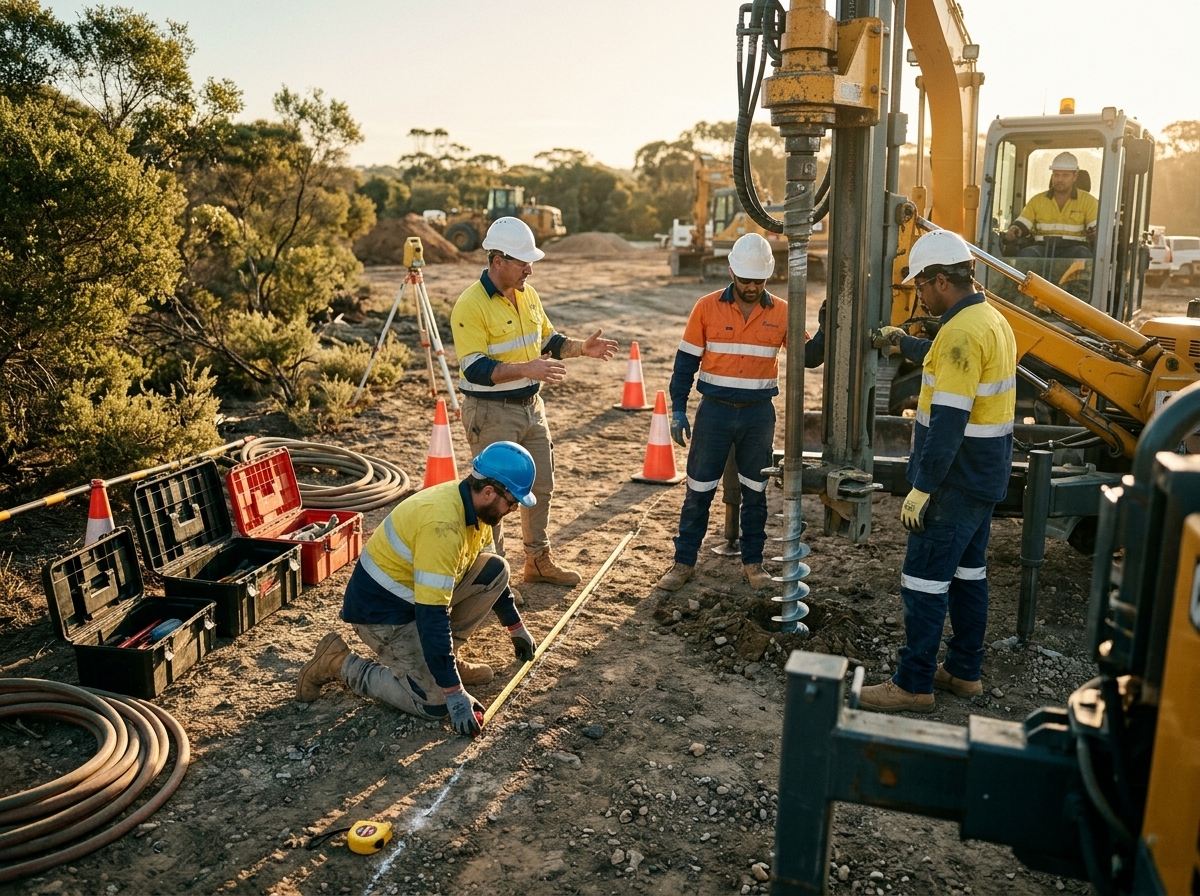
Screw piles serve as a dependable foundation solution across various infrastructure projects in Australia.
Solar Farm Foundation Solutions
For solar farms, screw piles provide a rapid and reliable foundation method. Their ability to be installed quickly and bear loads immediately makes them ideal for large-scale solar installations. The reduced ground disturbance also aligns with environmental considerations, making them a preferred choice for eco-friendly projects. For more insights into their environmental benefits, you can check this article.
Transmission Line Footings for Remote Sites
Transmission lines often traverse remote and challenging terrains. Screw piles cater to these needs by offering a foundation solution that is not only quick to install but also adaptable to various site conditions. The minimal equipment required for installation makes them suitable for areas with limited access.
Pipeline Supports and Environmental Benefits
Pipeline projects benefit significantly from using screw piles. These piles provide stable support and reduce the risk associated with ground disturbance. Their installation minimizes environmental impact, which is crucial for projects crossing sensitive areas. This makes screw piles an environmentally friendly option, as highlighted in this resource.
Frequently Asked Questions
What are the benefits of using screw piles over traditional foundations?
Screw piles offer immediate load-bearing capacity, faster installation, minimal ground disturbance, and adaptability to various soil types. They eliminate the need for excavation and curing, accelerating project timelines.
How does the torque-capacity correlation work for screw piles?
Torque measurements taken during pile installation correlate directly to the pile’s load-bearing capacity. This real-time verification ensures each pile meets the necessary standards and provides confidence in its performance.
Are screw piles suitable for environmentally sensitive areas?
Yes, screw piles are ideal for environmentally sensitive projects. They minimize ground disturbance and require less equipment, reducing the environmental footprint of construction sites.
Last chance for 2026 pricing – secure your foundation solutions today.