Traditional concrete foundations often stall projects with long curing times and unpredictable costs. Helical piles cost less over the full lifecycle in many Australian projects, cutting installation time by up to 50% and eliminating wait times for curing. You’ll see why these engineered systems outperform concrete in challenging soils, reduce ground disturbance, and manage geotechnical risks with precision torque verification. Keep reading to get a clear foundation cost comparison and find out how to request a budget estimate tailored to your project. For more insights, explore helical pile cost comparisons.
Understanding Helical Piles Cost
Helical piles offer a compelling alternative to traditional foundations, especially under challenging Australian conditions. Let’s explore what affects their cost and how they compare to concrete foundations.
Key Cost Drivers in Australia
When considering helical piles, key cost drivers emerge. The first is the type of soil and its condition. Australian soil varies widely, so projects must account for this variability. The second driver is the installation depth required, which influences the number of piles and installation time. Lastly, logistics play a role. Remote locations increase costs due to transportation and accessibility challenges.
Projects in urban areas may see different cost dynamics. Here, ease of access can reduce expenses. However, urban regulations might require additional compliance measures. You must also consider the need for specialized equipment to handle varying soil conditions. Each of these factors contributes to the overall cost of installing helical piles in Australia. For a detailed breakdown of installation costs, visit cost estimate for helical pile installation.
Comparing with Concrete Foundations
Helical piles often come out ahead in cost comparisons with concrete. Why? They eliminate the need for extensive excavation, formwork, and, importantly, curing time. While concrete requires days to cure, helical piles are ready immediately after installation. This can drastically reduce your project timeline and associated costs.
Concrete foundations also bring additional logistical challenges. They require more materials, labor, and time. In contrast, helical piles involve less site disturbance and are suitable for a range of soil conditions. They offer a faster, more adaptable solution, especially where ground conditions are less predictable. For a comprehensive comparison, check helical piles vs concrete cost.
Lifecycle Cost Benefits
When examining lifecycle costs, helical piles present clear advantages. Their durability means fewer maintenance requirements over time. This translates to lower overall costs. Plus, they can be removed and reused, adding another layer of cost efficiency.
Concrete, on the other hand, may require more frequent repairs, especially if initially installed in unsuitable conditions. The ability to withstand various environmental conditions without substantial maintenance makes helical piles a compelling choice for long-term projects. They offer an efficient, sustainable foundation solution that aligns with evolving project needs over time. Learn more about the benefits at Helical Pile Capacity in Australia.
Schedule and Risk Savings
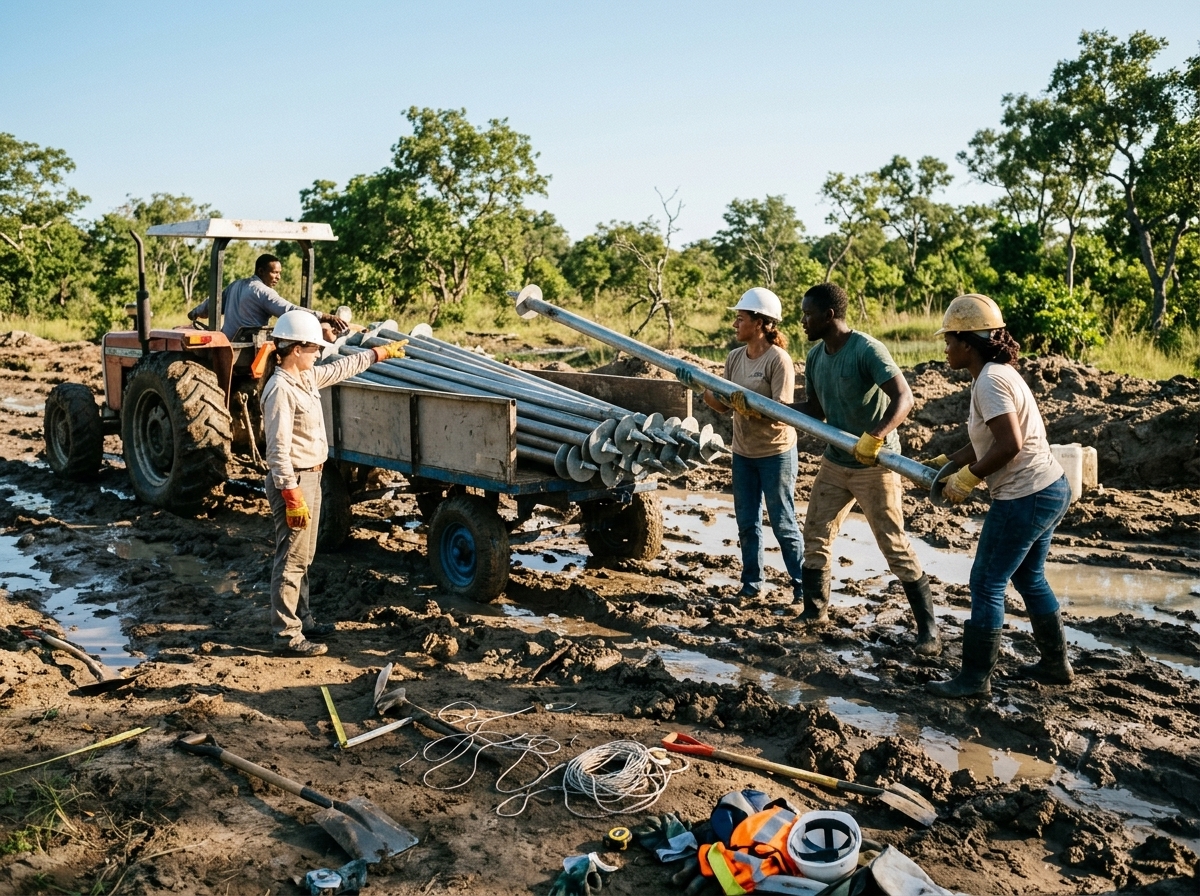
Time is often as critical as cost in construction projects, and here, helical piles shine. They reduce schedules and minimize risks compared to traditional foundations.
Faster Installation Process
Helical piles install quickly, often cutting project timelines by up to 50%. This speed stems from their straightforward installation process. There’s no need for curing, which can delay concrete projects for days or even weeks.
Immediate loading capability further accelerates timelines. Without waiting for concrete to set, subsequent construction phases can begin right away. This speed not only saves time but also translates to reduced labor costs and equipment rentals. It allows projects to meet deadlines more consistently, keeping stakeholders and clients satisfied.
No Curing Time Required
Concrete foundations require significant curing time, which can stall project progress. In contrast, helical piles eliminate this delay. They are ready for loading immediately after installation, providing a significant time-saving advantage.
This absence of curing time also means less exposure to weather-related delays. Rain or extreme temperatures can hinder concrete curing, but helical piles proceed unaffected. This reliability is crucial for maintaining project timelines, especially in regions with unpredictable weather patterns.
Managing Geotechnical Risks
Helical piles also excel in managing geotechnical risks. Their design allows for real-time torque monitoring during installation. This ensures each pile meets the necessary load capacity, reducing the risk of future foundation issues.
This verification process provides engineers with immediate feedback, allowing for adjustments as needed. It minimizes the chance of unforeseen problems later in the project, which can be costly to rectify. This proactive approach to risk management boosts confidence in project outcomes and ensures long-term foundation stability.
Requesting Estimates and Reviews
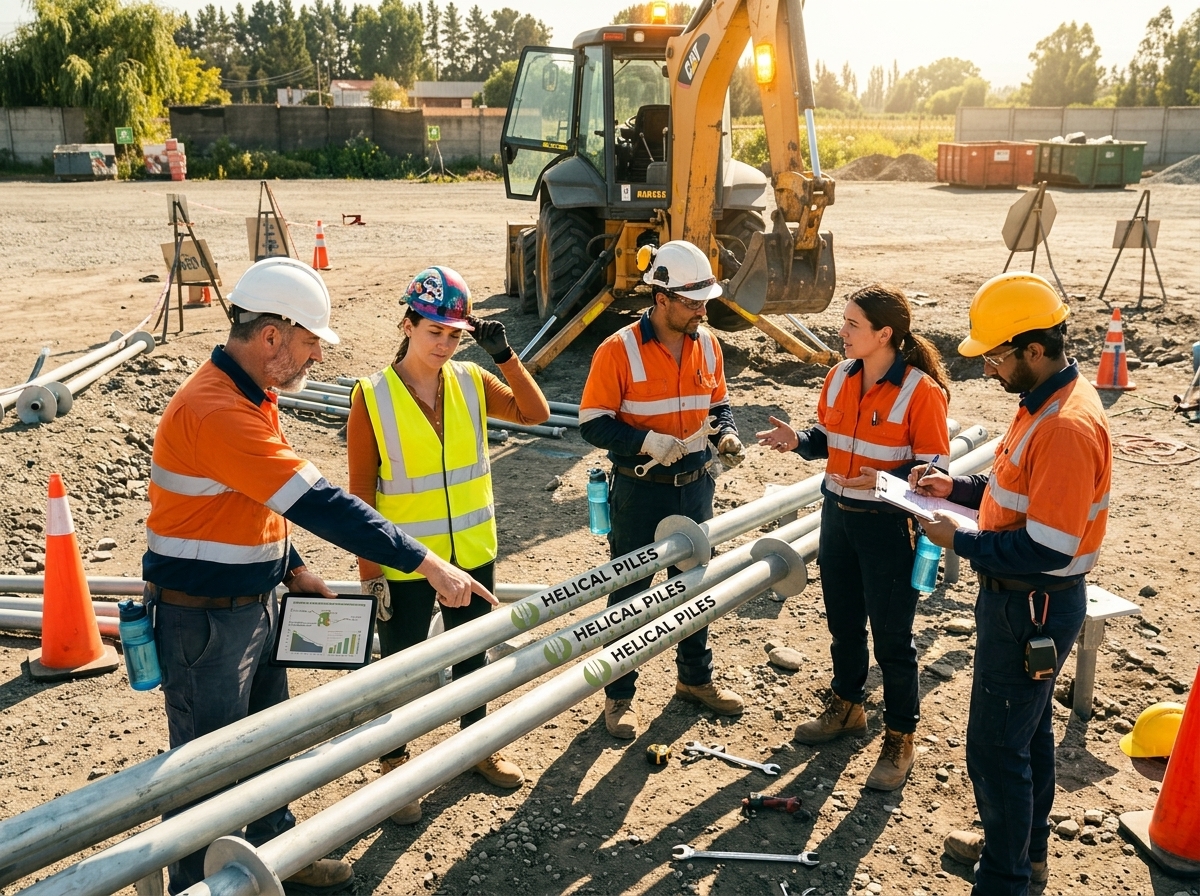
Understanding costs and risks is key, but knowing how to request tailored estimates can make a big difference. Let’s look at what you need to know.
Budget Estimate Process
Requesting a budget estimate for helical piles involves several steps. First, provide detailed project information, including location, soil conditions, and project scope. This data helps providers give accurate estimates tailored to your specific needs.
Next, engage with professionals who understand local conditions and requirements. Their expertise ensures the estimate reflects real-world costs, not just theoretical figures. Finally, review the estimate with your team to ensure it aligns with your budget and timeline expectations.
Constructability Review Steps
A constructability review is essential before installation begins. It identifies potential challenges and opportunities for optimization. Start by collaborating with engineers to assess soil data and site conditions. This step helps in anticipating any issues that could affect installation.
Then, outline the installation plan, including equipment and staffing needs. This comprehensive review ensures all aspects of the project are considered, reducing the risk of surprises during construction. By addressing these elements early, you ensure a smoother installation process.
Trial Pile Program Availability
Consider implementing a trial pile program. This approach tests helical piles on-site before full-scale installation. It provides valuable insights into soil behavior and pile performance.
Trial programs are an opportunity to adjust designs based on real-world data, ensuring the final installation meets all performance criteria. By investing in this upfront testing, you reduce the risk of costly adjustments later in the project. It’s a proactive measure that enhances the reliability of your foundation solution.
Frequently Asked Questions
What are the main benefits of using helical piles in Australia?
Helical piles offer several benefits, including faster installation times, no curing delays, and suitability for various soil conditions. These features make them ideal for projects with tight schedules or challenging ground conditions.
How do helical piles compare to concrete foundations in terms of cost?
Helical piles often have lower lifecycle costs than concrete due to minimal maintenance needs and the elimination of curing time. They also reduce installation time, leading to further cost savings in labor and equipment.
What is involved in the budget estimate process for helical piles?
To get a budget estimate, you need to provide detailed project information like location and soil conditions. This allows for an accurate cost projection tailored to your specific project needs.
Can helical piles be installed in urban areas?
Yes, helical piles can be installed in urban areas. Their installation process causes minimal disturbance, making them suitable for projects with strict environmental or logistical constraints.
What is a trial pile program and why is it beneficial?
A trial pile program tests helical piles on-site before full installation. It helps verify soil conditions and pile performance, reducing the risk of issues during the main project phase.
Last chance for 2026 pricing – secure your foundation solutions today.