Ground mounted solar panels in Australia demand foundation solutions that match the country’s diverse soil conditions and tight project timelines. Traditional concrete footings often slow progress and introduce uncertainty in reactive clays, coastal sands, and rocky sites. Helical piles offer immediate load capacity and predictable performance, cutting installation time by up to 50% while reducing ground disturbance. This post explains why choosing screw pile foundations can strengthen your solar farm foundation strategy and keep your project on schedule. Learn more about ground mounted solar systems.
Ground Mounted Solar Panel Foundations
Ground-mounted solar panels require solid foundations, especially in diverse Australian environments. The right choice can considerably affect timing and project success. Let’s explore the challenges and options available.
Challenges in Australian Conditions
Australia’s varied soil types can complicate solar panel installations. From reactive clays to rocky terrains, each presents unique hurdles. Understanding these challenges helps in selecting effective foundations.
Comparing Helical Piles to Concrete Footings
When it comes to foundation options, helical piles stand out against traditional concrete footings. Unlike concrete, which requires extensive curing and can be unpredictable, helical piles provide immediate load capacity and adaptability across soil types, making them a preferred choice for many.
Benefits of Helical Piles
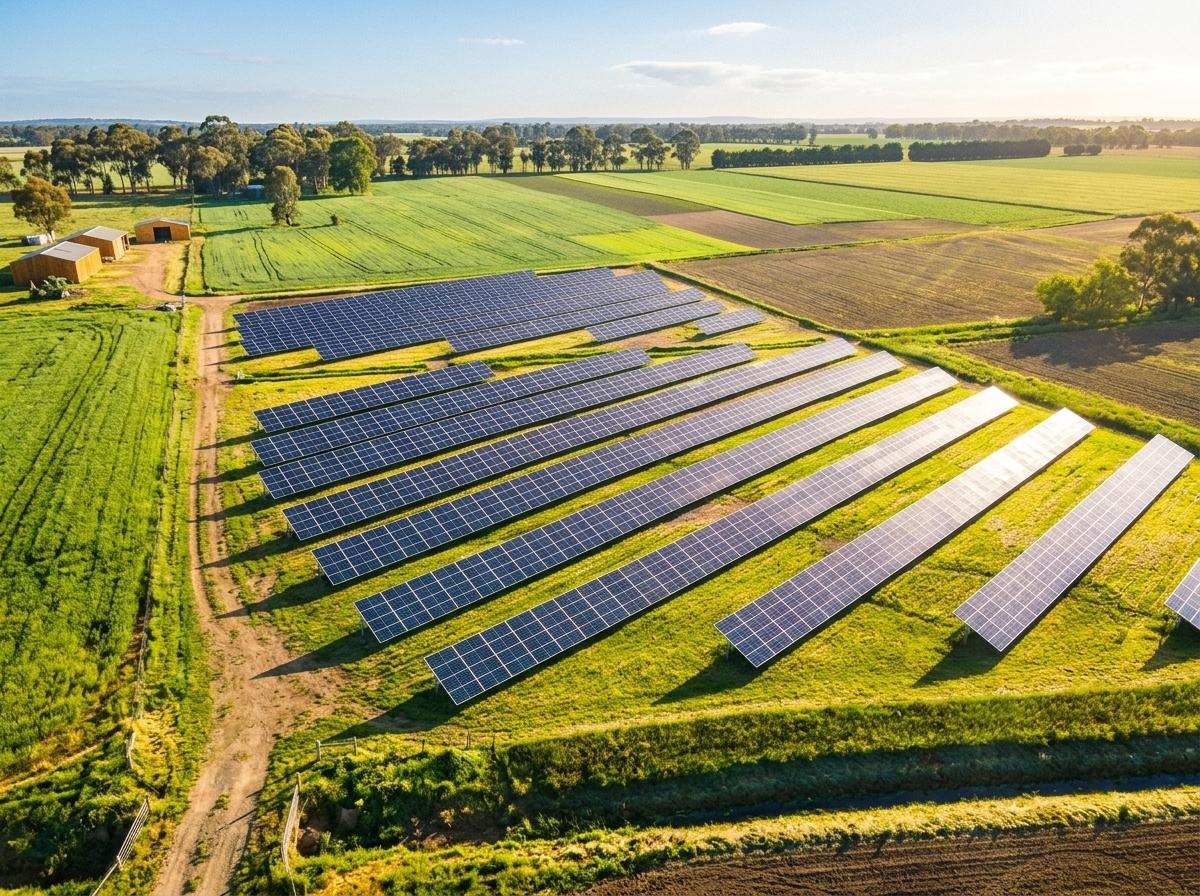
Helical piles bring several advantages that can streamline solar projects and boost efficiency.
Speed and Predictability
Speed is crucial, and helical piles deliver. Their installation can be up to 50% faster than concrete, with no need for curing time. This means your project timeline remains intact, allowing for better planning and execution. With helical piles, you gain predictable performance, reducing unforeseen delays.
Minimizing Environmental Impact
Environmental impact is a major consideration in construction. Helical piles cause minimal ground disturbance compared to excavation-heavy concrete foundations. This reduced impact not only preserves the surrounding area but also aligns with sustainable practices.
Technical Considerations for Helical Piles
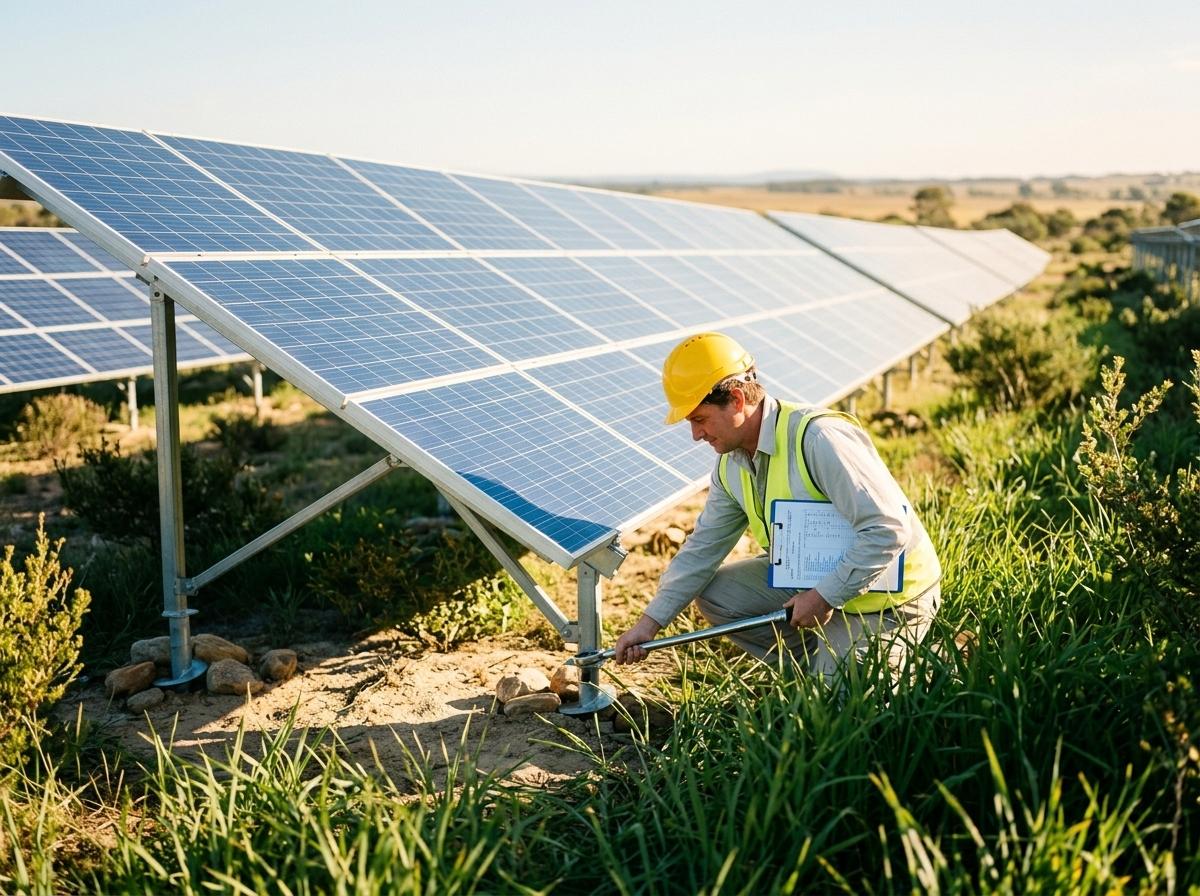
Understanding the technical aspects of helical piles is essential for their effective application.
Installation Torque and Load Testing
Installation torque directly correlates to load capacity, providing a reliable measure during setup. This predictability ensures that engineers can trust the foundation’s performance, aligning with standards like AS 2159 for peace of mind.
Corrosion Protection and Material Selection
Corrosion can undermine any foundation. By choosing galvanised helical piles, you protect against rust, ensuring longevity in harsh conditions. Material selection is key, and helical piles offer durable solutions suited for Australia’s challenging environments.
Frequently Asked Questions
What are the main benefits of using helical piles for solar foundations?
Helical piles offer faster installation times, immediate load capacity, and reduced environmental impact compared to traditional concrete footings.
How do helical piles cope with different soil types?
Helical piles are versatile and can be used in various soils, including reactive clays and rocky areas, providing consistent performance across different conditions.
Is corrosion a concern with helical piles?
Corrosion is mitigated by using galvanised materials, which protect against rust and ensure long-term durability in challenging environments.
Do helical piles meet Australian standards?
Yes, helical piles are designed to meet Australian standards such as AS 2159, ensuring compliance and reliability in construction projects.
Can helical piles be used in remote locations?
Absolutely. Helical piles are ideal for remote site construction due to their ease of transport and minimal installation requirements, making them suitable for difficult-to-access areas.
Last chance for 2026 pricing – secure your foundation solutions today.