Variable soil conditions pose a persistent challenge for foundation design across Australia. Selecting the right foundation system requires clear criteria to manage reactive clays, coastal sands, and weathered rock effectively. This guide explains how to evaluate your options using AS2159 piling design and installation standards, with a focus on helical piles for faster, more reliable delivery in complex ground conditions. For more information on foundation strategies, you can explore which foundation strategy would you choose.
Evaluating Foundation Systems
Choosing the best foundation system starts with understanding the ground beneath. Let’s explore the key factors that influence this critical decision.
Understanding Soil Variability
In Australia, soil types vary dramatically, impacting foundation choice. Reactive clays swell and shrink with moisture, coastal sands shift easily, and weathered rock can be unpredictable. Each type demands a tailored approach for stability and performance.
Reactive clays are notorious for movement, which can undermine traditional footings. Coastal sands, while stable when compacted, may require reinforcement to prevent shifts. Weathered rock presents another challenge, often requiring deep anchoring for stability. Understanding these soil characteristics is vital for selecting a suitable foundation system.
A thorough geotechnical investigation is the first step. It reveals the soil composition and the depth of stable layers, guiding the foundation design. Engineers use this data to predict how the ground will behave, ensuring the foundation will support the structure effectively.
Key Selection Criteria
Several criteria guide the selection of foundation systems. Load-bearing capacity, site accessibility, and environmental impact are key considerations.
Load-bearing capacity must match the structure’s needs. Overestimating can lead to unnecessary costs, while underestimating risks structural failure. Site accessibility can limit equipment choices and affect installation speed. In environmentally sensitive areas, minimizing disruption is crucial.
Evaluating these factors ensures a foundation system that supports the structure safely and sustainably. Engineers balance cost, performance, and environmental impact to find the optimal solution.
Comparing Foundation Options
Different foundations suit different needs. Let’s compare some common options to see where helical piles fit in.
Concrete footings offer strength but require excavation and curing time, which can delay projects. Screw piles, on the other hand, provide immediate load capacity and install faster without curing delays. Helical piles excel in challenging soils, offering a reliable and quick solution.
For instance, in reactive clay areas, helical piles provide stability without the risk of movement that plagues concrete footings. In coastal sands, their adaptability ensures a firm base without extensive excavation. Comparing these options highlights the flexibility and speed of helical piles, making them a strong contender in many scenarios.
Helical Piles for Australian Soils
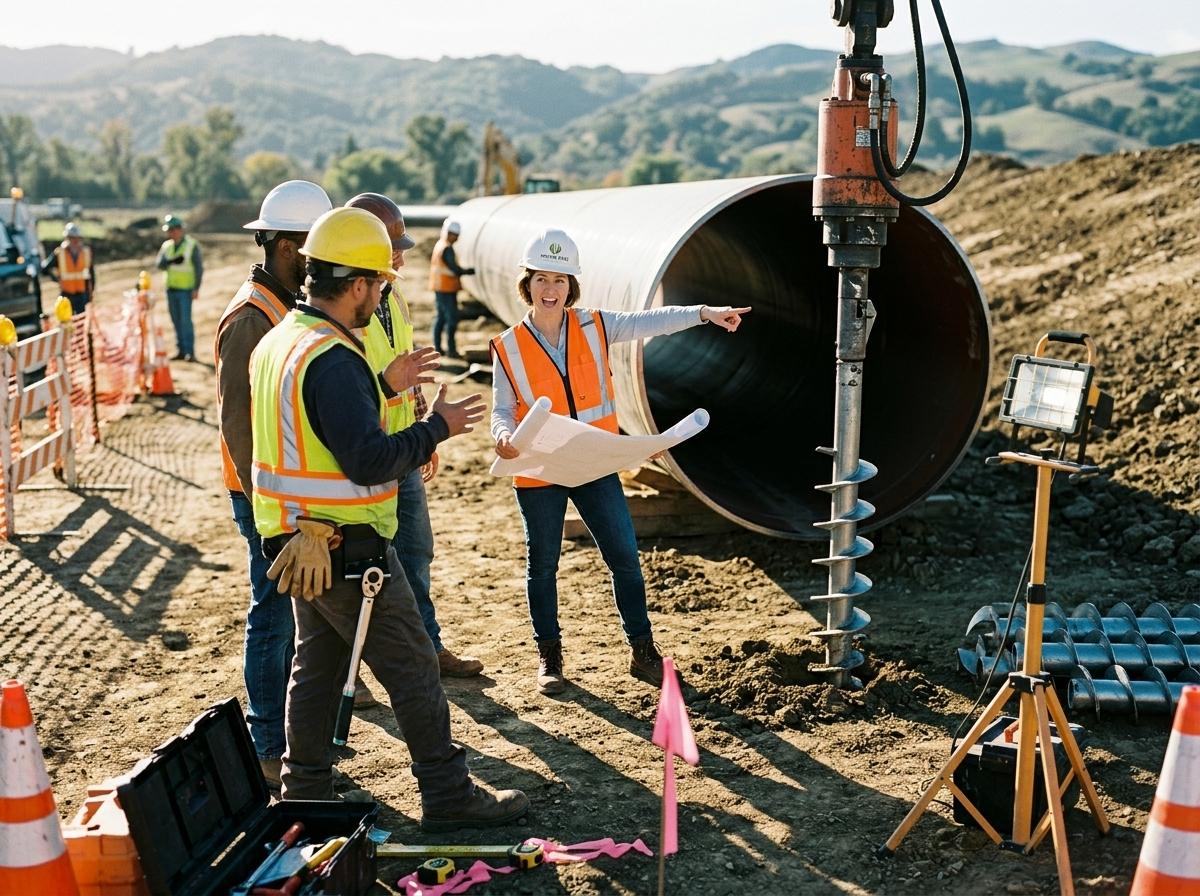
Understanding the unique benefits of helical piles can make all the difference in challenging ground conditions.
Benefits in Reactive Clays
Helical piles are particularly advantageous in reactive clays. These soils expand and contract with moisture changes, posing risks for traditional foundations.
By screwing into stable layers below the reactive zone, helical piles provide a steady base unaffected by surface fluctuations. This stability reduces maintenance costs and increases the longevity of the structure. Unlike concrete footings, which can crack under pressure, helical piles adapt and maintain their integrity.
Engineers appreciate this adaptability, as it ensures performance even in unpredictable conditions. With helical piles, you can trust that your foundation will endure, providing peace of mind through all seasons.
Performance in Coastal Sands
Coastal sands present unique challenges. Their loose nature can lead to shifting, undermining foundations.
Helical piles excel here too. Their design allows penetration into deeper, more stable layers, anchoring the structure securely. This method minimizes ground disturbance, preserving the delicate coastal ecosystem. The installation process is swift, reducing project timelines significantly.
In coastal environments, where conditions can change rapidly, helical piles offer a flexible and reliable foundation solution. Their ability to adapt makes them ideal for projects in these areas, providing a sturdy base that withstands the test of time.
Applications on Remote Sites
Remote sites often pose logistical challenges. Limited access and harsh conditions make traditional foundations impractical.
Helical piles offer a solution. Their lightweight design and minimal equipment requirements allow for easy transportation and installation, even in the most isolated areas. This flexibility reduces costs and accelerates project timelines, crucial factors in remote construction.
In locations where access is limited and conditions are tough, helical piles prove their worth. They provide a foundation solution that ensures stability and performance without the need for extensive infrastructure or heavy machinery.
Design and Installation Considerations
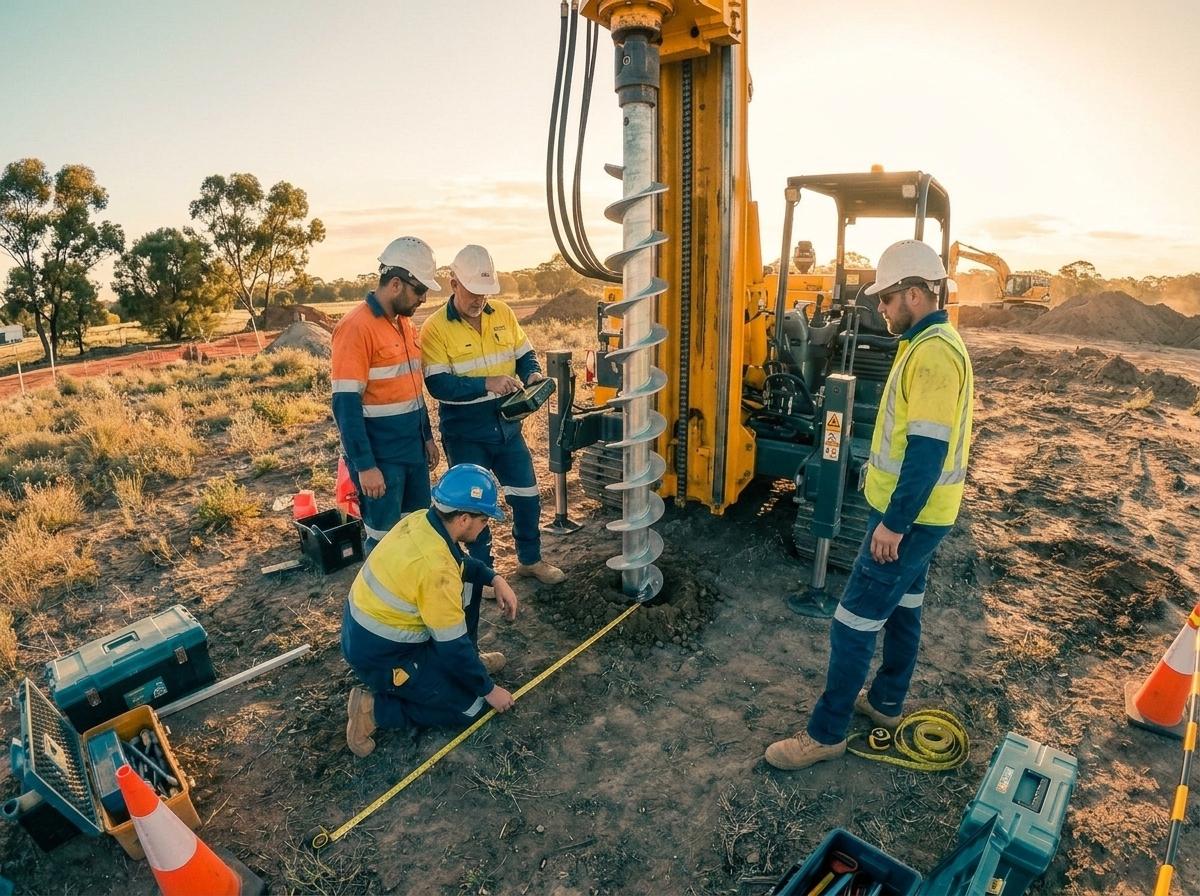
Compliance with standards and understanding specific methods ensures a successful foundation project.
AS2159 Compliance
AS2159 sets the standard for piling design and installation in Australia. Compliance with these guidelines ensures safety and performance.
This standard outlines the necessary steps for design, testing, and quality assurance, ensuring all foundations meet the required specifications. Following these guidelines not only ensures structural integrity but also reduces the risk of future issues, providing confidence in the foundation’s capability.
For engineers and project managers, adhering to AS2159 is a non-negotiable step. It guarantees that the foundation system will perform as expected, providing a secure base for any structure.
Torque Correlation Method
The torque correlation method is a key component in helical pile installation. It links the torque required during installation to the load-bearing capacity of the pile.
This method allows for real-time assessment of pile performance, ensuring each pile meets the necessary specifications. By monitoring torque levels, engineers can adjust the installation process, ensuring optimal performance and reducing the risk of failure.
Using this method provides a reliable measure of pile capacity, ensuring that each foundation is capable of supporting the intended load, offering peace of mind and structural assurance.
Environmental Impact and Site Suitability
Minimizing environmental impact is a critical consideration in foundation design. Helical piles offer a low-impact solution, reducing ground disturbance and preserving natural habitats.
Their installation process is less invasive than traditional methods, making them suitable for environmentally sensitive areas. Additionally, their adaptability to various soil conditions ensures a fit for a wide range of sites.
By choosing helical piles, you opt for a foundation system that respects the environment and provides a stable, reliable base. This choice supports sustainable construction practices, balancing development with ecological preservation.
Frequently Asked Questions
What makes helical piles suitable for reactive clays?
Helical piles bypass the reactive clay layer, anchoring in stable soil, reducing the risk of movement and damage.
How do helical piles perform in coastal sands?
Their design allows them to reach deeper stable layers, providing a firm foundation without extensive excavation.
Why are helical piles ideal for remote sites?
Helical piles are lightweight, require minimal equipment, and install quickly, making them perfect for isolated and challenging locations.
What is the torque correlation method?
This method measures the torque during installation to estimate the load-bearing capacity of helical piles, ensuring performance.
How do helical piles minimize environmental impact?
They require less excavation and ground disturbance, preserving natural habitats while providing a stable foundation.
Explore how patented tech sets us apart in foundation solutions.