Traditional foundation methods often stall solar, pipeline, and transmission projects with lengthy excavation and curing times. Efficient helical pile installation cuts these stages, compressing construction programs by up to 50%. By delivering immediate load capacity and predictable performance in Australian soils, screw pile foundations reduce risks and keep your project timeline on track. Let’s explore how adopting engineered helical piles can streamline your next infrastructure project. For more detailed information, visit Helical Piles Australia.
Streamlining Installation for Project Efficiency
When it comes to keeping projects on track, nothing beats a system that saves time and reduces headaches. Helical piles do just that by slashing installation times.
Reducing Delays with Helical Piles
Helical pile installation can cut your project schedule in half. Unlike traditional methods that bog down with curing delays, helical piles offer immediate load capacity. This means once a pile is in place, you can move forward without waiting. Plus, the process involves less ground disturbance, which helps maintain site integrity. If you’re planning a solar farm or pipeline, these savings translate into staying on schedule and budget. Most people think that traditional concrete footings are the only way to ensure stability, but helical piles challenge that assumption by being both swift and reliable.
Immediate Load Capacity Benefits
Immediate load capacity changes the game for construction projects. With screw piles, you don’t need to wait for concrete to cure. As soon as they’re installed, you can start building. This capability is crucial for projects in remote locations where time is money. By removing the wait, you reduce project risk and accelerate timelines. Imagine cutting weeks off your construction schedule just by switching your foundation method. It’s not just about speed; it’s about precision and reliability.
Comparing Screw Piles vs Concrete Footings
Choosing between screw piles and concrete footings affects your project timeline and environmental impact. Screw piles are installed quickly, without the mess of excavation and curing. They disturb less ground, preserving the natural landscape. Conversely, traditional concrete footings require extensive prep and more time for curing. A simple table comparison shows the advantages:
Aspect | Screw Piles | Concrete Footings |
|---|---|---|
Installation Time | Fast | Slow |
Load Capacity | Immediate | Delayed |
Ground Disturbance | Minimal | High |
Environmental Impact | Lower | Higher |
Technical Advantages of Helical Piles
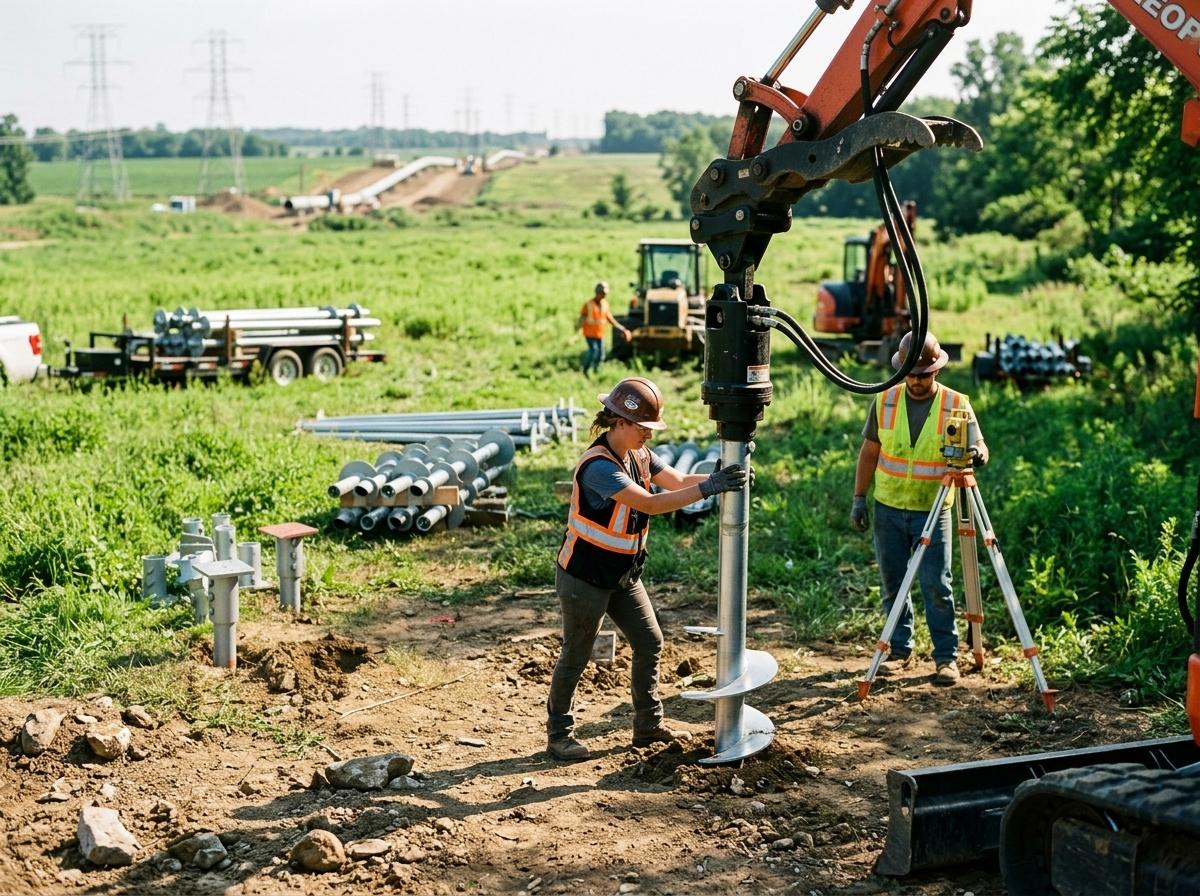
Streamlined installation isn’t the only benefit. Helical piles also offer technical advantages that ensure long-term project success.
Real-Time Torque Monitoring
Real-time torque monitoring offers a significant edge in quality assurance. As each helical pile is installed, the torque is measured, providing instant feedback on load capacity. This method ensures that every single pile meets the necessary standards before moving on. Think of it as a real-time check that brings peace of mind. With this technology, you can verify the performance of your foundation as it’s being built, reducing the need for post-installation corrections.
Minimizing Ground Disturbance
One of the standout features of helical piles is their ability to minimize ground disturbance. Traditional methods often involve heavy excavation, which can disrupt the surrounding environment. Helical piles screw directly into the ground, preserving the site’s natural state. This approach is ideal for environmentally sensitive areas or projects in remote landscapes. By maintaining the integrity of the site, you avoid the additional costs and environmental concerns associated with extensive excavation.
Corrosion Protection Strategies
Corrosion is a concern for any foundation system, but helical piles offer robust solutions. With hot-dip galvanizing, the steel is coated to protect against corrosion, ensuring long-term durability. For more aggressive soil environments, additional protective measures like epoxy coatings or cathodic protection can be employed. These strategies help extend the life of your foundation, making helical piles a smart investment in areas with challenging soil chemistry.
Customizing Solutions for Australian Soils
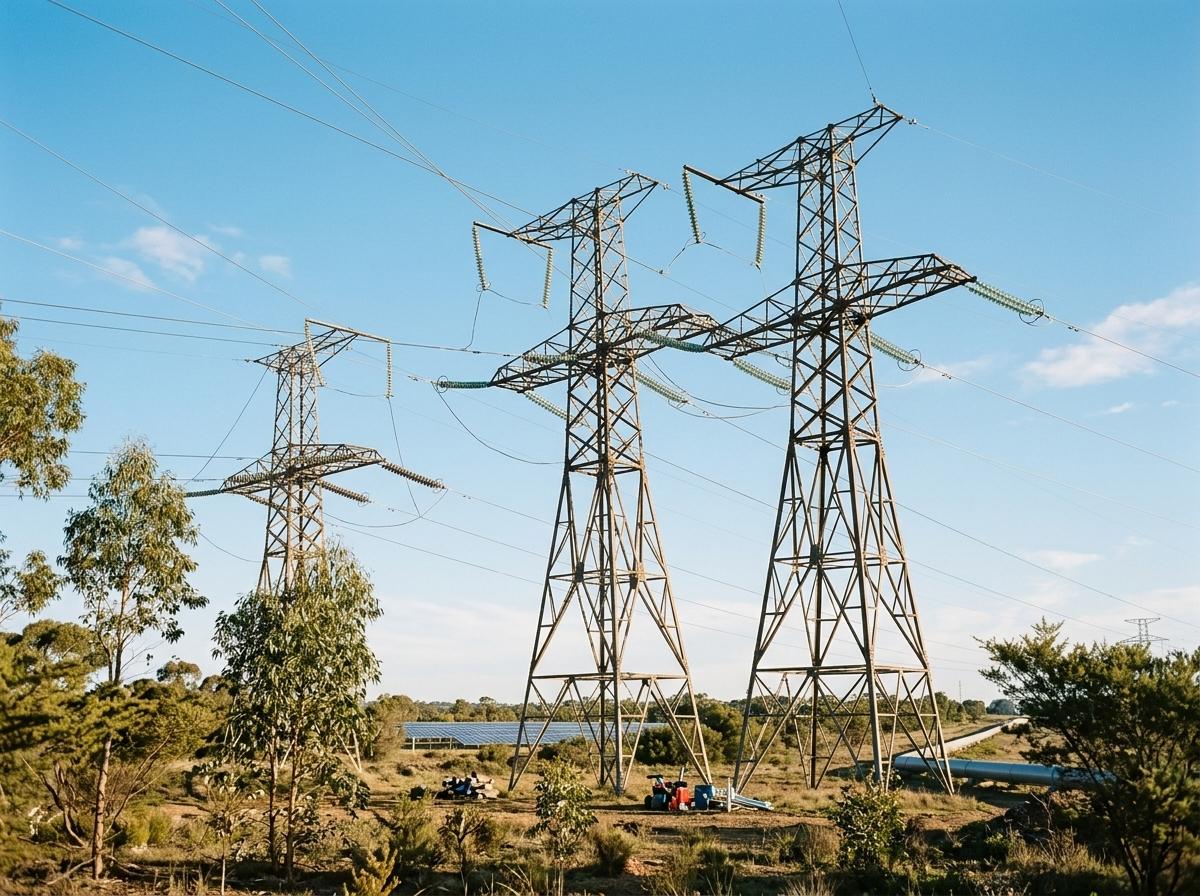
Every project site is unique, especially when dealing with Australian soils. Customizing your approach ensures your foundation performs optimally.
Adapting to Reactive Clay and Coastal Sand
Reactive clay and coastal sand present unique challenges, but helical piles can adapt. For reactive clay, proper helix design and installation torque ensure stability and performance. In coastal sand, the depth and angle of installation are adjusted to maintain load capacity and minimize shift. By tailoring the installation to the soil type, you ensure the longevity and reliability of your foundation.
Addressing Weathered Rock Challenges
Weathered rock can be tough to manage, but with the right approach, helical piles can still succeed. Pilot drilling through challenging layers or selecting appropriate pile configurations helps navigate these obstacles. This flexibility allows you to maintain project momentum without compromising on foundation integrity. It’s all about adapting the solution to the soil conditions at hand.
Ensuring Compliance with AS 2159 Standards
Compliance is non-negotiable in construction, and helical piles align with AS 2159 standards. This assurance means your project meets Australian regulatory requirements for foundation design and installation. By choosing helical piles, you not only ensure compliance but also benefit from a system designed to work with the country’s unique soil challenges. Compliance coupled with performance makes helical piles a reliable foundation choice.
Frequently Asked Questions
What are the main benefits of helical piles?
Helical piles offer fast installation, immediate load capacity, reduced ground disturbance, and excellent adaptability to various soil conditions, making them ideal for projects with tight timelines or environmental concerns.
How does real-time torque monitoring work?
Real-time torque monitoring measures the torque applied during installation, providing instant feedback on each pile’s load capacity, ensuring it meets the necessary standards immediately.
Are helical piles suitable for all soil types?
Helical piles are highly adaptable and can be customized for different soil types, including reactive clay and coastal sand. However, in solid rock or heavily cobbled areas, alternative solutions may be necessary.
How do helical piles compare to concrete footings environmentally?
Helical piles have a lower environmental impact than concrete footings due to minimal ground disturbance and reduced excavation, preserving the natural landscape.
What corrosion protection strategies are used for helical piles?
Helical piles typically use hot-dip galvanizing for corrosion protection, with additional options like epoxy coatings or cathodic protection for more aggressive soil environments.