Australian infrastructure projects often face foundation challenges that can delay timelines and inflate costs. Variable soils, reactive clays, and coastal sands create uncertainty that traditional methods struggle to overcome. Helical piles Australia offers engineered screw pile systems designed for rapid installation and verified capacity, reducing risk in these tough conditions. In this post, you’ll learn how our patented technology and real-time torque monitoring support AS 2159 compliance while delivering dependable, low-impact foundations. For more information, visit this link.
Common Foundation Challenges
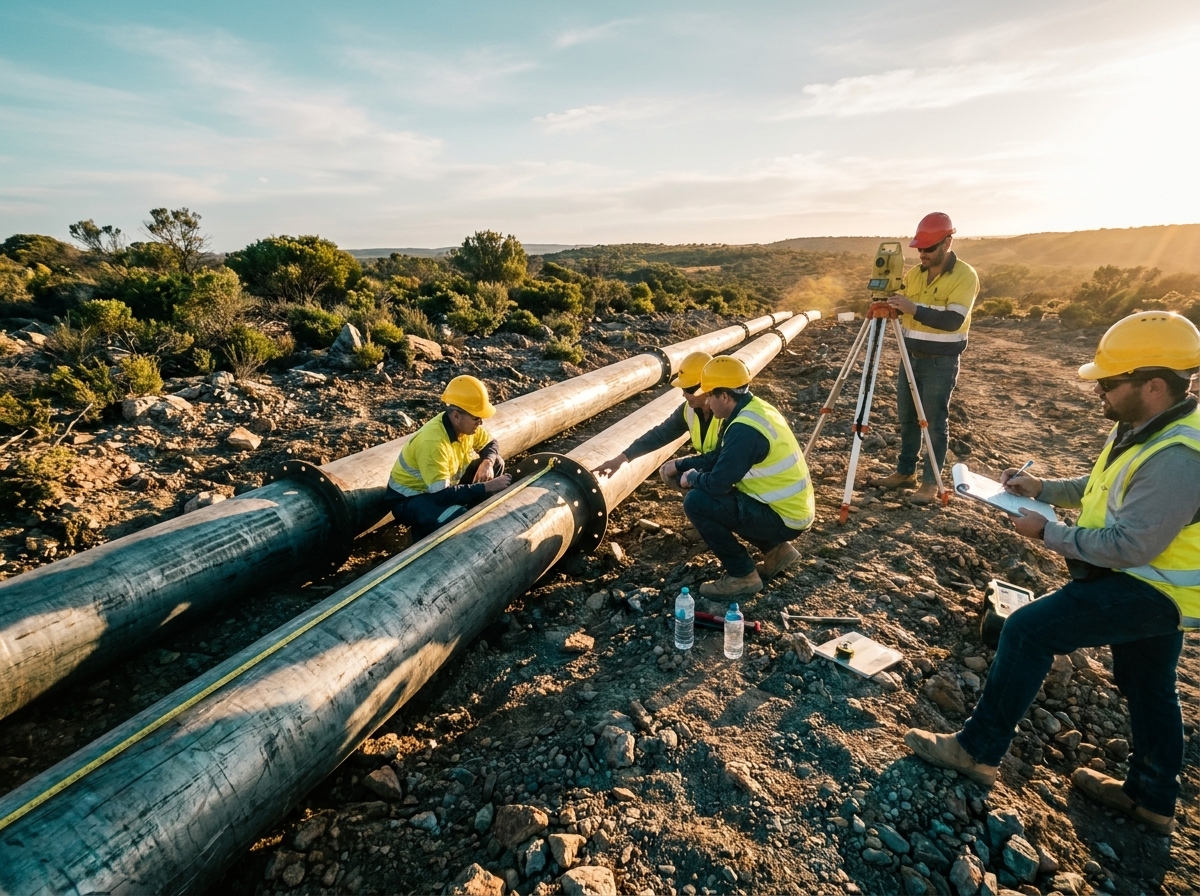
In the diverse terrains of Australia, infrastructure projects often encounter specific challenges that demand innovative solutions. Let’s explore some of the most common foundation challenges and how they impact construction projects.
Variable and Reactive Soils
One of the biggest challenges in Australian construction is dealing with variable and reactive soils. These soil types can cause significant structural issues if not properly addressed. Reactive soils, rich in clay, expand and contract with moisture changes, leading to ground movement. This movement can damage foundations, resulting in costly repairs. In addition, variable soils can have inconsistent bearing capacities, making it difficult to predict how they will support structures.
To overcome these issues, it’s crucial to employ solutions that adapt to these changing conditions. Traditional methods often fall short, leaving structures vulnerable to damage. By investing in the right technology, projects can avoid these pitfalls and ensure long-term stability.
Coastal Sand Bearing Capacity
Coastal areas present their own set of challenges, particularly when it comes to sand bearing capacity. Coastal sands can be loose and lack the necessary cohesion to support heavy loads. This can lead to foundation settlement or even failure. It’s essential to have a solution that can provide the required stability without causing environmental disruption.
Many assume that additional materials or deeper digging are the only answers. However, innovative methods can provide the needed support without excessive excavation. By choosing the right foundation system, you can safeguard your project against these common coastal issues.
Remote Access Installation
Projects in remote locations face logistical challenges that impact installation. Remote sites often lack the infrastructure needed to support traditional construction methods. Transporting heavy equipment and materials can be expensive and time-consuming. Moreover, weather conditions can further complicate installations, causing delays.
Accessing these sites requires a flexible approach that minimizes the need for large machinery. By selecting a method that is lightweight and easy to transport, you can streamline the process and maintain your timeline. This not only saves time but also reduces costs, making remote projects more feasible.
Helical Piles: The Reliable Solution
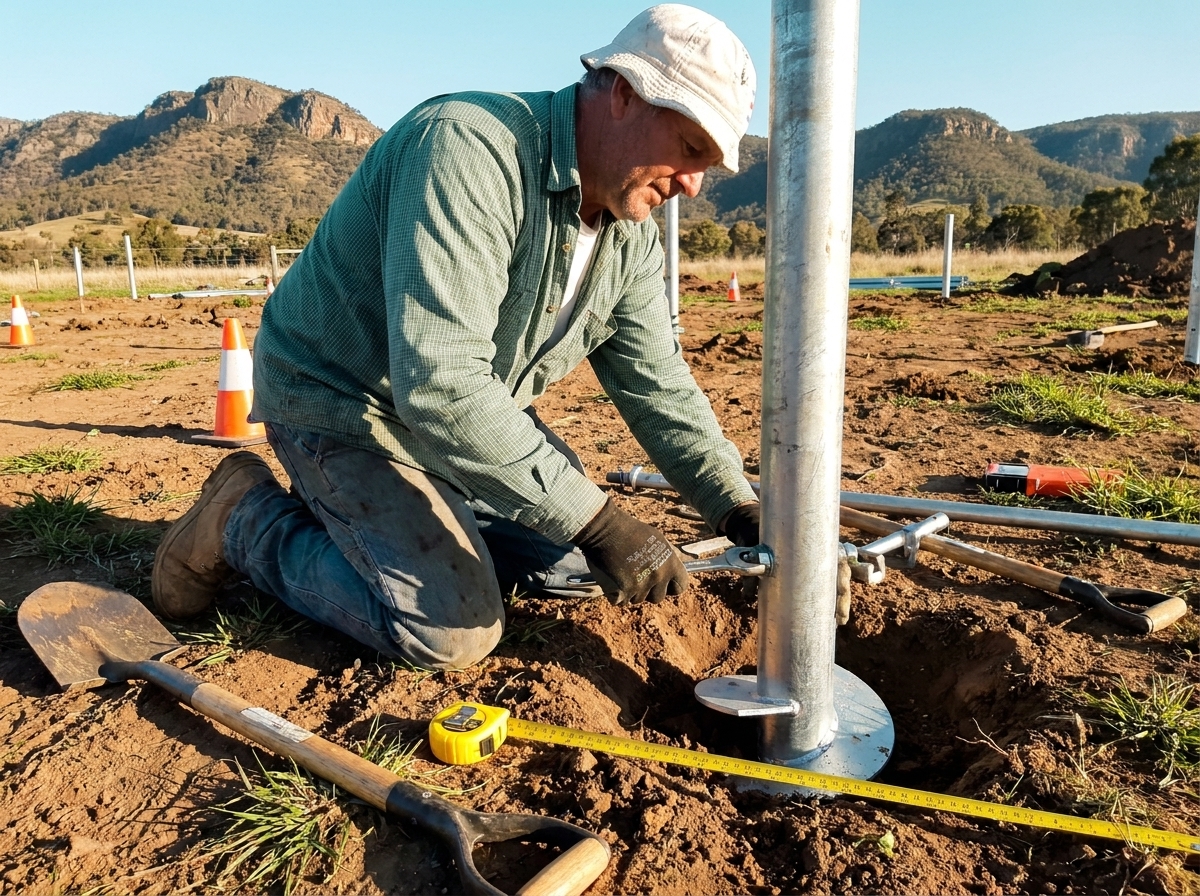
Helical piles offer a dependable solution to the foundation challenges faced in Australian infrastructure projects. Let’s dive deeper into how these systems are engineered to tackle these issues head-on.
Screw Piles for Australian Conditions
Helical piles, also known as screw piles, are specifically designed to perform in Australia’s varied conditions. Their unique design allows them to be installed in a variety of soils, including reactive clays and coastal sands. These piles are screwed into the ground, providing immediate support without the need for curing time. This means you can move forward with construction without delays.
By using helical piles, you are choosing a system that adapts to the ground it’s placed in. This adaptability ensures that your foundation is as solid as possible, no matter the soil type. As a result, you can proceed with confidence, knowing that your project is built on a reliable base.
AS 2159 Compliance and QA
Compliance with standards is crucial for any construction project, and helical piles are no exception. These systems are designed to meet AS 2159, ensuring they adhere to Australian standards for safety and reliability. Real-time torque monitoring during installation verifies that each pile meets the required specifications.
This level of quality assurance is unmatched, providing peace of mind that your foundation is secure. Knowing that your project complies with rigorous standards allows you to focus on other aspects of construction without concern for structural integrity.
Torque Correlation to Capacity
One of the key benefits of helical piles is their ability to correlate torque to capacity. This means that as each pile is installed, the resistance encountered provides real-time data on its load-bearing capacity. This ensures that every pile is installed to the precise specifications needed for your project.
This direct correlation between torque and capacity eliminates guesswork, providing a level of precision that traditional methods can’t match. With this approach, you can be confident that your foundation is both strong and secure, ready to support your infrastructure needs.
Benefits of Helical Piles
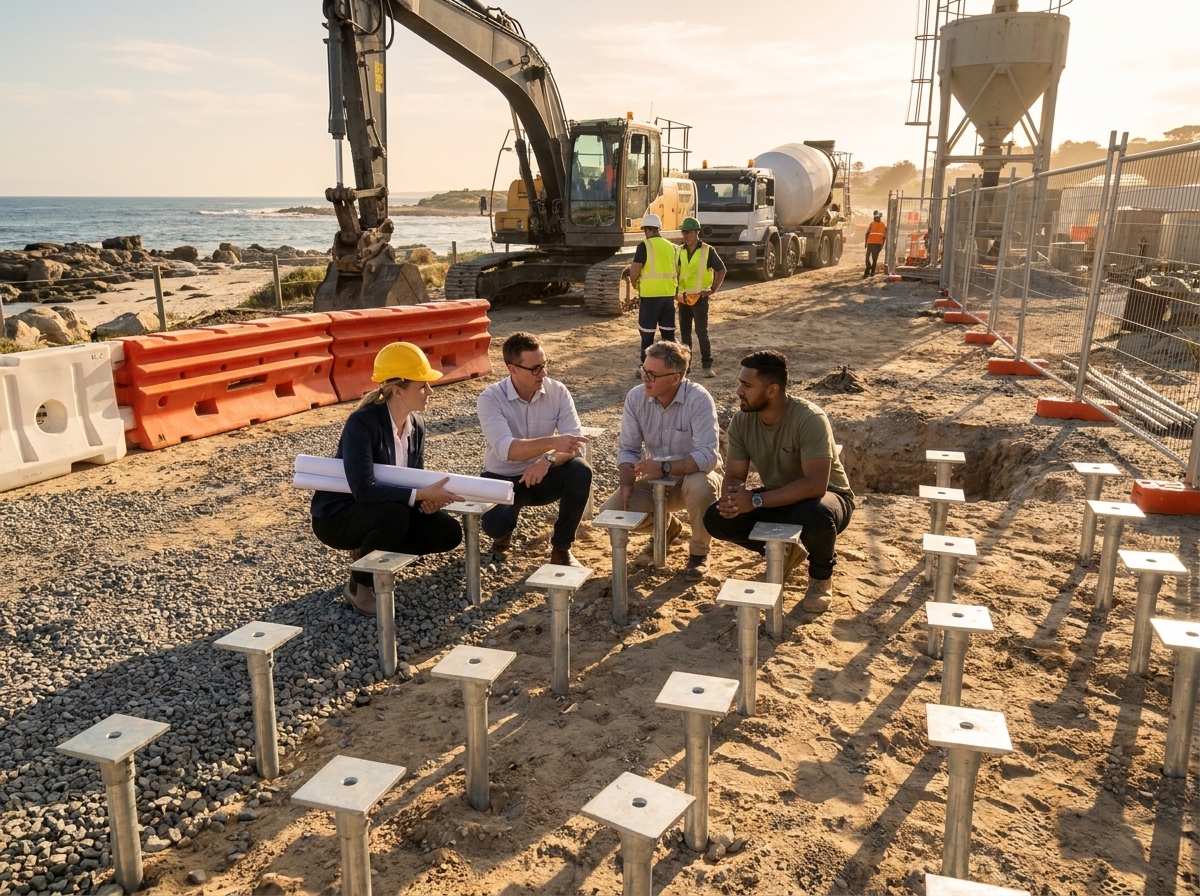
Helical piles provide numerous advantages that make them the ideal choice for Australian infrastructure projects. Here are some key benefits that set them apart.
Rapid Foundation Installation
One of the most significant advantages of helical piles is the speed of installation. Unlike traditional foundations, helical piles require no curing time, which means construction can begin immediately after installation. This rapid process significantly reduces project timelines and minimizes labor costs.
For projects under tight deadlines, this speed is invaluable. Faster installation means quicker project completion, allowing you to move on to the next phase without delay. By choosing helical piles, you ensure that your project stays on schedule and within budget.
Minimal Spoil Construction
Helical piles offer a low-impact solution by minimizing spoil during installation. The process involves screwing the piles into the ground, which means there’s no need for extensive excavation. This approach reduces the amount of displaced soil, preserving the environment around your project.
This minimal impact is particularly beneficial for projects in sensitive areas where environmental preservation is paramount. By choosing helical piles, you not only meet your project needs but also respect the natural landscape.
Corrosion Protection Galvanised Piles
Long-term durability is a key consideration for any foundation system. Helical piles are often galvanized to protect against corrosion, extending their lifespan significantly. This protective coating ensures that the piles remain strong and effective, even in harsh environmental conditions.
Corrosion protection is essential for maintaining the integrity of your foundation over time. By opting for galvanized helical piles, you invest in a solution that will support your structure for decades, providing peace of mind and reducing maintenance costs.
In conclusion, helical piles offer an innovative and reliable solution to common foundation challenges in Australian infrastructure projects. By addressing issues like variable soils, coastal sand capacities, and remote access, these systems ensure that your project is built on a solid foundation. For more insights and detailed information, explore this article.
Learn how to avoid costly foundation failures with expert insights.