Conventional piling often shapes the foundation of Australian infrastructure projects, but it brings challenges in cost, schedule, and site constraints. You need a clear way to compare conventional piling vs helical piles that factors in geotechnical risk, environmental impact, and compliance with AS 2159. This guide breaks down what matters most, helping your team choose deep foundation solutions that deliver program certainty and low-risk performance across diverse soils and project types. Read more.
Comparing Conventional and Helical Piles
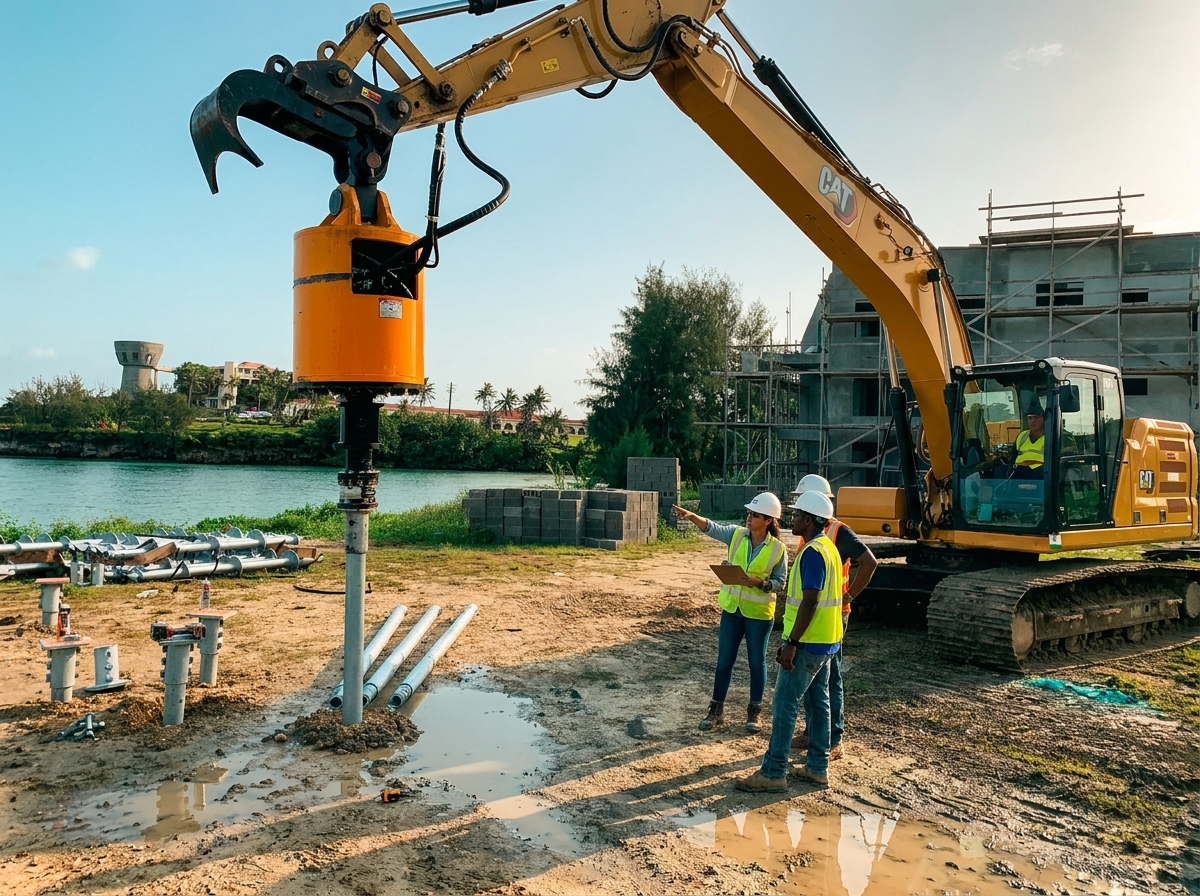
Let’s begin by exploring the key aspects of cost and schedule when comparing conventional and helical piles. Each has its own merits and challenges that can affect your project’s timeline and budget.
Cost and Schedule Considerations
When considering cost and schedule, helical piles often emerge as a compelling choice. They can be installed up to 50% faster than conventional methods. This quick installation not only reduces labor costs but also minimizes project delays. Most conventional systems, like bored piles and driven piles, require extensive site preparation. Helical piles, on the other hand, need no concrete curing time, saving both time and money.
For projects where time is critical, helical systems can offer significant advantages. Unlike traditional methods, they provide immediate load-bearing capacity. This eliminates the waiting period required for concrete to cure. The efficiency of helical piles makes them suitable for projects needing fast turnaround, such as solar farms or emergency infrastructure repairs.
Geotechnical Risk and Environmental Impact
Geotechnical risks can pose significant challenges. Helical piles present a lower risk due to their minimal soil disturbance. They adapt well to varied soil types, including reactive clay and coastal sand. This flexibility reduces the likelihood of unexpected surprises during installation. Conventional piles, in contrast, often face issues with soil variability, which can lead to increased costs and time delays.
From an environmental perspective, helical piles are more eco-friendly. They produce less waste and require no excavation spoils. This makes them ideal for projects in sensitive environments or areas with strict environmental regulations. The reduced ground disturbance also means fewer disruptions to local ecosystems, making them a responsible choice for developers focused on sustainability.
Access Constraints and Compliance
Access constraints can be a major hurdle in construction projects. Helical piles have the advantage here as well. Their lightweight nature allows them to be used in tight spaces and remote locations where larger equipment cannot reach. This is particularly beneficial for projects in urban areas or rugged terrains.
In terms of compliance, helical piles meet the stringent requirements of AS 2159. They offer real-time quality assurance through installation torque monitoring. This ensures that the piles are installed correctly and are capable of bearing the intended loads. This level of compliance is crucial for maintaining structural integrity and safety standards in any construction project.
Detailed Analysis of Pile Types
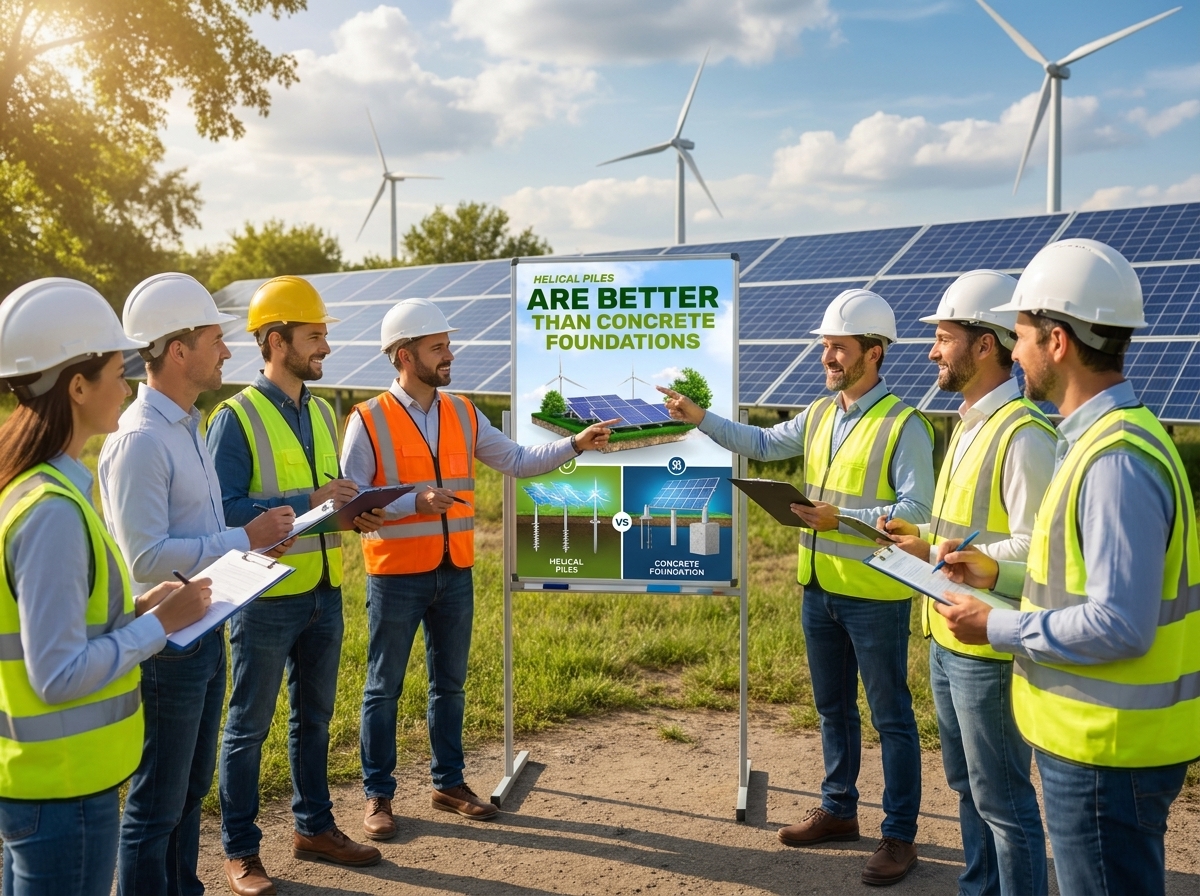
Understanding the differences between pile types can guide your decision on which foundation system to choose. Let’s delve into the specifics of each type to uncover their unique characteristics and benefits.
Bored, Driven, and CFA Piles
Bored piles are a common choice for deep foundations. They involve drilling into the ground and filling the hole with concrete. While effective, this process is time-consuming and costly. It requires significant site preparation and can be delayed by weather conditions. Driven piles, on the other hand, are hammered into the ground and are faster to install but can be noisy and disruptive.
CFA (Continuous Flight Auger) piles offer a middle ground. They are installed by drilling and simultaneously filling with concrete through a hollow stem auger. This method reduces noise but still involves extensive machinery and site disruption. All these methods face limitations in rocky or uneven terrain, where helical piles can be a more adaptable solution.
Helical Piles and Screw Piles Australia
Helical piles, or screw piles, provide flexibility and adaptability. They are installed by screwing into the ground, requiring no concrete and causing minimal site disruption. In Australia, these piles are gaining popularity due to their efficiency and adaptability to diverse soil conditions. They excel in challenging terrains where conventional methods struggle.
The adaptability of helical piles makes them ideal for projects with varying site conditions. They can be installed in wet or dry soils without delays, making them a reliable choice across Australia. This versatility, combined with cost predictability, positions them as a preferred alternative for many developers.
Torque Correlation and Real-Time Monitoring
One of the standout features of helical piles is the torque correlation method. This technique provides a direct link between the installation torque and the pile’s load capacity. It ensures real-time monitoring and quality assurance on-site. This real-time data allows engineers to confirm that the piles are correctly installed and capable of supporting the desired loads.
Real-time monitoring enhances the reliability of helical piles. It offers peace of mind, knowing that each pile meets the necessary standards for safety and performance. This method of installation is not only efficient but also ensures compliance with AS 2159 standards, which is crucial for any construction project.
Practical Applications and Benefits
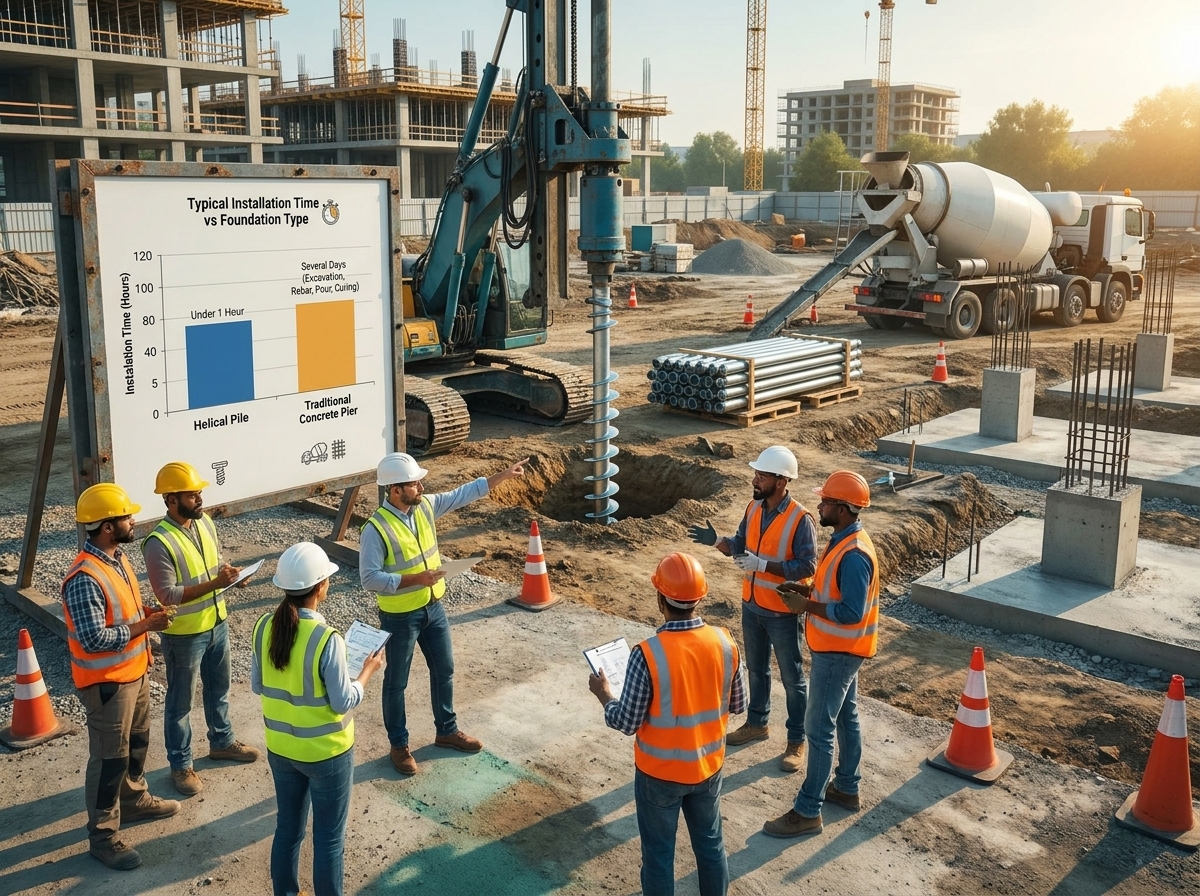
The versatility of helical piles extends beyond their installation. They offer practical benefits across various applications, making them a smart choice for modern construction needs.
Solar Farm Foundations and Pipeline Supports
Helical piles are particularly effective for solar farm foundations. They provide quick and stable installations, even in remote locations. The ability to install in all weather conditions ensures that projects stay on schedule. This makes them ideal for solar developers looking to reduce timelines and costs.
For pipeline supports, helical piles offer stability and corrosion resistance. They are engineered to handle shifting soils and long-distance spans. This makes them a reliable choice for oil and gas projects across Australia’s diverse terrains. Their fast installation and immediate load capacity ensure that projects progress smoothly without delays.
Transmission Line Footings and Uplift Resistance
Transmission lines require foundations that can withstand uplift forces and varying loads. Helical piles offer excellent uplift resistance, making them perfect for transmission line footings. Their rapid installation and real-time monitoring ensure that these critical infrastructures are secure and reliable.
By choosing helical piles, you ensure that your transmission projects have the support they need to handle challenging conditions. This choice not only improves safety but also enhances the longevity of the installation, providing lasting value.
Remote Access and Low Carbon Solutions
In areas with limited access, helical piles shine. Their lightweight design allows for transport to remote locations without heavy machinery. This makes them an ideal choice for projects in hard-to-reach areas. Additionally, their low carbon footprint aligns with sustainable construction practices, making them a responsible choice for environmentally conscious developers.
The longer you wait to explore helical piles, the more you miss out on these benefits. By considering them for your next project, you embrace a solution that offers program certainty, cost predictability, and minimal environmental impact. Helical Piles Australia stands ready to support your infrastructure needs with innovative, reliable, and efficient foundation solutions.
Learn more about how helical piles compare to traditional methods.
Avoid foundation pitfalls – explore better alternatives today.