Traditional concrete foundations often stall projects with long curing times and unpredictable costs. If you manage infrastructure in Australia, you know how those delays add up—especially in remote or difficult soils. Helical piers cut installation time by up to 50%, offering clear savings beyond just upfront price. In this post, you’ll get a detailed look at helical piers cost, key pricing factors, and how faster installation slashes total project spend.
Key Pricing Drivers for Helical Piers
Understanding the cost of helical piers involves several components. Let’s dive into the factors that drive these costs and how they compare to traditional options.
Factors Influencing Costs
Helical piers come with various cost factors. First up: the type of soil at your site. Softer soils may require longer piers, increasing material costs. Conversely, rocky grounds might need specialized equipment, raising labor expenses. Next, consider the size of your project. Larger projects can benefit from bulk pricing, but they also need more logistics planning.
Moreover, the complexity of installation plays a role. Difficult-to-access sites or those with environmental restrictions might incur extra costs. Thus, smart planning can help manage these expenses.
Comparing Helical Piles and Concrete
When it comes to price, helical piles often offer a competitive edge. Concrete foundations require extensive curing time, which can delay your project. This means more labor hours and potential for cost overruns. In contrast, helical piles are installed quickly, sometimes in just a day. This efficiency translates to savings on both labor and equipment use.
Additionally, helical piles require fewer resources. There’s no need for large-scale excavation or heavy machinery, cutting down on both cost and environmental impact. By choosing helical over concrete, you not only save money but also reduce project complexity.
Project-Specific Cost Variables
Every project is unique, and so are its cost variables. For instance, remote locations might face higher transport costs for materials and labor. Yet, the rapid installation of helical piles can offset these expenses. Another factor is the need for torque verification. Although this adds to upfront costs, it ensures long-term stability and safety, ultimately protecting your investment.
Consider also the impact of weather on your timeline. Helical piles can be installed in various conditions, unlike concrete that depends on dry weather. This flexibility prevents costly delays, keeping your project on track.
Installation and Total Cost Benefits
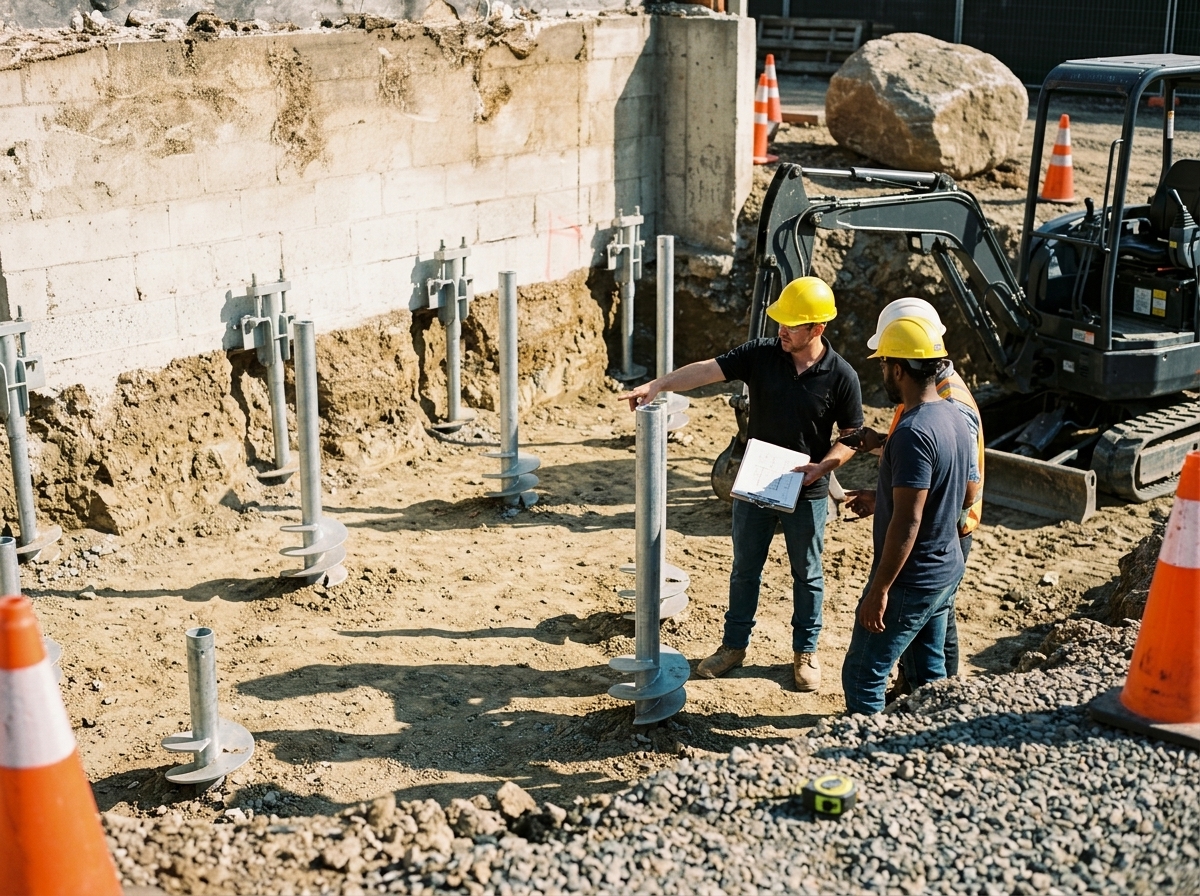
Beyond just pricing, helical piers present significant installation and overall cost benefits, driving value for your project.
Faster Installation Advantages
The quick installation of helical piles means less downtime for your project. Traditional foundations may take weeks to cure, while helical piles can be ready within hours. This speed not only shrinks your timeline but also reduces labor costs. Faster completion allows you to move on to the next phase without delay, enhancing project efficiency.
In addition, rapid installation minimizes site disruption. This is crucial in environments where maintaining natural conditions is essential. With less equipment and manpower on site, you can maintain a low-profile operation that aligns with environmental standards.
Torque Verification Cost Savings
Torque verification is a critical part of helical pile installation. It ensures each pile meets specific load requirements, boosting confidence in the foundation’s performance. While this adds a layer of cost, it mitigates risks of structural failure, avoiding costly repairs down the line.
Moreover, this verification process is straightforward and non-invasive. You gain assurance of quality without extensive testing procedures. This efficiency keeps both the budget and schedule in check, offering peace of mind with each pile installed.
Reducing Overall Project Costs
Choosing helical piles can significantly cut overall project expenses. The reduced need for heavy machinery and manual labor lowers direct costs. Furthermore, the quick installation means less idle time, which keeps your budget lean.
Additionally, helical piles eliminate the unpredictability of weather-related delays. With no curing time required, you can build immediately after installation. This resilience to weather variations saves you money and stress, allowing for more accurate project planning.
Practical Applications in Australian Projects
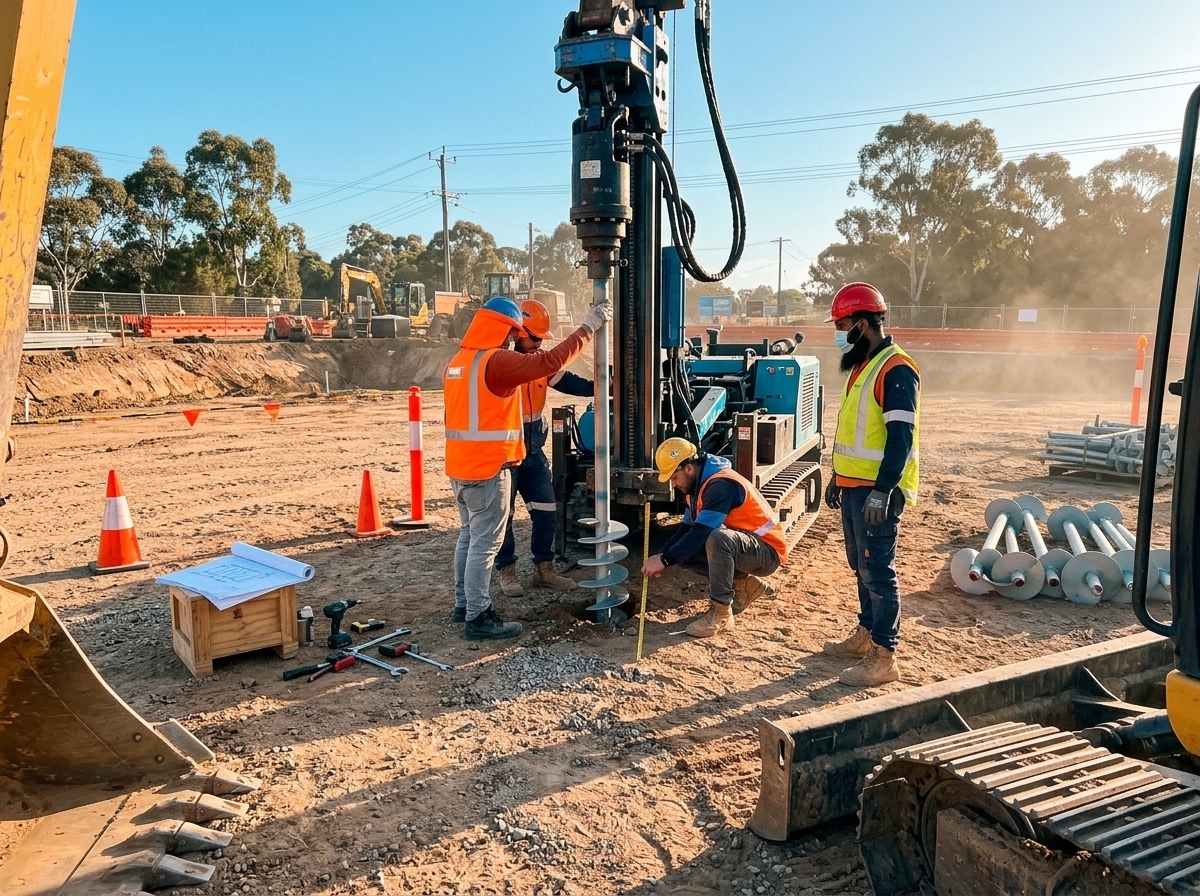
Helical piers are versatile, finding practical use in various Australian infrastructure projects. Let’s explore some common applications.
Solar Farm Foundation Costs
In the realm of solar energy, helical piles shine. Their ability to handle uneven terrain and remote locations makes them ideal for solar farms. The cost benefit is clear: minimal site disturbance and quick installation mean lower labor costs and faster project timelines. Plus, their adaptability ensures a solid foundation, critical for long-term success in renewable energy projects.
Moreover, using helical piles supports your sustainability goals. With a reduced environmental footprint, you align with green building practices, enhancing your project’s appeal to eco-conscious stakeholders.
Pipeline Support Cost Considerations
For pipeline projects, stability is key. Helical piles provide robust support, handling ground shifts and pressure changes. This reliability comes with cost savings: reduced excavation needs and quick deployment cut down on expenses. Additionally, their resistance to corrosion ensures longevity, decreasing maintenance costs over time.
In challenging terrains, helical piles allow for precise placement without extensive groundwork. This precision not only saves money but also preserves the natural landscape, a significant advantage for environmentally sensitive projects.
Remote Site Foundation Pricing
Working in remote areas presents unique challenges. Transporting materials and labor can be costly. However, helical piles simplify logistics with their lightweight design and easy installation. This efficiency translates to savings, making them a smart choice for isolated locations.
Furthermore, their installation requires minimal equipment, reducing the need for heavy transport and complex site preparations. This not only slashes costs but also shortens the project timeline, crucial when working within limited windows in remote environments.
In summary, helical piers offer a cost-effective, efficient solution for modern infrastructure projects. By understanding the cost drivers and benefits, you can better plan and execute your projects, ensuring successful outcomes across diverse applications.
Last chance for 2026 pricing – secure your foundation solutions today.