Traditional concrete footings can slow your project by weeks with excavation and curing time. Helical piles Australia offers a foundation solution that installs up to 50% faster and supports immediate load capacity. You’ll learn how these engineered systems deliver predictable performance across reactive clays, coastal sands, and rock, reducing schedule risk on solar, transmission, and pipeline projects. Learn more here.
Helical Piles in Australian Infrastructure
Faster Installation and Predictable Performance
Helical piles offer a significant advantage in the speed of installation compared to traditional methods. Projects that would otherwise face delays from curing and extensive excavation can now move forward efficiently. By eliminating these hurdles, you can maintain your project schedule while ensuring reliable performance. These piles are installed with precision, allowing for immediate loading, which is crucial for time-sensitive projects.
Helical piles are engineered to adapt to various soil conditions. Whether dealing with reactive clay or sandy environments, they provide consistent results. This adaptability means fewer project interruptions and a smoother construction process. The precision of installation helps in maintaining the integrity of your project without the usual logistical challenges.
Environmental Benefits and Schedule Certainty
With reduced ground disturbance, helical piles present an environmentally friendly alternative. The minimal excavation required helps preserve the surrounding ecosystem, crucial for projects in environmentally sensitive areas. This approach aligns with modern construction practices prioritizing sustainability without compromising on efficiency.
Incorporating helical piles into your project can significantly mitigate schedule risks. The quick setup and immediate load capacity allow for a seamless transition to subsequent construction phases, keeping your project on track. The reduced environmental impact further supports compliance with regulations, streamlining the approval process and preventing delays.
Comparing to Traditional Concrete Footings
Concrete footings may seem familiar, but their drawbacks are substantial. The curing period and extensive site preparation often lead to delays and increased costs. Helical piles eliminate these issues, providing a reliable foundation solution that is faster to install and ready for immediate use.
The differences extend beyond installation speed. Helical piles offer a more flexible approach, adapting to challenging site conditions. They require less equipment and manpower, reducing the overall footprint and logistical complexity of your project. This streamlined process not only saves time but also enhances efficiency across the board.
Technical Advantages of Helical Piles
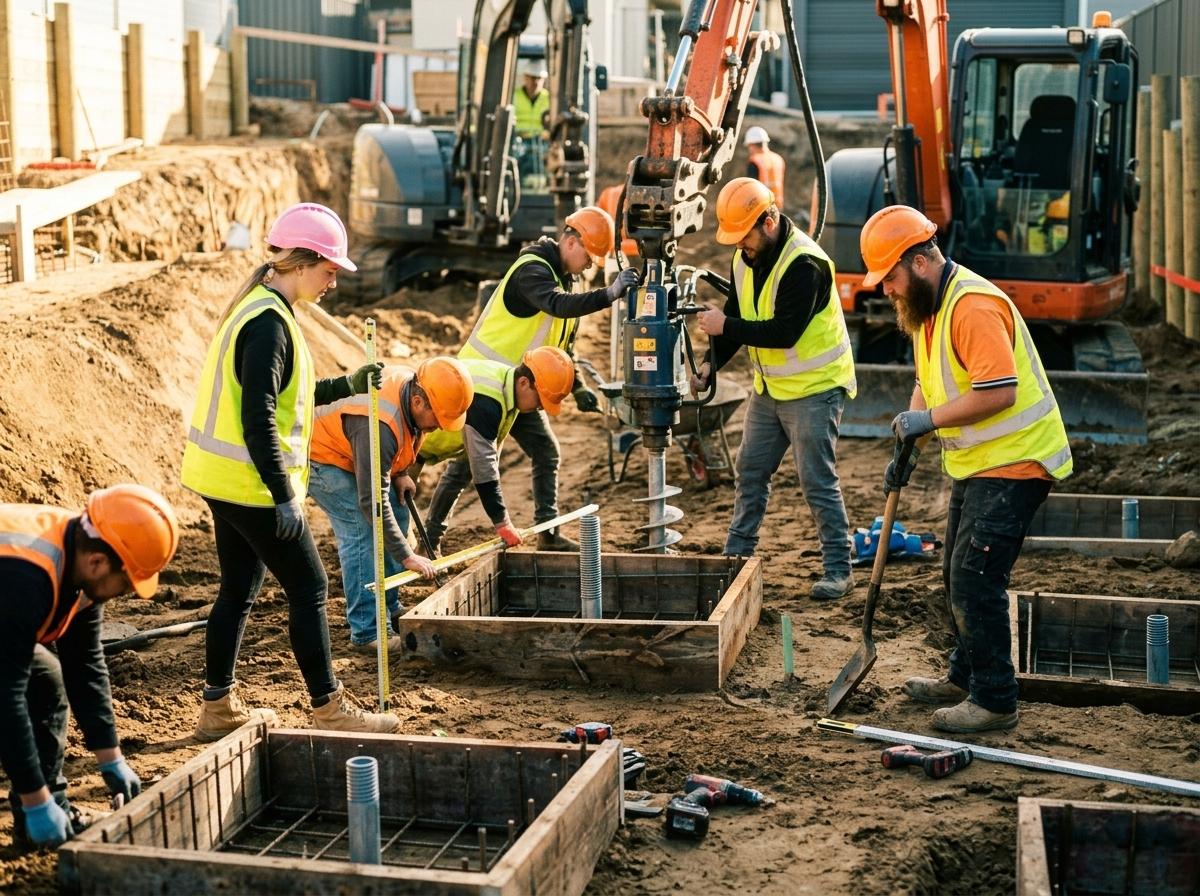
Design Solutions for Diverse Soil Conditions
One of the standout features of helical piles is their ability to adapt to various soil types. From reactive clays to coastal sands, they provide a stable solution that traditional foundations struggle to match. This adaptability ensures that your project remains on schedule, regardless of the ground conditions.
Helical piles are designed to work efficiently in tough conditions. Their installation process involves screwing into the soil, providing a strong anchor even in less than ideal environments. This capability is crucial for projects in remote or challenging locations, where traditional methods might falter.
Torque Monitoring and Immediate Load Capacity
Real-time torque monitoring sets helical piles apart. This feature allows for instant verification of load capacity during installation. With this system in place, you can be confident in the foundation’s strength and reliability from the moment it’s installed.
Immediate load capacity eliminates the waiting period associated with concrete curing. This capability not only speeds up the construction process but also reduces the risk of delays. By using helical piles, you can meet your project’s timeline without sacrificing quality or safety.
Corrosion Protection and Long-Term Durability
Durability is a key concern in foundation construction, and helical piles excel in this area. With corrosion protection methods like hot-dip galvanizing, they offer a robust defense against environmental wear. This protection ensures that the piles maintain their integrity over the long term.
These protection measures are particularly important for projects in corrosive soil environments. By accounting for these conditions during the design phase, helical piles provide a dependable foundation solution that stands the test of time. This longevity supports your project’s sustainability and cost-effectiveness.
Applications and Industry Use Cases
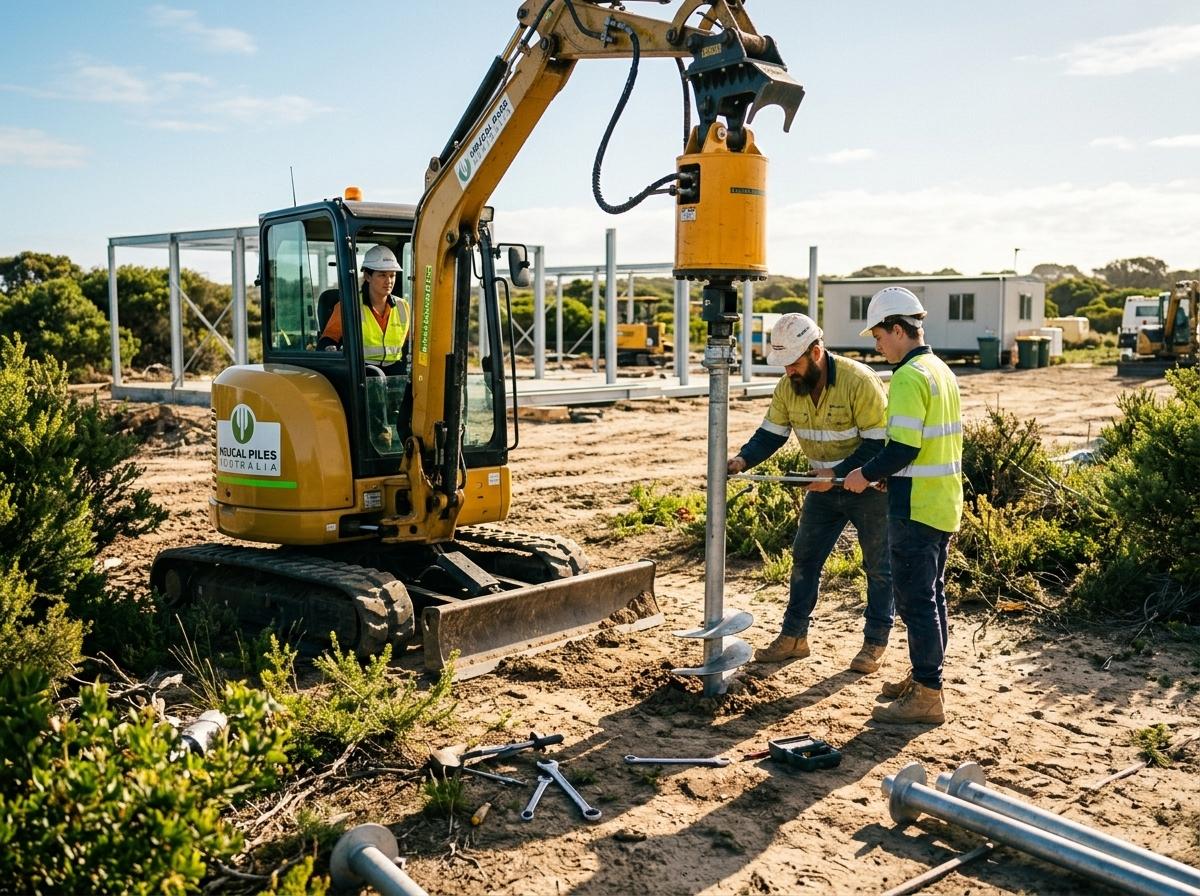
Solar Farm Foundations and Pipeline Supports
Helical piles are ideal for solar farm foundations, offering a quick and reliable solution that aligns with the renewable energy sector’s pace. Their adaptability to various soil types ensures that solar projects can be deployed efficiently, reducing construction times and costs.
In pipeline projects, helical piles provide crucial support. Their resistance to buoyancy and uplift forces makes them suitable for stable anchoring in different terrains. This capability is essential for maintaining pipeline integrity and avoiding disruptions during and after installation.
Transmission Line Footings and Remote Site Installation
Transmission projects benefit from the reduced footprint and quick installation of helical piles. Their ability to perform in remote sites means that even challenging locations can be accommodated without extensive logistical planning.
For remote installations, the reduced need for heavy equipment and minimal site disturbance make helical piles an attractive option. They allow projects to proceed without the usual complications, ensuring timely completion and reliable performance.
Addressing Environmental Impact and Compliance
Helical piles are designed with environmental considerations in mind. Their minimal site disturbance and reduced excavation needs align with modern sustainability goals. This approach not only supports compliance with regulations but also preserves the integrity of the surrounding environment.
By choosing helical piles, you can enhance your project’s environmental credentials while maintaining efficiency. Their design supports a balance between construction needs and ecological preservation, making them a responsible choice for forward-thinking projects.
Frequently Asked Questions
What are helical piles, and how do they differ from traditional foundations?
Helical piles are screw-like steel shafts installed into the ground to provide foundational support. Unlike traditional concrete footings, they require no curing time and offer immediate load capacity, making them faster and more efficient.
How do helical piles perform in different soil conditions?
Helical piles are designed to adapt to various soil types, including reactive clays and coastal sands. Their installation process and design ensure consistent performance across diverse environments.
What are the environmental benefits of using helical piles?
Helical piles reduce ground disturbance and require minimal excavation, which helps preserve the surrounding environment. This approach supports compliance with sustainability regulations and minimizes ecological impact.
Can helical piles be used in remote locations?
Yes, helical piles are well-suited for remote site installations. Their reduced equipment needs and quick setup make them an efficient choice for challenging locations.
What measures are taken to ensure the durability of helical piles?
Helical piles are protected through methods like hot-dip galvanizing, which defends against corrosion. This ensures long-term durability and reliability, even in harsh environmental conditions.