Traditional concrete footings often struggle with Australia’s variable ground conditions, causing project delays and cost overruns. You need a foundation system that performs consistently across reactive clay, coastal sand, and mixed fill without waiting for curing or extensive excavation. Helical piles offer predictable performance and faster installation, helping you manage risk and keep your project on track. This article outlines when specifying screw pile foundations makes practical sense for your next infrastructure project. For more insights on foundation design, visit this link.
Understanding Variable Ground Conditions
Australia’s diverse soil types present unique challenges for foundation design. Understanding these can help you make informed choices about the most effective foundation systems.
Challenges in Australian Soils
When working with Australian soils, you encounter a range of conditions that can complicate construction. From reactive clays to coastal sands, each soil type requires careful consideration. Reactive clays, for instance, expand and contract with moisture changes, potentially causing structural movement. Coastal sands, while easier to excavate, often lack the density needed for stability.
Reactive Clays and Coastal Sands
Reactive clays and coastal sands exemplify the diversity of Australian soils. In reactive clay areas, moisture fluctuations are a major concern. These soils swell and shrink, impacting the stability of traditional concrete foundations. In coastal regions, sandy soils pose different issues. Their loose nature can lead to settlement unless the right foundation is used. In both cases, understanding soil behavior is key to selecting a suitable foundation system.
Helical Piles vs. Traditional Systems
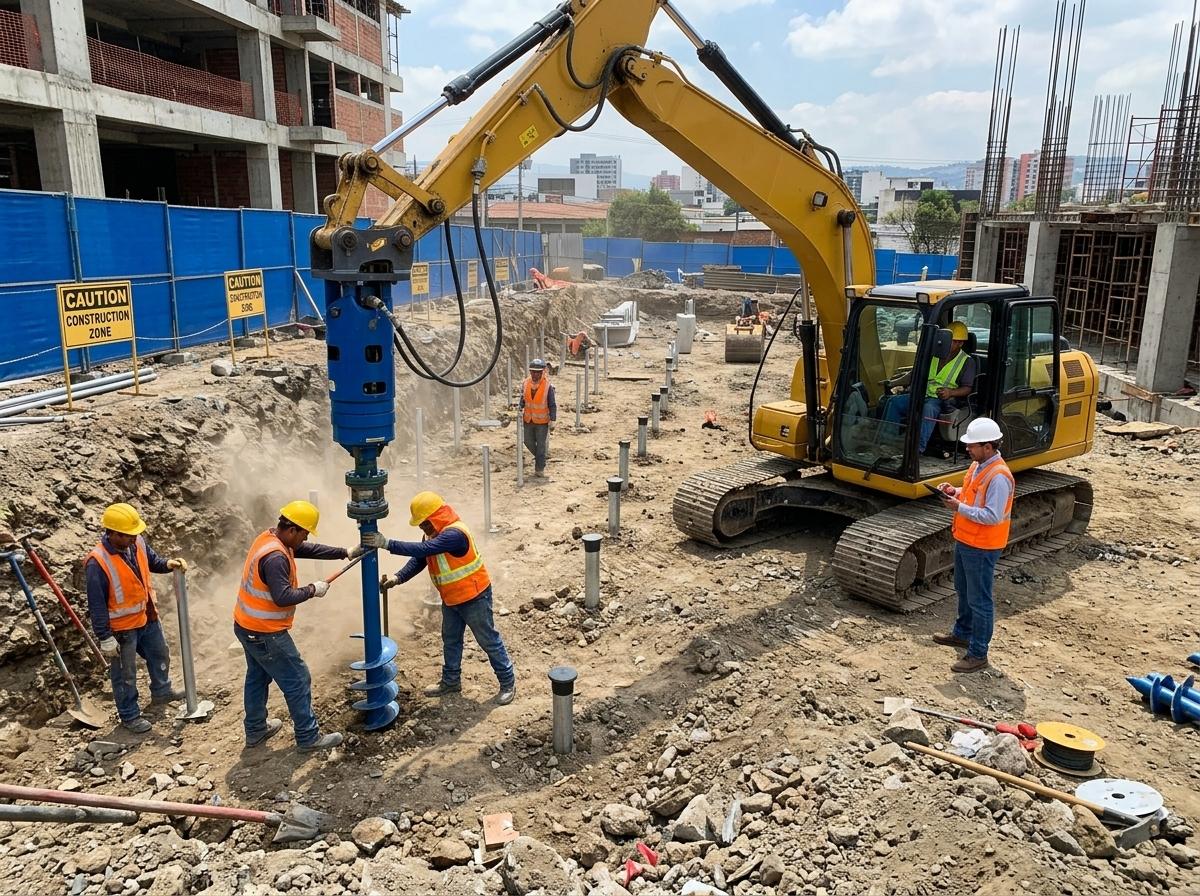
Choosing the right foundation system is crucial for project success in variable conditions. Helical piles offer specific advantages over traditional methods like concrete footings.
Benefits of Helical Piles
Helical piles are a practical solution for unstable soils, offering speed and reliability. Unlike traditional footings, they don’t require curing, allowing faster project timelines. They are installed by screwing into the ground, which means less disturbance and a smaller footprint. This method is ideal for sites with limited access or environmental restrictions.
Risk Reduction and Installation Time
Risk is a constant in construction, but helical piles help mitigate it effectively. Since they don’t need curing, they eliminate delays associated with concrete. Installation is quick and can be loaded immediately, reducing downtime. This efficiency minimizes labor costs and keeps projects on schedule, which is essential in tight timelines or remote areas.
Practical Application and Compliance
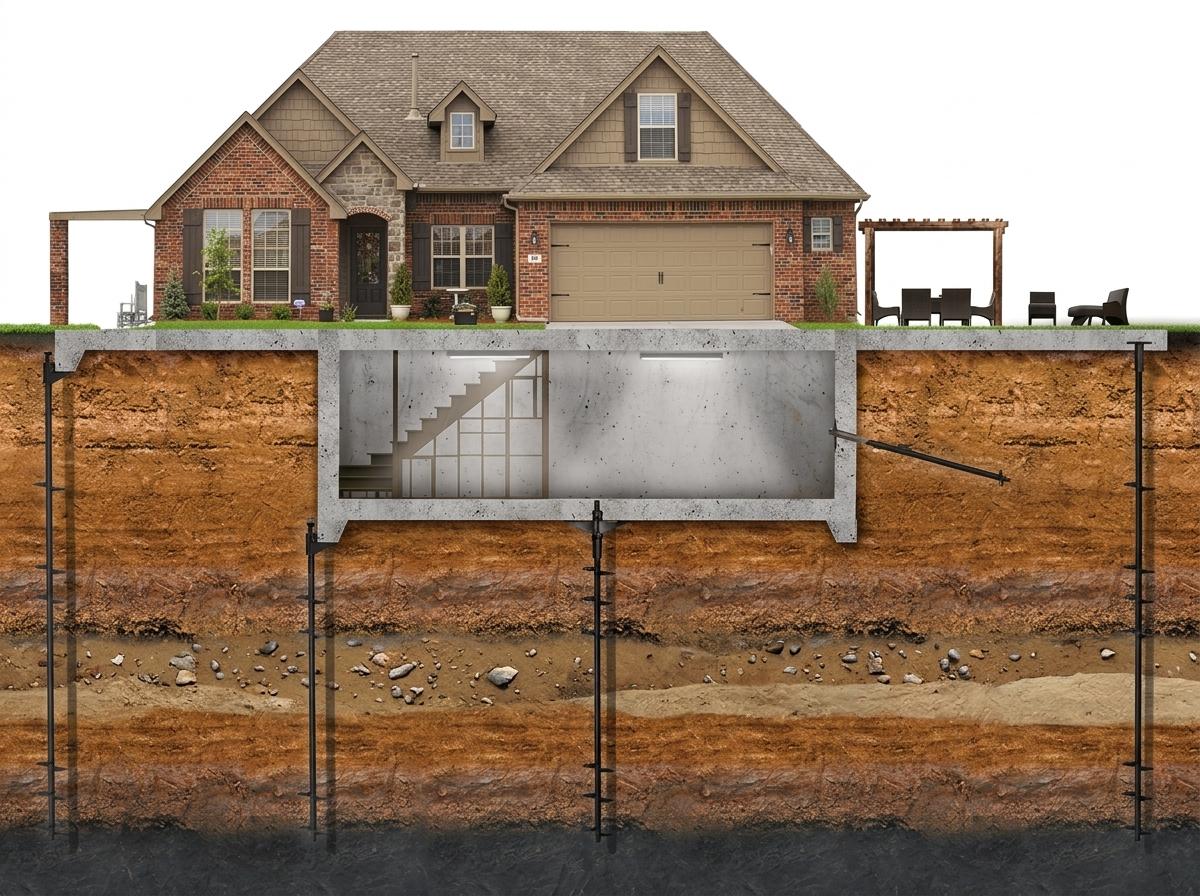
Compliance with standards and minimizing environmental impact are integral to modern construction projects. Helical piles offer advantages here as well.
AS 2159 Design Considerations
Compliance with AS 2159 is crucial for ensuring foundation reliability. Helical piles meet these standards, offering predictable performance in various soil conditions. Their design allows for customization based on specific site needs, ensuring structural integrity and regulatory compliance.
Environmental Impact and Ground Disturbance
One of the key benefits of helical piles is their minimal environmental impact. Traditional foundations often require extensive excavation, harming local ecosystems. In contrast, helical piles disturb much less soil, preserving the natural environment. This makes them a preferred choice for environmentally sensitive projects.
Frequently Asked Questions
What are the main advantages of helical piles over traditional footings?
Helical piles offer faster installation, reduced ground disturbance, and immediate load-bearing capabilities. They are ideal for variable soil conditions and sites with limited access.
How do helical piles comply with AS 2159 standards?
Helical piles are designed to meet AS 2159 standards, ensuring reliability and structural integrity. Their customizable design allows for adaptation to specific site conditions.
Why are helical piles environmentally friendly?
Helical piles minimize soil disturbance, reducing the impact on local ecosystems. They require less excavation compared to traditional foundations, preserving the natural environment.
Can helical piles be used in reactive clay soils?
Yes, helical piles are effective in reactive clay soils due to their ability to manage soil movement and provide stable support without the need for curing time.
What makes helical piles suitable for coastal sand regions?
Their screw-like installation allows helical piles to anchor securely in loose coastal sands, providing stability where traditional footings might struggle.