Traditional piling methods on Australian sites often bring hidden costs in the form of delays and costly rework. You already know how driven and bored piling can stall progress and increase foundation schedule risk. This post breaks down those risks and explains why helical piles Australia offers a faster, AS 2159-compliant alternative that reduces construction rework risk and improves overall project certainty.
Root Causes of Traditional Piling Delays
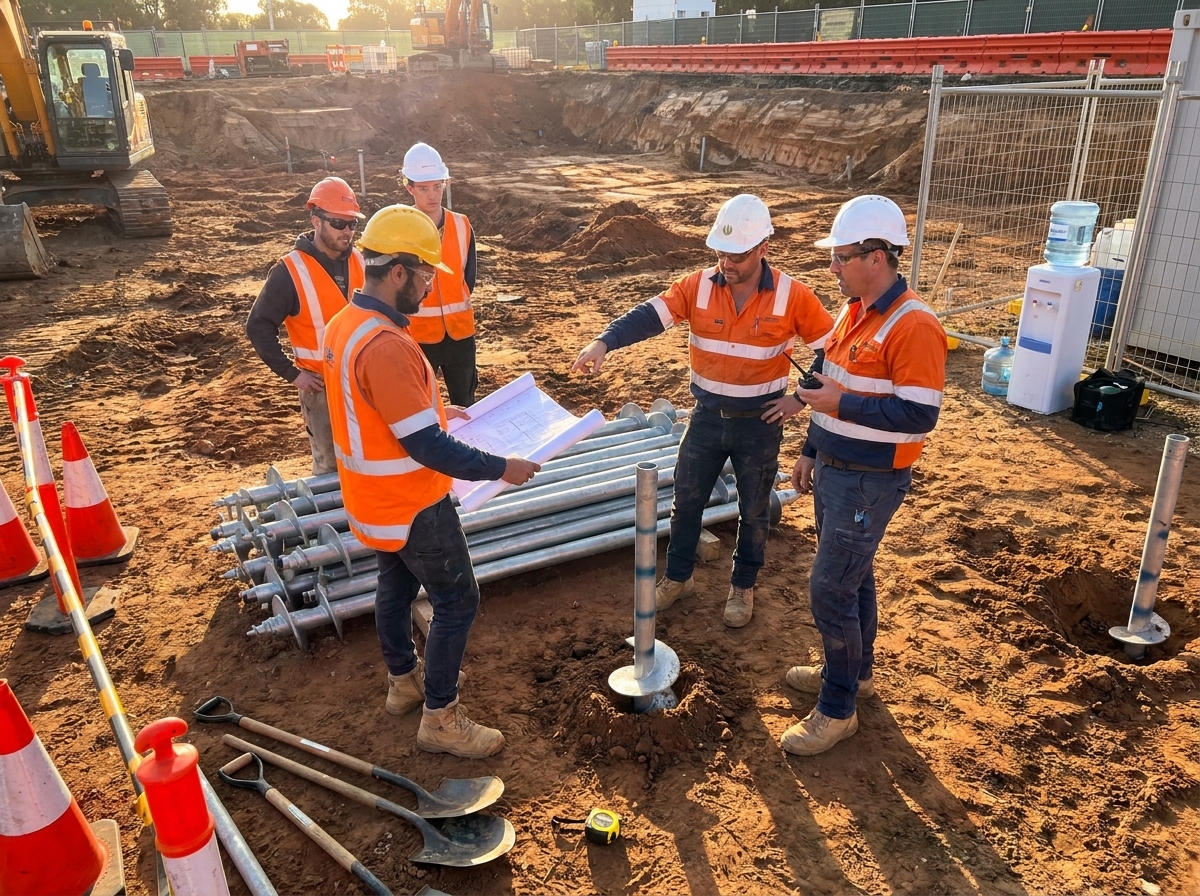
Let’s dig into why traditional piling methods can lead to project setbacks. Delays often stem from unforeseen challenges during the piling process, leading to increased costs and risks.
Geotechnical Challenges and Risks
When it comes to traditional piling, soil conditions can be a major hurdle. Many sites in Australia present unique geotechnical challenges. From reactive clays to dense sands, these conditions can complicate the piling process. 50% of projects face delays due to soil-related issues. This results in additional testing and adjustments, slowing progress and inflating costs. Most people assume that traditional methods are reliable, but often they encounter unexpected soil behavior. This unpredictability can lead to expensive remedies and project downtime, frustrating stakeholders and escalating budgets.
Impact on Project Timelines
Time is money in construction, and piling delays can cause significant timeline shifts. A delay in one phase can ripple through the entire schedule. In many cases, driven and bored piles require additional groundwork and preparation. This creates a bottleneck, stalling further construction activities. The longer you wait to address these delays, the more your project timeline extends, impacting delivery dates and client satisfaction. The key insight here is that traditional methods often lack the flexibility to adapt quickly to changes, further compounding time-related issues.
Rework and Cost Implications
Rework is a costly consequence of traditional piling methods. It often occurs when piles do not meet load-bearing requirements or when site conditions change unexpectedly. This not only leads to material waste but also demands additional labor. The cost implications are significant: rework can account for up to 15% of total project costs. The financial strain of rework is exacerbated by the need for specialized equipment and skilled labor. As construction budgets tighten, these unexpected expenses can strain resources and erode profits. The takeaway is clear: minimizing rework should be a priority to protect both timelines and budgets.
Helical Piles as a Preferred Solution
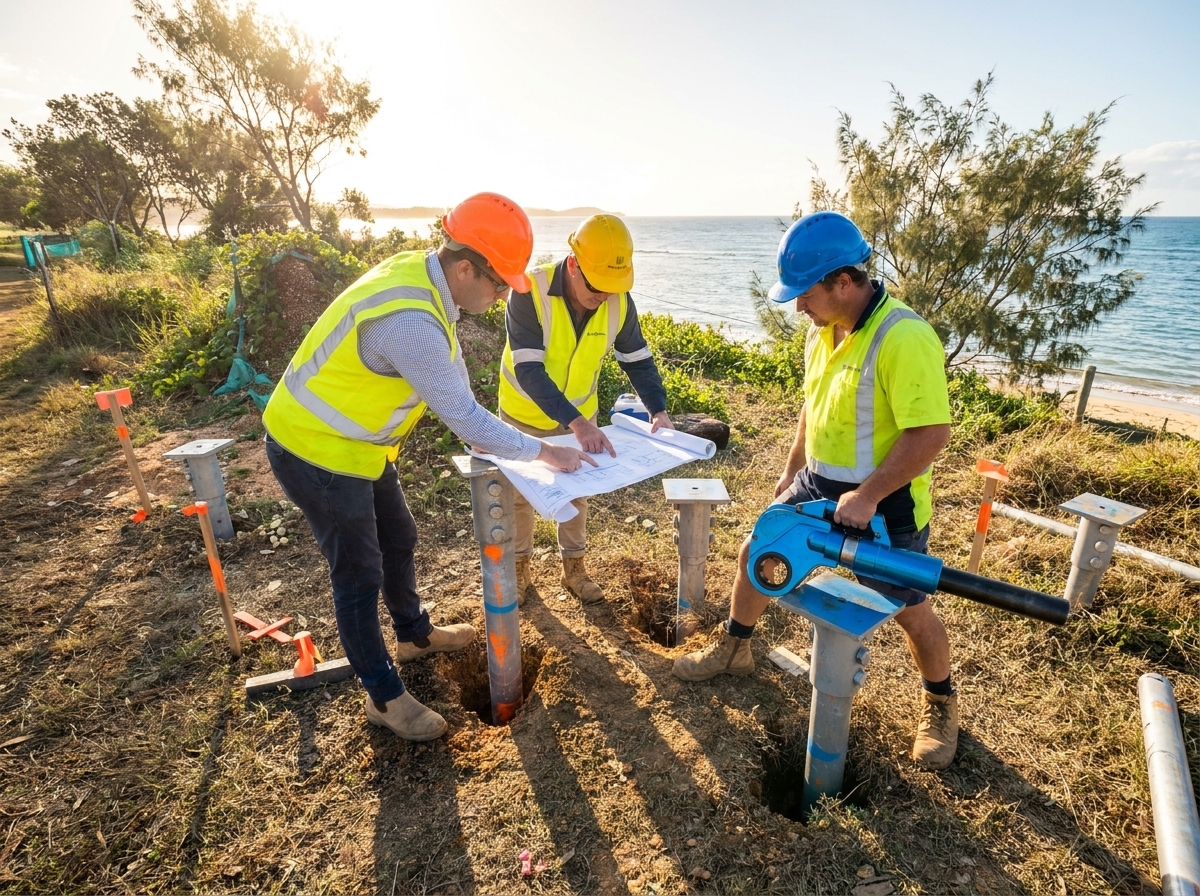
Helical piles offer a promising alternative to traditional methods. They are particularly suited to Australia’s diverse soil conditions and can provide a range of benefits.
Advantages in Australian Soil Conditions
Helical piles excel in variable soil types, making them ideal for Australian conditions. Whether dealing with reactive clay or sandy soils, these piles adapt with ease. They penetrate the ground with minimal disturbance, reducing the risk of unforeseen challenges. Unlike traditional methods, helical piles provide instant load-bearing capacity, eliminating the need for curing time. This versatility translates into faster project progress and fewer surprises. By choosing helical piles, you can navigate Australia’s unique geotechnical landscape with confidence and reduce your construction rework risk.
Environmental and Compliance Benefits
In today’s construction industry, environmental responsibility is key. Helical piles offer benefits that align with sustainability goals. They produce minimal spoil, reducing ground disturbance and preserving natural habitats. This low-impact approach is crucial for projects near sensitive environments. Moreover, helical piles comply with AS 2159 standards, ensuring safety and reliability. Compliance with this standard provides peace of mind and reduces liability risks. The use of helical piles also supports low-carbon building practices, contributing to greener construction outcomes.
Fast and Reliable Installation Process
Speed and reliability are hallmarks of the helical pile system. Installation is straightforward and efficient, requiring smaller crews and less equipment. This means projects can progress even in tight timelines. Helical piles offer a vibration-free installation process, crucial for projects near existing structures. The process is adaptable to various weather conditions, ensuring work can continue without delay. This fast installation not only saves time but also reduces labor costs. By opting for helical piles, you enhance your ability to meet project deadlines and deliver quality results.
Enhancing Project Certainty with Helical Piles
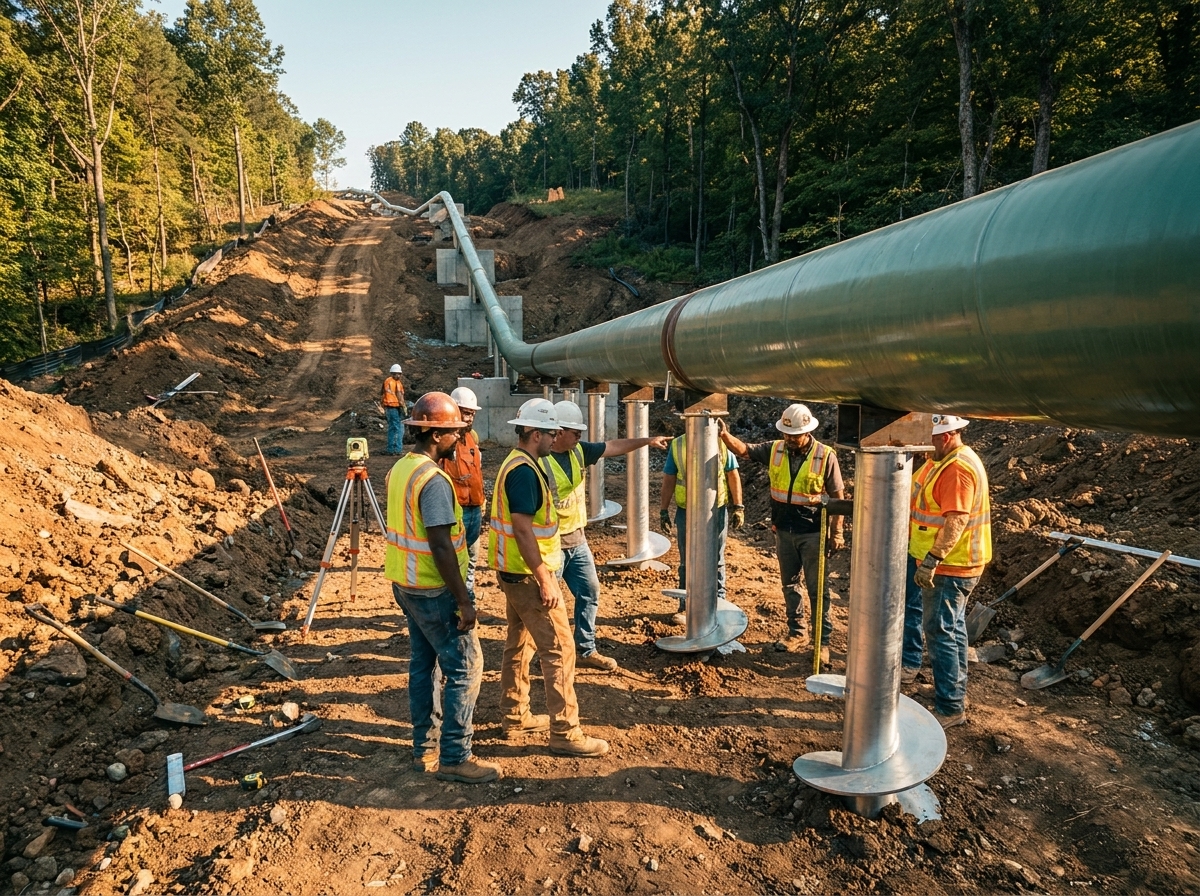
With helical piles, you can improve project certainty and achieve better outcomes. Let’s explore how this system supports project success.
QA Monitoring and Torque Capacity
Quality assurance is integral to any construction project. Helical piles provide real-time QA monitoring, offering insights into installation torque and capacity. This ensures each pile meets required standards and performs as expected. The torque-to-capacity correlation gives you confidence that your foundation is secure and reliable. This level of assurance reduces the need for rework and enhances project efficiency. By investing in helical piles, you gain a system that supports rigorous quality standards and boosts your project’s integrity.
Applications for Renewable Energy Projects
Helical piles are particularly suited for renewable energy projects like solar farms and wind installations. Their adaptability to diverse soil conditions and quick installation process make them ideal for these applications. They support structures without the delays associated with traditional methods, offering a practical solution to green energy initiatives. These projects often require foundations that can withstand environmental challenges, and helical piles deliver on that front. By using helical piles, you align with the growing demand for sustainable energy solutions and enhance your project’s feasibility.
Tailored Solutions for Remote and Sensitive Sites
For projects in remote or sensitive areas, helical piles are a game-changer. Their lightweight design and adaptability make them perfect for sites with limited access. This system minimizes the need for heavy machinery, reducing logistical challenges and costs. Helical piles are also suited for brownfield construction, offering solutions that respect existing site conditions. This tailored approach ensures that projects can proceed without compromising on quality or environmental integrity. By choosing helical piles, you open the door to possibilities that traditional methods can’t match, ensuring success no matter the project location.
The benefits of helical piles are clear: they offer a reliable, adaptable, and efficient alternative to traditional piling methods. Whether you’re managing a complex infrastructure project or seeking sustainable solutions, helical piles provide the foundation for success.
Avoid foundation pitfalls – explore better alternatives today.