Concrete footing failure remains a costly challenge in Australian infrastructure projects. Reactive clay, expansive soils, and groundwater fluctuations often cause uneven settlement and structural damage. For engineers seeking foundation alternatives, helical piles Australia offers rapid installation, superior uplift resistance, and reliable lateral capacity. This post outlines common footing failure causes, risks to your project, and why helical piles provide a cleaner, faster solution engineered to meet AS 2159 standards.
Causes of Concrete Footing Failures
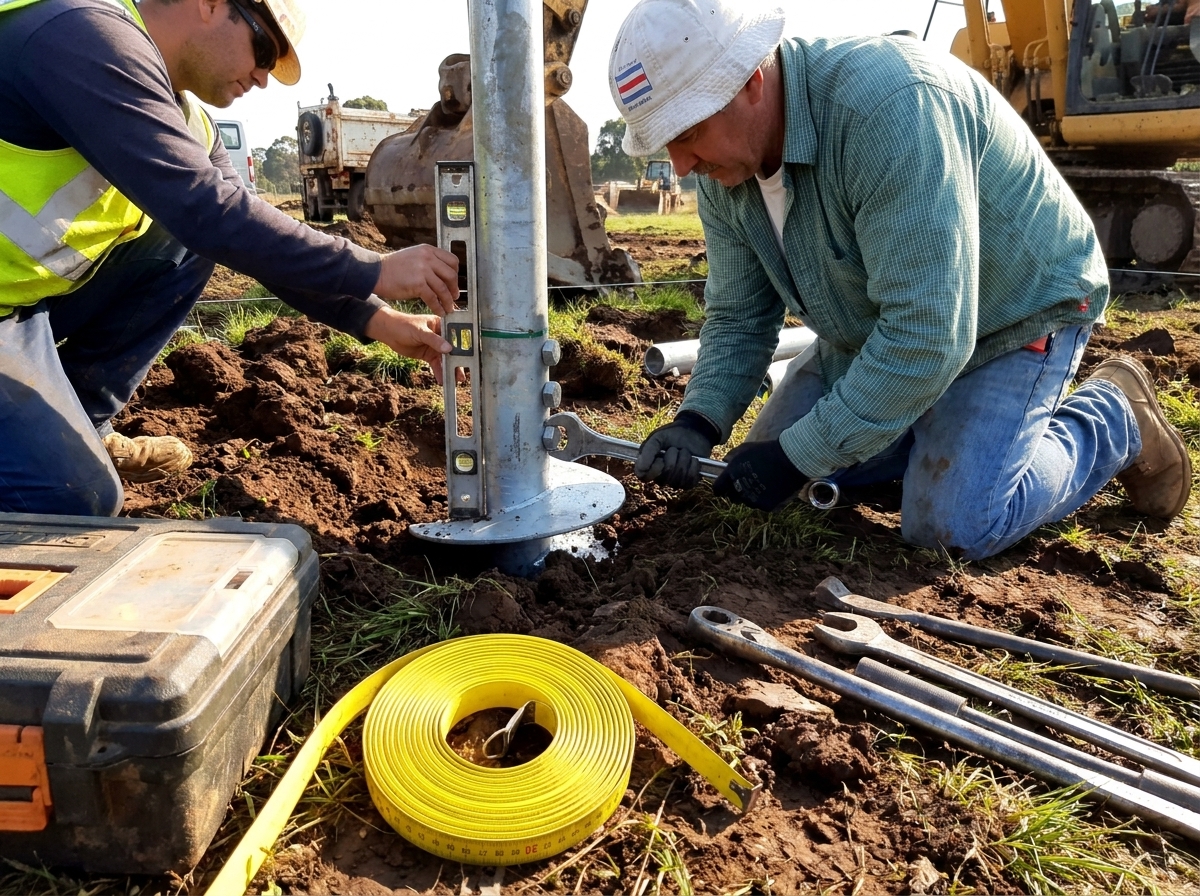
Let’s dive into why concrete footings often fail in Australian projects, setting the stage for viable alternatives.
Differential Settlement and Its Impact
Differential settlement is a common problem where different parts of a building settle unevenly. You might notice cracks in walls or floors as early signs. This happens when soil beneath a structure shifts or compresses unevenly. If not addressed, it can lead to severe structural damage. In Australia, variable soil conditions often exacerbate this issue. Interestingly, when using deep foundations like helical piles, the risk of differential settlement decreases significantly. They transfer loads more evenly, offering a stable option for uneven terrains.
Expansive and Collapsible Soils
Expansive soils, like clay, can swell when wet and shrink when dry, wreaking havoc on footings. In contrast, collapsible soils appear stable when dry but lose strength when wet. This can lead to abrupt sinking of structures. These soil types require special attention in design and construction. Helical piles bypass these concerns by anchoring structures deeper into more stable soil layers. By avoiding reliance on surface soil, they minimize risks associated with soil shrinkage or swelling.
Scour and Erosion Risk Factors
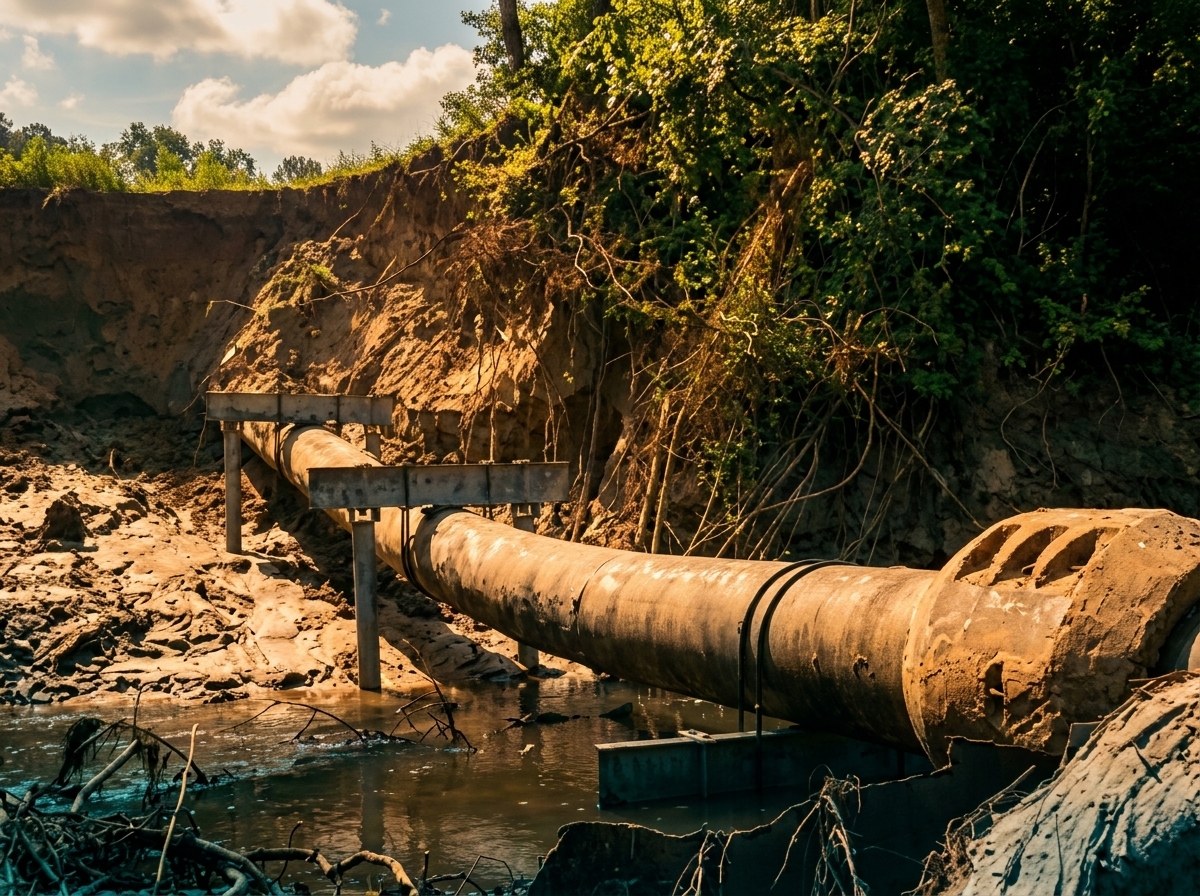
Scour and erosion can undermine concrete footings, especially in areas near water. Water flow erodes supporting soil, leading to instability. This issue is particularly prevalent in coastal and riverine environments. Helical piles offer a robust alternative by providing deep anchorage that is less susceptible to surface erosion. Their installation disturbs minimal soil, preserving the surrounding environment.
Risks of Traditional Footings
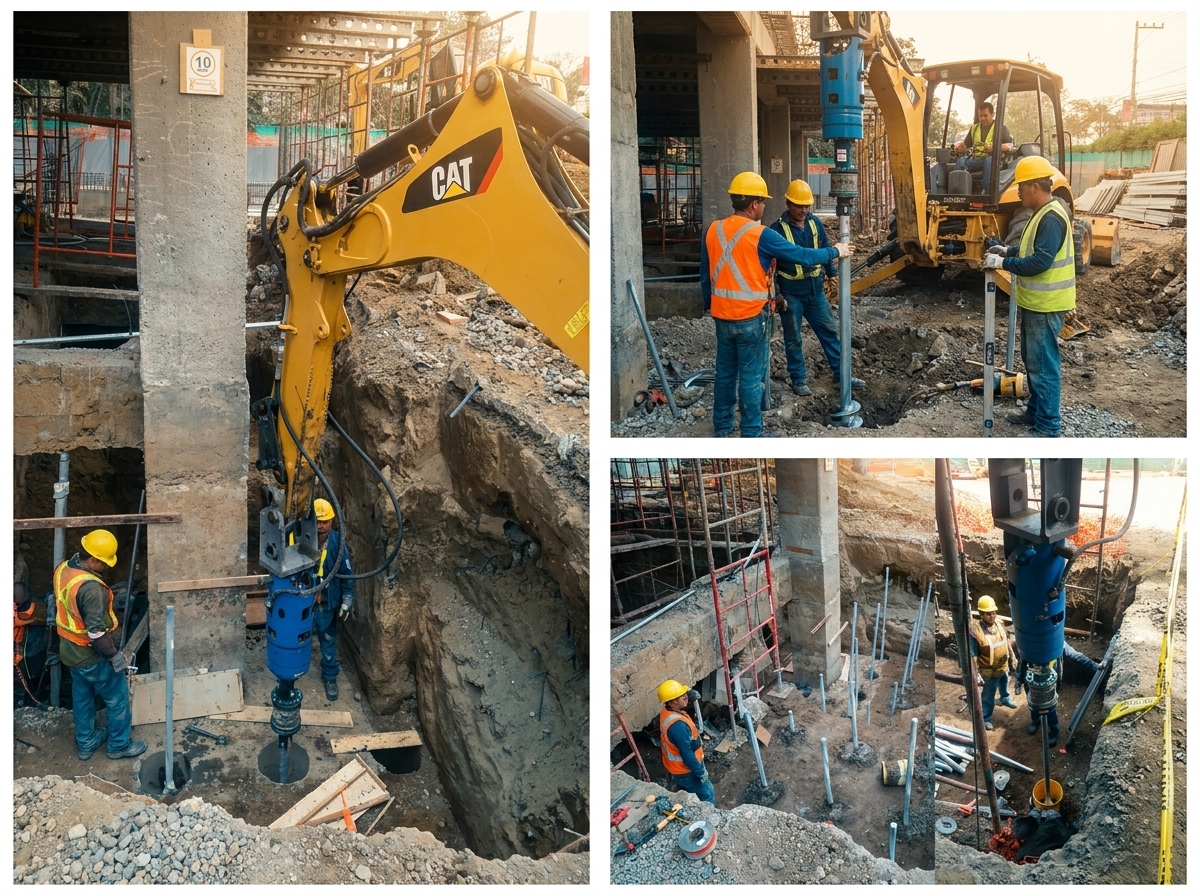
Traditional footings come with their own set of challenges, impacting projects both financially and environmentally.
Project Delays and Cost Overruns
Concrete footings often demand lengthy curing times, which can delay project timelines. Weather conditions can exacerbate these delays, leading to cost overruns. Unlike concrete, helical piles can be installed quickly and are ready for immediate loading, mitigating delays. This rapid installation is crucial for keeping projects on schedule and within budget.
Environmental and Safety Concerns
Concrete construction can be invasive, requiring large machinery and generating waste. This disrupts ecosystems and poses safety risks on-site. Helical piles are installed with minimal disturbance, reducing environmental impact and enhancing site safety. Their quiet and vibration-free installation is an added advantage in sensitive areas.
Compliance with AS 2159 Standards
Meeting AS 2159 standards is non-negotiable for Australian projects. Traditional footings require extensive testing and adjustments to comply. Helical piles are engineered to meet these standards, providing built-in compliance. Their design simplifies the verification process, ensuring projects adhere to regulations effortlessly.
Benefits of Helical Piles in Australia
Helical piles present an array of benefits, making them a superior choice for Australian construction projects.
Rapid Installation and Low Carbon Impact
Installing helical piles is a swift process, cutting down project timelines significantly. This efficiency also translates to lower carbon emissions, as less machinery and energy are required. By choosing helical piles, you’re not just saving time but also contributing to a greener construction process.
Superior Uplift Resistance and Lateral Capacity
Helical piles offer excellent resistance to uplift forces, a common issue in flood-prone areas. Their design also provides strong lateral support, essential for withstanding horizontal forces. This makes them a reliable option for maintaining the integrity of structures in challenging conditions.
Versatility in Remote and Challenging Sites
Helical piles are incredibly versatile, capable of being installed in remote or difficult-to-access locations. Their adaptability to various soil conditions, from sands to clays, makes them ideal for diverse Australian terrains. This flexibility ensures that no matter where your project is, helical piles can provide a stable foundation.
By understanding these intricacies, you can make informed decisions for your next project, ensuring a foundation that’s both reliable and sustainable.