Concrete footing failure remains a costly challenge on Australian sites, especially where reactive clay foundations and variable soil conditions come into play. You’ve likely seen how groundwater, sulphates, and workmanship issues can stall projects and inflate budgets. There’s a foundation alternative that cuts installation time by up to 50% while offering immediate load-bearing capacity and predictable performance. Read on to explore why helical piles Australia delivers faster, lower-risk solutions for solar, transmission, and pipeline infrastructure projects. For more insights into common causes of footing failure, check this resource.
Understanding Concrete Footing Failures
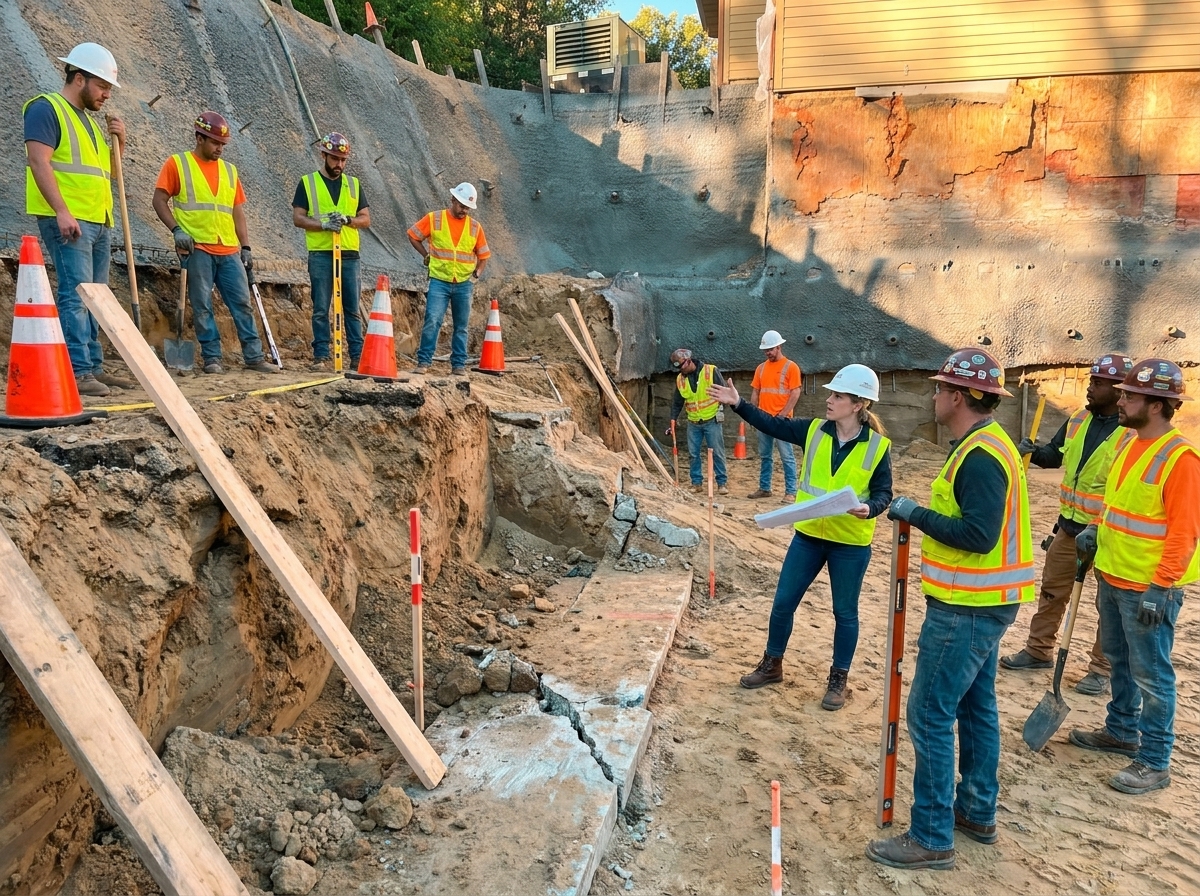
Let’s delve into why traditional concrete footings often falter on Australian sites and explore better alternatives.
Common Causes in Australian Sites
Concrete footings can fail due to various conditions. Groundwater is a big factor. When it seeps into soil, it affects the stability of foundations. In Australia, reactive clay foundations often expand and contract, causing cracks. Moreover, the presence of sulphates can lead to chemical reactions that weaken concrete. These issues, combined with workmanship errors, often result in costly delays. Learn more about these causes in this guide.
Impact of Reactive Clays and Groundwater
Reactive clays pose a unique challenge. These soils swell when wet and shrink when dry, causing movement that concrete footings can’t handle. This constant movement leads to foundation settlement and cracks. Groundwater exacerbates this by keeping the soil wet, preventing footings from settling properly. The longer these conditions persist, the greater the risk of failure.
Workmanship and Curing Challenges
Even with perfect conditions, poor workmanship can derail projects. Inadequate curing times and improper mixing are common issues. These result in weak concrete that fails to support the intended load. AS 2159 piling standards emphasize the importance of proper curing and workmanship to prevent these failures. For a detailed comparison of footings and foundations, see this guide.
Helical Piles: A Faster Foundation Alternative
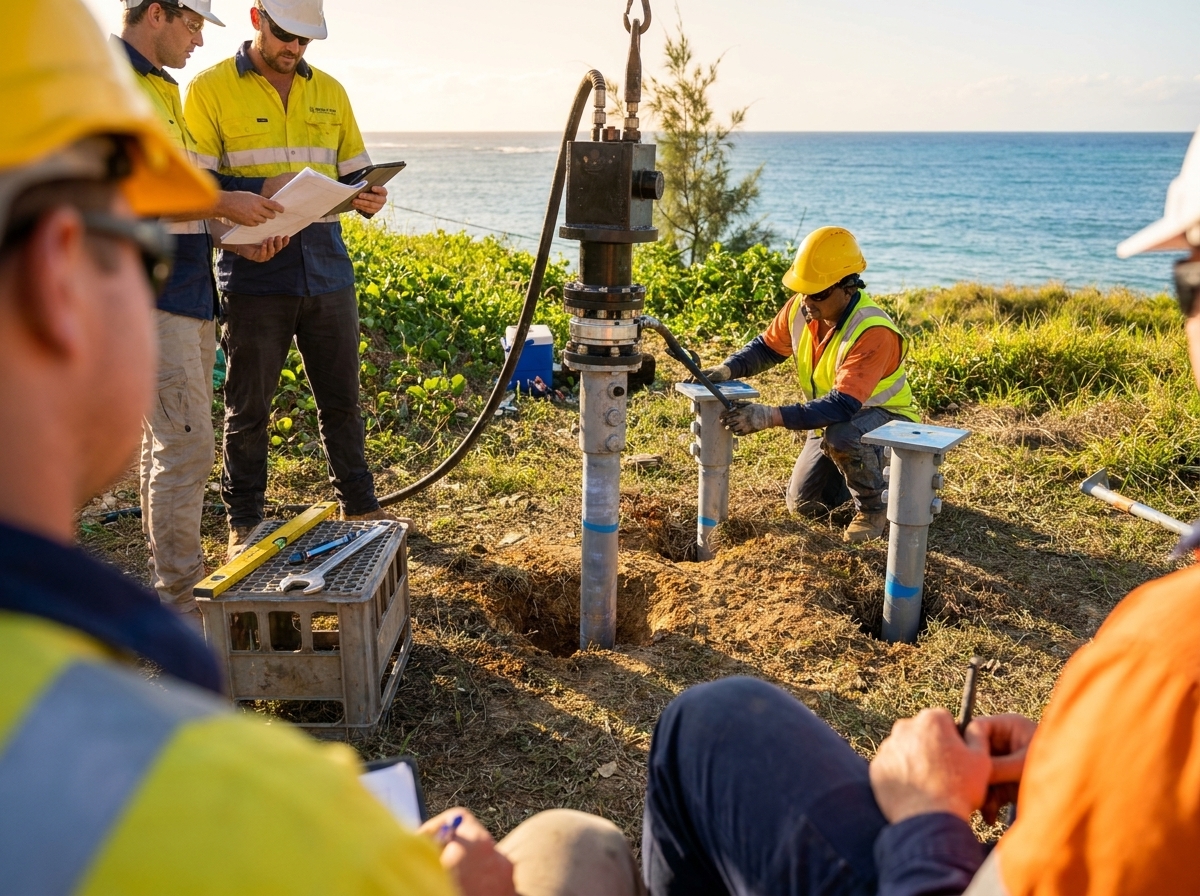
Now, let’s explore how helical piles offer a superior solution, addressing these common issues head-on.
Advantages Over Traditional Concrete
Helical piles provide a faster, more reliable alternative. They reduce installation time by up to 50%, allowing projects to progress without delays. Unlike concrete, they don’t require curing, meaning they can be loaded immediately. This eliminates wait times and compresses construction schedules.
Immediate Load-Bearing and Ground Disturbance Reduction
One of the standout benefits of helical piles is their immediate load-bearing capacity. This means structures can be built right after installation. Additionally, they minimize ground disturbance, making them perfect for environmentally sensitive sites. Their installation creates fewer vibrations, preserving the surrounding environment.
Suitability for Remote and Environmentally Sensitive Sites
Helical piles are ideal for sites with limited access, such as remote locations or areas with stringent environmental regulations. Their lightweight nature makes them easy to transport and install. This adaptability ensures they perform well in various soil conditions, including expansive soils Australia is known for.
Applications and Benefits for Infrastructure Projects
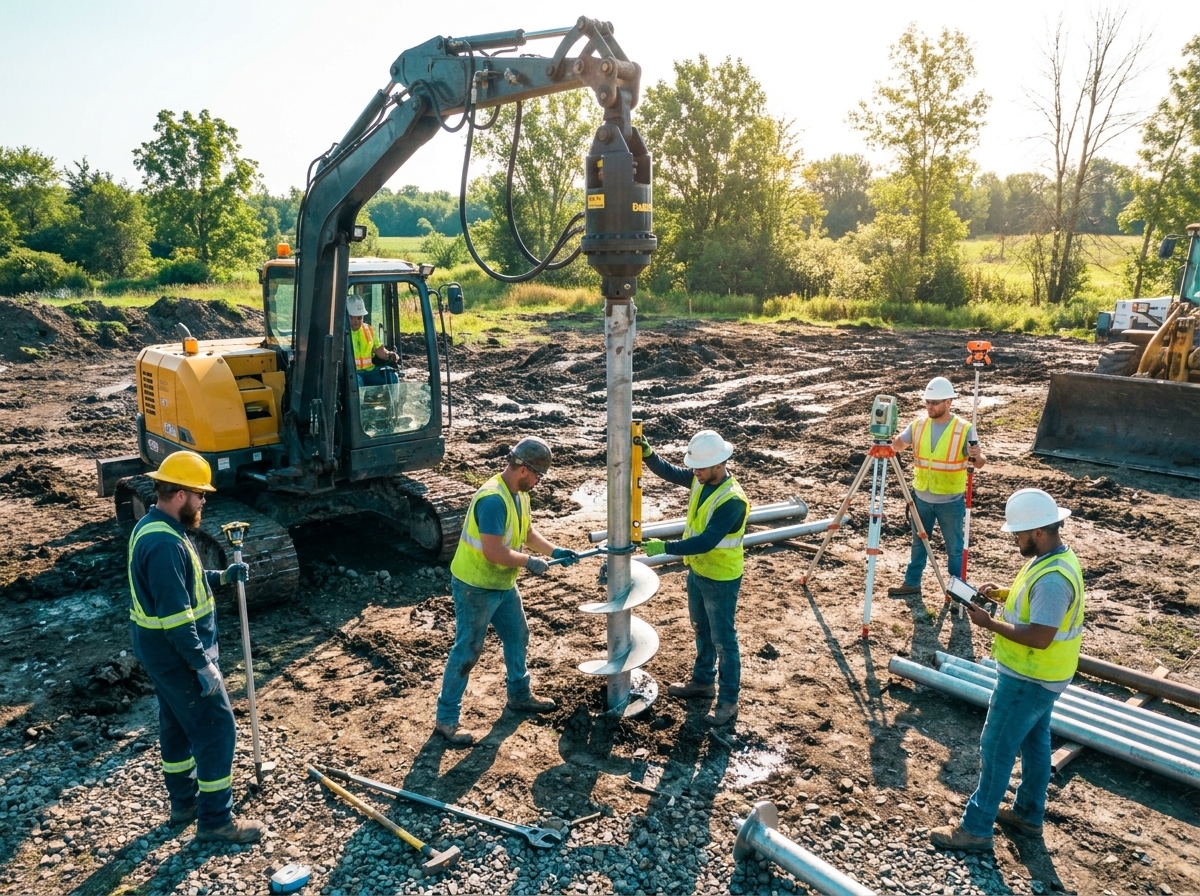
Understanding the wide range of applications for helical piles can help project managers make informed decisions.
Solar Farm and Pipeline Supports
Helical piles excel in supporting solar farms and pipelines. Their corrosion-resistant nature makes them perfect for long-term projects. They provide stable anchorage, essential for solar panels and pipelines. Rapid installation ensures that projects stay on track, with minimal interruption.
Transmission Line Footings and Geotechnical Risk Management
Transmission lines require robust support, especially in challenging terrains. Helical piles offer high lateral load resistance, ideal for transmission line footings. Their design allows them to withstand both uplift and tension, crucial for risk management in geotechnical projects. Discover more about transmission line footings here.
Ensuring Construction Program Certainty and Environmental Compliance
Helical piles ensure construction program certainty by reducing delays and risks associated with traditional methods. Their design aligns with environmental compliance, reducing the impact on the surrounding ecosystem. Enhanced corrosion protection piles ensure longevity, supporting sustainable infrastructure development.
By choosing helical piles, you’re not only opting for speed and reliability but also committing to environmentally responsible construction practices.