Most foundation designs underestimate how soil variability affects helical pile capacity. You need precise data on compression, uplift, and lateral loads to avoid costly redesigns. This post explains how installation torque directly correlates to capacity, revealing why Helical Piles Australia’s patented systems deliver verified results faster and with less environmental impact. Keep reading to see how your next project can benefit from smarter foundation choices.
Determining Helical Pile Capacity
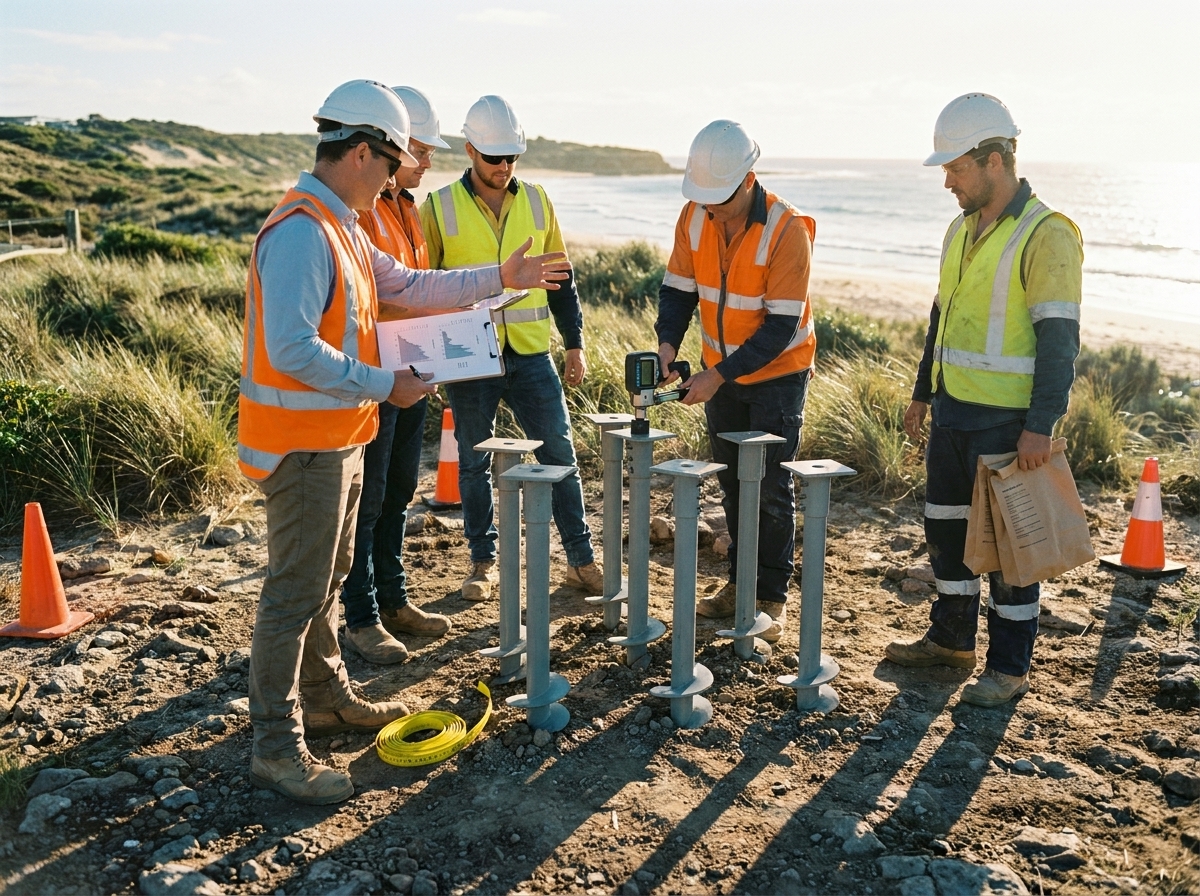
How do you make your foundation rock-solid? The secret lies in understanding helical pile capacity. This involves looking at compression, uplift, and lateral loads. Let’s break it down.
Compression and Uplift Assessment
Compression and uplift are the core concerns. Most people think piles just hold weight, but they also resist upward forces. In fact, helical piles can handle loads up to 50 tons. This makes them perfect for projects where soil might cause shifting.
For compression, helical piles transfer pressure through their helices. This process is similar to how a screw holds a picture frame. To combat uplift, piles rely on their deep anchoring. This stops structures from lifting when ground forces push up. You don’t need to worry about uneven ground or loose soil here.
Lateral Load Considerations
Moving sideways might seem minor, but lateral forces can wreak havoc. Engineers often overlook this, but lateral capacity is a key player. Imagine wind pushing a solar panel or a pipeline needing stability. Helical piles shine with lateral loads up to 30 kN.
These piles act like a sturdy fence post. Their design allows for maximum resistance against side forces. This keeps your structures stable, even in windy or shifting conditions. Want to know more about lateral loads? Check out this guide on lateral capacity.
Installation Torque and Capacity Correlation
Here’s the key insight: torque equals capacity. The harder you twist, the more load the pile can handle. It’s like fastening a bolt tightly. But what does torque mean for your project? It guarantees load capacity. Monitoring torque during installation ensures each pile meets its intended strength. This gives you real-time assurance of how your foundation will perform.
Verification and Testing Methods
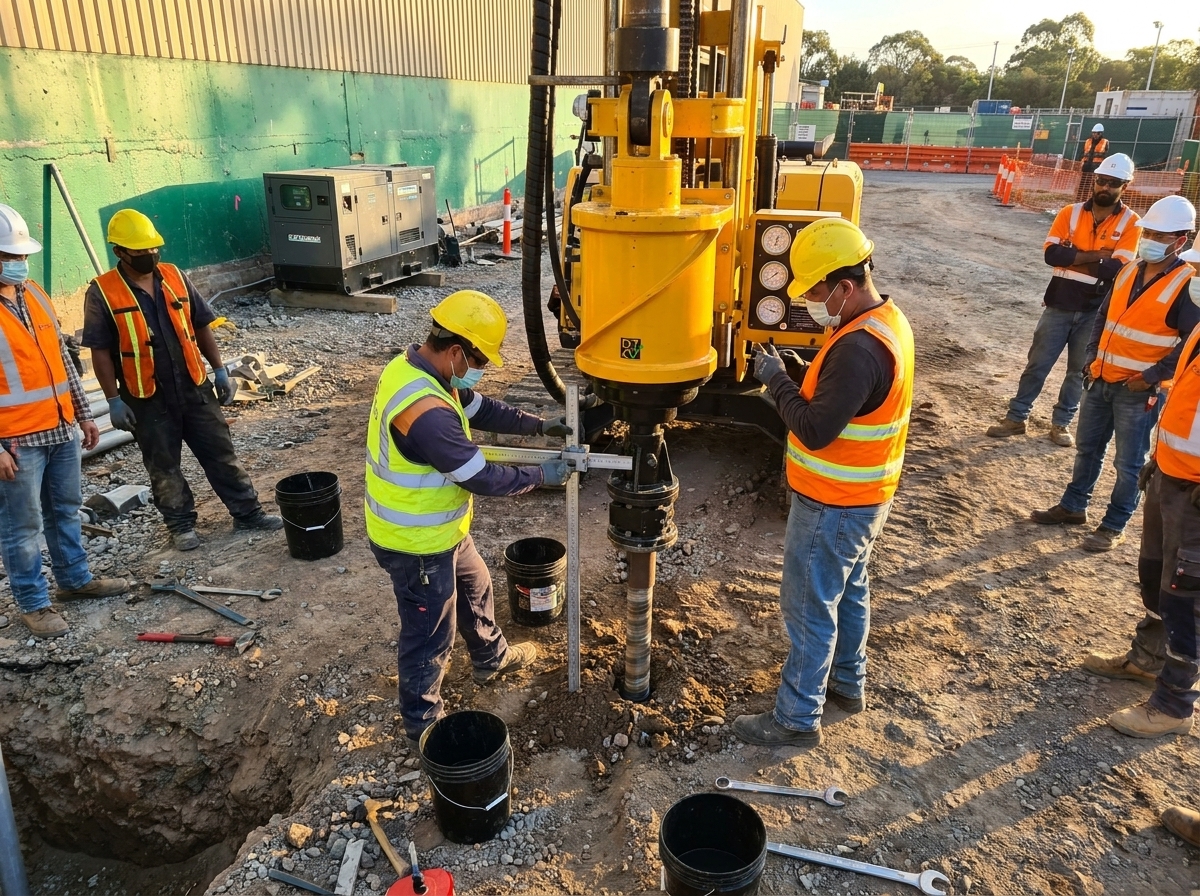
Ensuring your foundation can carry the load requires testing. Let’s explore how to verify helical pile capacity through various methods.
Static and Proof Load Testing
Static and proof load testing are vital. These tests confirm that piles meet expected loads. Static load tests push the pile to its limits, verifying its capacity under real conditions. Proof load testing is a quicker check, ensuring compliance without full-scale stress.
These methods keep you confident that your pile will perform as needed. You can be sure your project won’t face surprises when loads are applied. Learn more with this comprehensive testing overview.
Monitoring Torque for Assurance
Torque monitoring is a non-negotiable. It’s your go-to for ensuring capacity during installation. Real-time torque data provides insights into the pile’s performance. This allows you to make adjustments instantly if needed.
Think of it as a security check-up. By monitoring torque, you confirm that each pile will hold up against the forces it’s designed to resist. This proactive step saves you from future headaches.
Adhering to AS 2159 Standards
Standards matter. Adhering to AS 2159 ensures your project meets Australian regulations. These guidelines cover everything from design to testing. Compliance means peace of mind, knowing your foundation is built to last. Following these standards isn’t just about regulations; it’s about guaranteeing safety and durability.
Real-World Performance and Environmental Impact
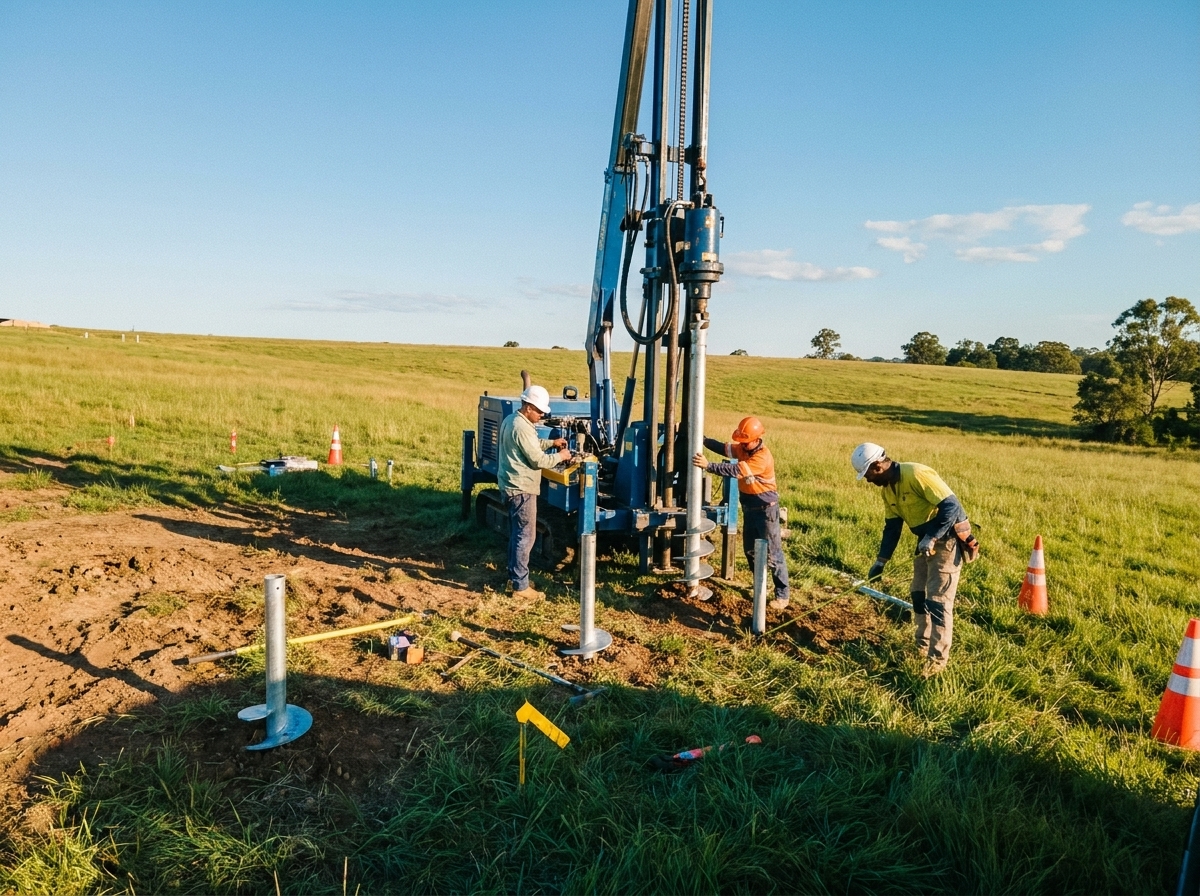
How do helical piles perform outside the lab? Let’s look at real-world benefits and environmental impacts.
Faster Installation with Minimal Disturbance
Time is money. Helical piles cut installation time by 50% compared to concrete solutions. This rapid deployment means projects face fewer delays. Plus, the process involves minimal site disturbance. No large excavations mean less impact on the surrounding area, keeping the environment intact.
Corrosion Protection Strategies
Corrosion can be a silent destroyer. Helical piles come with built-in protection. Coatings and galvanized finishes guard against rust, ensuring longevity. This means your investment stays sturdy, even in challenging environments. For more on protecting your piles, read here.
Applications in Solar and Pipeline Projects
Helical piles are versatile. They’re ideal for solar farms and pipelines, offering stable support with low environmental impact. In solar projects, they provide a foundation that adapts to uneven ground. For pipelines, they offer corrosion-resistant anchoring over long distances. Projects benefit from reduced labor and swift installation, keeping everything on schedule.
As you consider your next project, think about the foundations. Helical pile systems offer speed, reliability, and environmental care. They’re engineered for certainty in Australia’s tough environments. Whether for solar, pipeline, or transmission, these foundations are a game-changer. Want a foundation that outperforms? Explore how Helical Piles Australia can redefine your project’s success.
Last chance for 2026 pricing – secure your foundation solutions today.