Traditional foundation methods like concrete footings and driven piles often slow your project with long installation times and unpredictable ground conditions. Helical piles offer a faster, measurable alternative designed to perform reliably across Australia’s diverse soils, from reactive clay to coastal sand. This comparison breaks down installation time, load capacity, environmental impact, and more—so you can choose the foundation method that keeps your infrastructure project on track and within budget. For more on infrastructure projects in Australia, visit Infrastructure Australia.
Foundation Methods Overview
Helical piles provide a promising alternative to traditional foundation techniques, offering speed and reliability across diverse soil conditions. Understanding how helical piles stack up against other options is essential for informed decision-making on infrastructure projects.
Helical Piles vs Other Options
Helical piles stand out by reducing installation times by up to 50% compared to concrete footings. While driven piles often require heavy machinery and extensive site preparation, helical piles can be installed with minimal equipment, making them ideal for remote or constrained sites. Concrete footings demand significant curing time, delaying subsequent construction phases, whereas helical piles support immediate building. By offering predictable load-bearing capacity through torque-to-capacity verification, helical piles eliminate the guesswork often associated with traditional methods, ensuring your project remains on schedule.
Australian Standards and Compliance
Compliance with Australian Standards, such as AS2159, is crucial for any foundation method. Helical piles meet these standards with their design and installation processes, which include real-time torque monitoring to verify load capacity. This compliance ensures that the foundations are reliable and safe for long-term use. Traditional methods, while often compliant, may not offer the same level of real-time verification, potentially leading to uncertainties in performance.
Foundation Suitability by Soil Type
Foundation choice heavily depends on soil type. Helical piles excel in reactive clay and coastal sand, adapting to varying conditions without extensive site preparation. In contrast, concrete footings and driven piles may struggle with such variability, often requiring additional stabilization efforts. Helical piles also offer solutions for weathered rock and mining-impacted ground, providing flexibility and reducing project delays caused by unfavorable soil conditions.
Installation and Performance Metrics
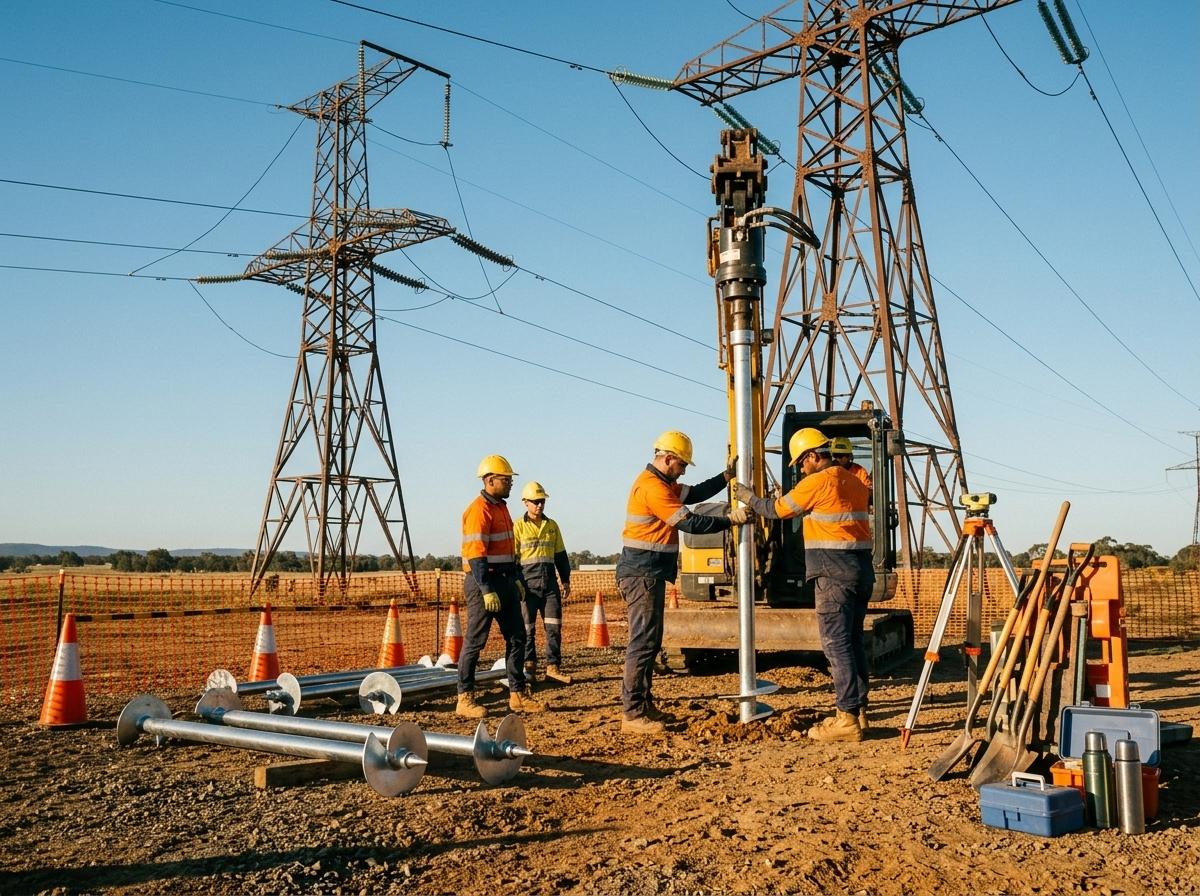
Analyzing installation time, costs, and performance is vital for selecting the right foundation method. Helical piles deliver significant advantages that can streamline your project’s success.
Comparing Installation Time and Costs
Helical piles reduce installation time dramatically, allowing projects to proceed without delays associated with concrete curing. This efficiency translates into cost savings, as less labor and equipment are required. By contrast, driven piles and micropiles may involve prolonged site preparation and higher labor costs. The predictability of helical piles’ performance reduces the risk of unforeseen expenses, keeping your budget intact.
Load Capacity and Disturbance
Load capacity is crucial for any foundation. Helical piles provide reliable load-bearing through torque-to-capacity correlation, ensuring that the foundation can support the intended structure. This method minimizes ground disturbance, preserving the surrounding environment and reducing the need for extensive site rehabilitation. Traditional methods like driven piles may cause significant soil displacement, potentially leading to increased environmental costs and longer recovery times.
Environmental Impact and Maintenance Needs
Helical piles are designed to minimize environmental impact, with low site disturbance and adaptability to all-weather installations. This makes them an eco-friendly choice for projects sensitive to environmental concerns. Maintenance needs are also reduced, as the installation process avoids extensive digging and disruption. Conversely, traditional techniques often require ongoing maintenance and can have larger environmental footprints due to heavy machinery use and site disruption.
Application-Specific Insights
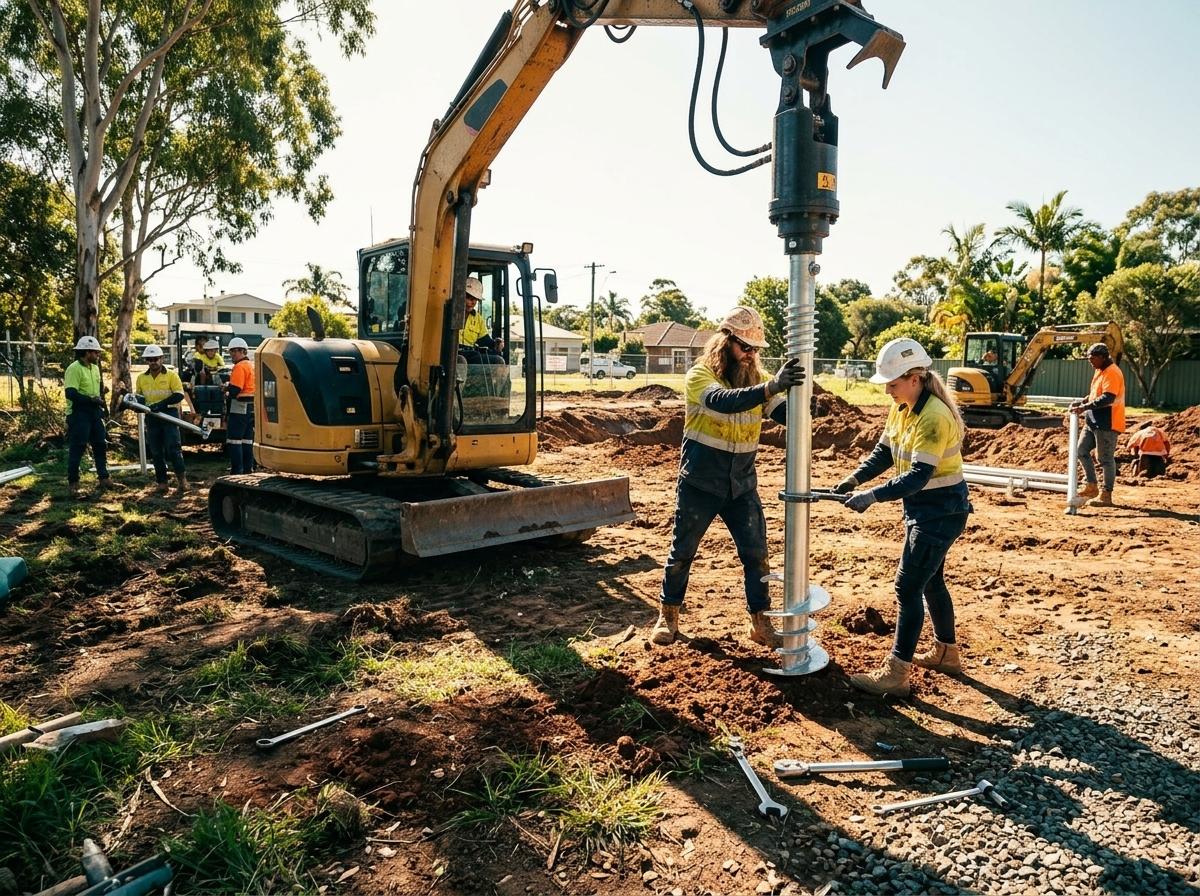
Different projects have unique needs, and helical piles offer tailored solutions for various infrastructure applications, ensuring efficient and effective foundation support.
Solar Farms and Transmission Lines
Solar farms benefit from helical piles’ speed and minimal site disruption, allowing for rapid deployment across large areas. Transmission lines in remote locations or uneven terrains also find helical piles advantageous, as they can be installed without extensive site preparation. This adaptability reduces installation time, ensuring energy projects proceed smoothly without unnecessary delays.
Pipeline Supports in Challenging Grounds
Helical piles provide stable, corrosion-resistant support for pipelines, crucial in shifting soils and slopes. Their ability to resist buoyancy and uplift forces makes them ideal for projects in high groundwater settings. This reliability ensures that pipeline infrastructure remains secure and durable, reducing the risk of costly repairs or replacements.
Project Suitability and Risk Management
For projects demanding dependable foundations, helical piles offer a practical solution that mitigates risk. Their installation process and performance metrics align with project management goals, providing certainty in time, budget, and delivery. This makes them a preferred choice for infrastructure projects requiring reliable, low-risk foundations.
Frequently Asked Questions
What are the advantages of using helical piles over traditional foundations?
Helical piles offer faster installation times, reduce site disturbance, and provide immediate load-bearing capabilities. Unlike traditional methods, they require no curing time and can be installed with minimal equipment, making them ideal for remote or constrained sites.
How do helical piles comply with Australian standards?
Helical piles meet Australian Standards, such as AS2159, by incorporating real-time torque monitoring during installation. This ensures that each pile achieves the necessary load capacity, providing reliable and safe foundation support.
Are helical piles suitable for all soil types?
Yes, helical piles are versatile and can adapt to various soil conditions, including reactive clay, coastal sand, and weathered rock. Their design allows them to perform effectively in challenging environments, reducing the need for extensive site preparation.
How do helical piles impact the environment compared to other methods?
Helical piles have a lower environmental impact due to minimal site disturbance and reduced machinery use. Their installation process avoids extensive digging and disruption, preserving the surrounding environment and reducing maintenance needs.
What types of projects benefit most from helical piles?
Helical piles are ideal for projects such as solar farms, transmission lines, and pipeline supports. Their adaptability to various conditions and rapid installation time make them a preferred choice for infrastructure requiring reliable and efficient foundations.
Explore how patented tech sets us apart in foundation solutions.