Traditional foundation methods often slow projects down with long curing times and unpredictable performance in tough Australian soils. You need reliable solutions that save time, reduce risk, and keep your program on track. This comparison of helical piles vs traditional foundations breaks down installation time, load capacity, cost, and environmental impact to help your team make informed decisions for solar farms, transmission lines, and pipeline supports. For further insights, explore this comparison resource.
Helical Piles vs Traditional Foundations
Installation Time and Efficiency
When it comes to getting projects off the ground, installation time is a crucial factor. Helical piles offer a significant advantage here. Unlike traditional methods such as concrete footings and bored piers, helical piles can be installed swiftly, often cutting project timelines by up to 50%. This is because they don’t require the lengthy curing times associated with concrete. You can use smaller, more mobile equipment for installation, which makes it easier to navigate tight or remote sites. This means less downtime and quicker progress on your project.
Helical piles, also known as screw piles, are particularly beneficial in areas where weather conditions can delay traditional concrete curing. With no need for formwork or excavation spoils, the process is less invasive and more adaptable to changing site conditions. This makes helical piles a more efficient choice for projects like solar farm foundations and pipeline supports, where time is of the essence. Immediate load capacity means structures can be built right after installation, keeping your schedule on track and your team productive.
Risk and Performance Analysis
Understanding the risks and performance capabilities of your foundation choice is essential. Helical piles excel by offering predictable performance through real-time torque-to-capacity verification. This method ensures each pile meets the required load capacity, providing confidence and reducing the risk of structural failure. Traditional foundations often rely on post-installation testing, which can delay project timelines and introduce uncertainty.
Helical piles are engineered to perform in a variety of Australian soils, from reactive clay to coastal sand. This adaptability makes them a reliable option for different environments, ensuring stability and support. The focus on quality assurance during installation minimizes the risk of unexpected issues that can arise with traditional methods, such as settling or shifting. By choosing helical piles, you mitigate risks while ensuring your project’s long-term success.
Cost and Environmental Impact
Cost-effectiveness and environmental impact are key considerations for any project. Helical piles present a cost-efficient alternative due to their faster installation and reduced equipment requirements. The absence of curing time and minimal ground disturbance contribute to lower overall costs and a smaller environmental footprint. This is especially important for projects with sustainability goals, as helical piles align with efforts to minimize ecological disruption.
Environmental impact is further reduced because helical piles require less excavation and spoil handling compared to traditional options like driven piles. This translates to fewer resources used and less waste generated. In essence, opting for helical piles not only saves you money but also supports sustainable construction practices. For a detailed analysis, explore this support article.
Technical Specifications and Standards
Axial and Lateral Capacity
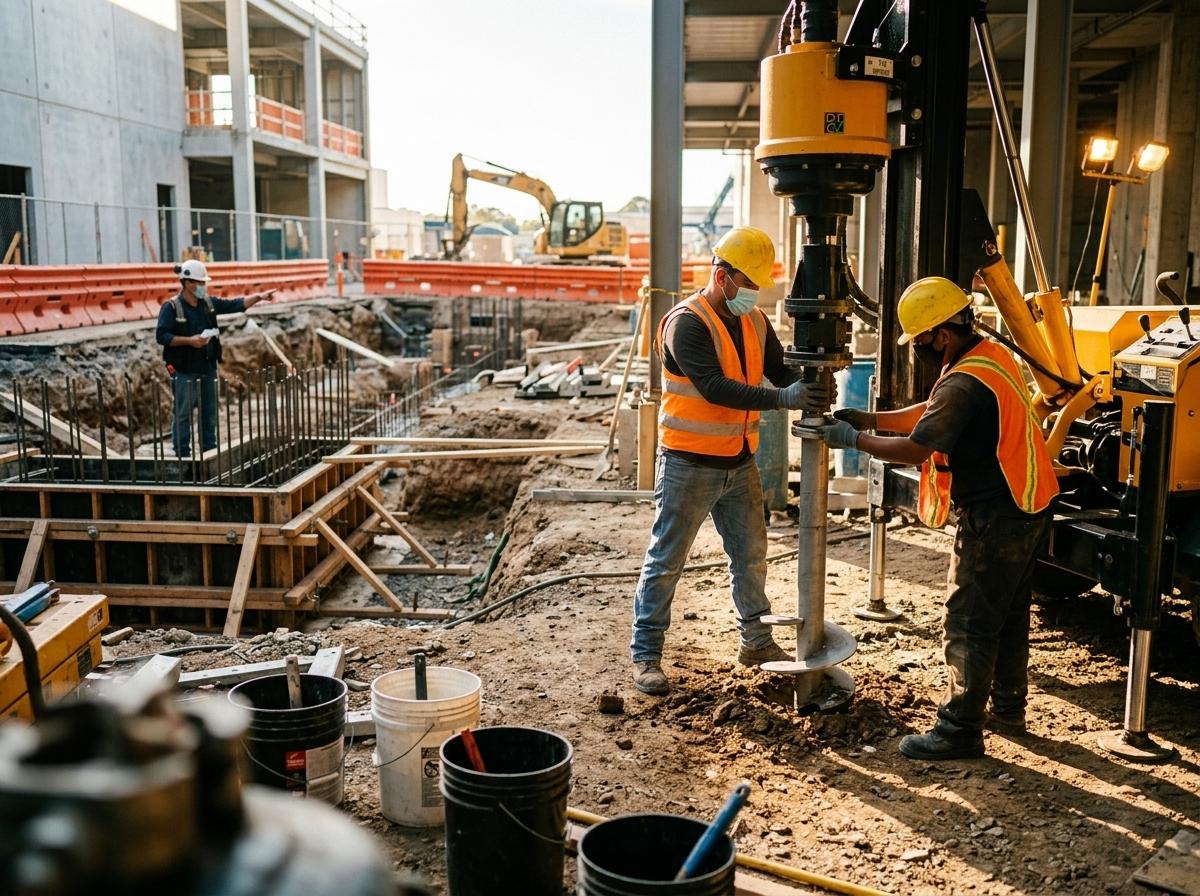
Helical piles are designed to provide robust axial and lateral capacity. This is crucial for supporting structures in varying soil conditions. The torque-to-capacity method used during installation offers real-time verification of load-bearing capabilities. Engineers can adjust configurations on-site, ensuring the foundation meets specific project requirements without guesswork.
The axial capacity of helical piles is typically verified through installation torque, which correlates with the pile’s ability to support vertical loads. Lateral capacity, on the other hand, involves resistance to horizontal forces. Both capacities are essential for maintaining structural integrity, particularly in regions prone to seismic activity or soil movement. This adaptability makes helical piles a preferred choice for diverse projects, from transmission line footings to remote pipeline installations.
Corrosion Protection and Material Quality
Corrosion protection is vital for the longevity of any foundation system. Helical piles are often made from hot-dip galvanized steel, providing a protective zinc coating that guards against corrosion. This process extends the service life of the piles, even in aggressive soil environments. The quality of materials used in helical piles ensures durability and reduces the likelihood of maintenance issues over time.
Hot-dip galvanizing is a standard practice in Australia, offering a reliable method for corrosion protection. In more aggressive soils, additional measures such as epoxy coatings or cathodic protection can be applied. These options ensure that helical piles remain a viable and durable foundation choice, capable of withstanding harsh environmental conditions while maintaining structural integrity.
Suitability for Australian Soils
Australian soils present unique challenges for foundation systems. Helical piles are engineered to perform across various soil types, from reactive clay to weathered rock. Their adaptability makes them suitable for diverse landscapes, ensuring consistent performance even in difficult conditions. This versatility is crucial for projects like solar farms and pipeline supports, where soil variability can impact foundation stability.
By screwing into competent strata, helical piles provide reliable support regardless of soil type. Their ability to handle reactive clay, coastal sand, and other common soil conditions in Australia makes them a preferred choice for engineers seeking dependable solutions. Additionally, they adapt to different site constraints, offering a practical foundation option for challenging environments.
Practical Considerations for Project Teams
Buildability in Remote Sites
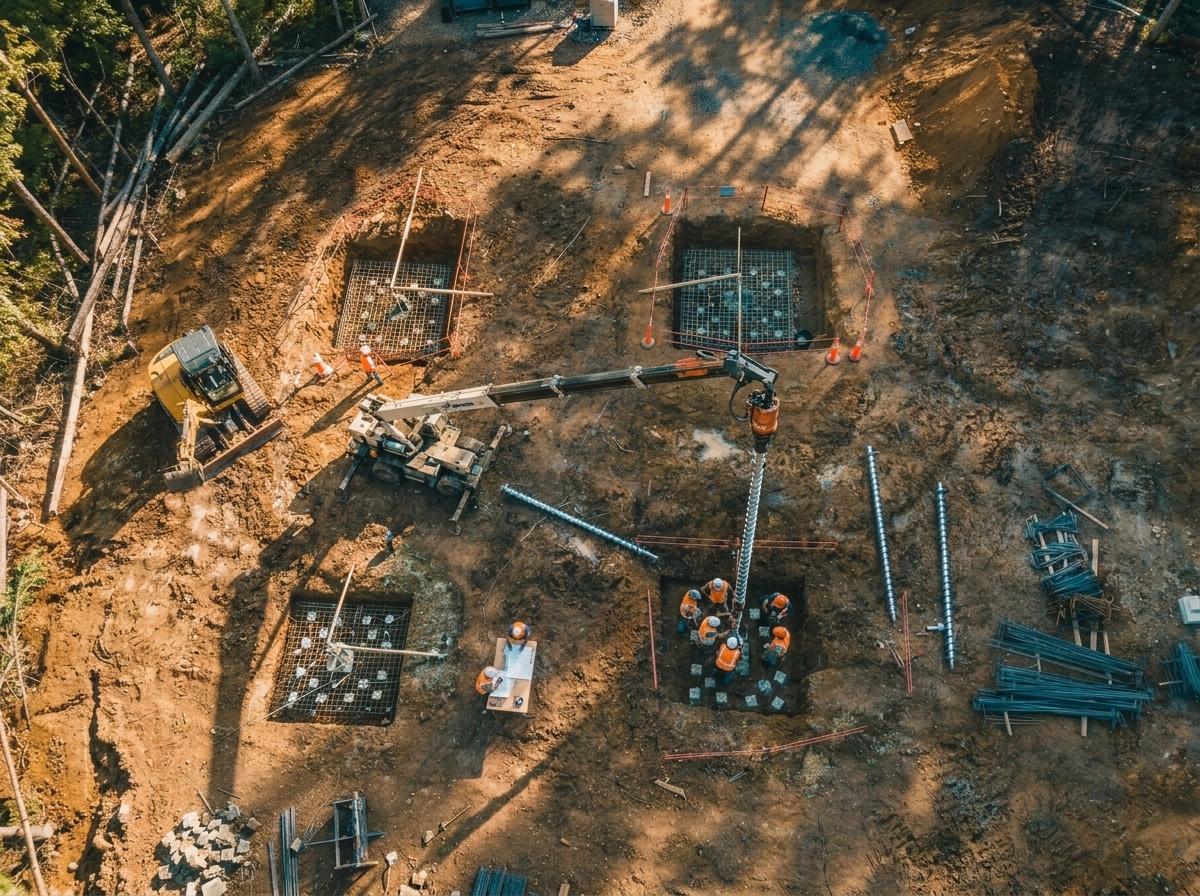
Building in remote sites presents logistical challenges that traditional foundations struggle to overcome. Helical piles offer a solution by enabling construction with smaller, more maneuverable equipment. This reduces the need for extensive site preparation and heavy machinery, making it easier to work in constrained or remote areas. The ability to install in various weather conditions further enhances their suitability for isolated locations.
Helical piles eliminate the need for concrete batching and curing, streamlining the construction process. This efficiency leads to quicker project completion and less disruption to the surrounding environment. By choosing helical piles, you ensure that your project can progress smoothly, even in the most challenging settings.
Immediate Load and No Curing Time
One of the standout benefits of helical piles is their immediate load capacity. Unlike traditional foundations, which require time for curing, helical piles can be loaded and utilized right after installation. This accelerates project timelines and reduces downtime, allowing construction to continue without delays.
The absence of curing time is particularly advantageous for projects with tight schedules or those located in areas with unpredictable weather. Immediate load capacity ensures that your project remains on track, minimizing the risk of schedule overruns and associated costs. This efficiency is a key reason why helical piles are favored for infrastructure projects across Australia.
Case Studies in Australia
Case studies highlight the successful application of helical piles in Australian projects. From solar farms to pipeline supports, these examples demonstrate the advantages of choosing helical piles over traditional foundations. In one instance, a solar farm project saw a 30% reduction in installation time by using helical piles, leading to significant cost savings and faster completion.
Another case involved pipeline supports in remote terrain, where helical piles provided reliable stability without the need for extensive site preparation. These examples underscore the practical benefits of helical piles, showcasing their ability to deliver efficient, cost-effective, and environmentally friendly solutions for diverse projects.
Frequently Asked Questions
What are the main benefits of using helical piles over traditional foundations?
Helical piles offer faster installation, immediate load capacity, and minimal environmental impact. They require no curing time, making them ideal for projects with tight schedules or those in remote areas.
How do helical piles ensure structural integrity?
Helical piles provide real-time torque-to-capacity verification during installation, ensuring each pile meets the required load capacity. This method offers confidence in performance and reduces the risk of structural issues.
Are helical piles suitable for all soil types in Australia?
Helical piles are adaptable to various Australian soils, including reactive clay and coastal sand. Their versatility makes them a reliable choice for diverse landscapes, ensuring consistent performance across different conditions.
What kind of maintenance do helical piles require?
Helical piles typically require minimal maintenance due to their corrosion-resistant properties. Made from hot-dip galvanized steel, they offer long-term durability even in aggressive soil environments.
Can helical piles be used for all types of infrastructure projects?
Yes, helical piles are suitable for a wide range of projects, including solar farms, transmission line footings, and pipeline supports. Their adaptability and efficiency make them a versatile foundation solution.
Explore how patented tech sets us apart in foundation solutions.