Traditional foundation methods often slow projects and introduce uncertainty, especially across Australia’s varied soils. In-house manufacturing combined with real-time torque verification cuts installation time by up to 50%, managing risks while ensuring compliance with AS 2159. For solar farms, transmission lines, or pipelines, this approach delivers predictable, immediate load-bearing performance without curing delays or excessive ground disturbance. Here’s how these practical differentiators set helical piles apart for your next Australian project. Learn more.
In-House Manufacturing Impact
In-house manufacturing of helical piles offers numerous advantages, from ensuring material quality to reducing supply chain disruptions. This process is essential in delivering high-performing foundations.
Control Over Steel Grades
When you control the manufacturing process, you ensure that only the highest quality steel is used in your helical piles. This means better load-bearing capacity and longer-lasting structures. Advanced manufacturing technologies provide the precision needed for consistent performance. By selecting the best steel grades, you gain confidence that your foundations will meet specific project demands.
Moreover, maintaining in-house control allows for material traceability. This means that every piece of steel has a documented history, ensuring compliance with industry standards. By knowing the origins and specifications of your materials, you can avoid potential issues down the line.
Helix Geometry and Quality Assurance
Precision in helix geometry is vital to the performance of helical piles. In-house manufacturing allows for exact specifications, ensuring each pile performs optimally in its intended environment. The precise shaping of helices directly affects their ability to anchor securely in various soils, including reactive clay and coastal sands.
Quality assurance protocols are seamlessly integrated into the manufacturing process. Every step, from raw material selection to final product inspection, is monitored closely. This rigorous approach minimizes defects and enhances reliability. By ensuring quality at every stage, you reduce the risks associated with installation and performance.
Compliance with AS/NZS Standards
Adhering to Australian Standards such as AS/NZS 1554 and AS/NZS 4680 is crucial for credibility and safety. In-house manufacturing facilitates tighter control over these compliance processes. By ensuring that all products meet or exceed these standards, you provide clients with peace of mind.
Furthermore, compliance extends beyond just manufacturing. It includes installation practices and environmental considerations. Being able to demonstrate adherence to these standards is a key selling point, reassuring clients that their projects are in capable hands.
Real-Time Torque Verification
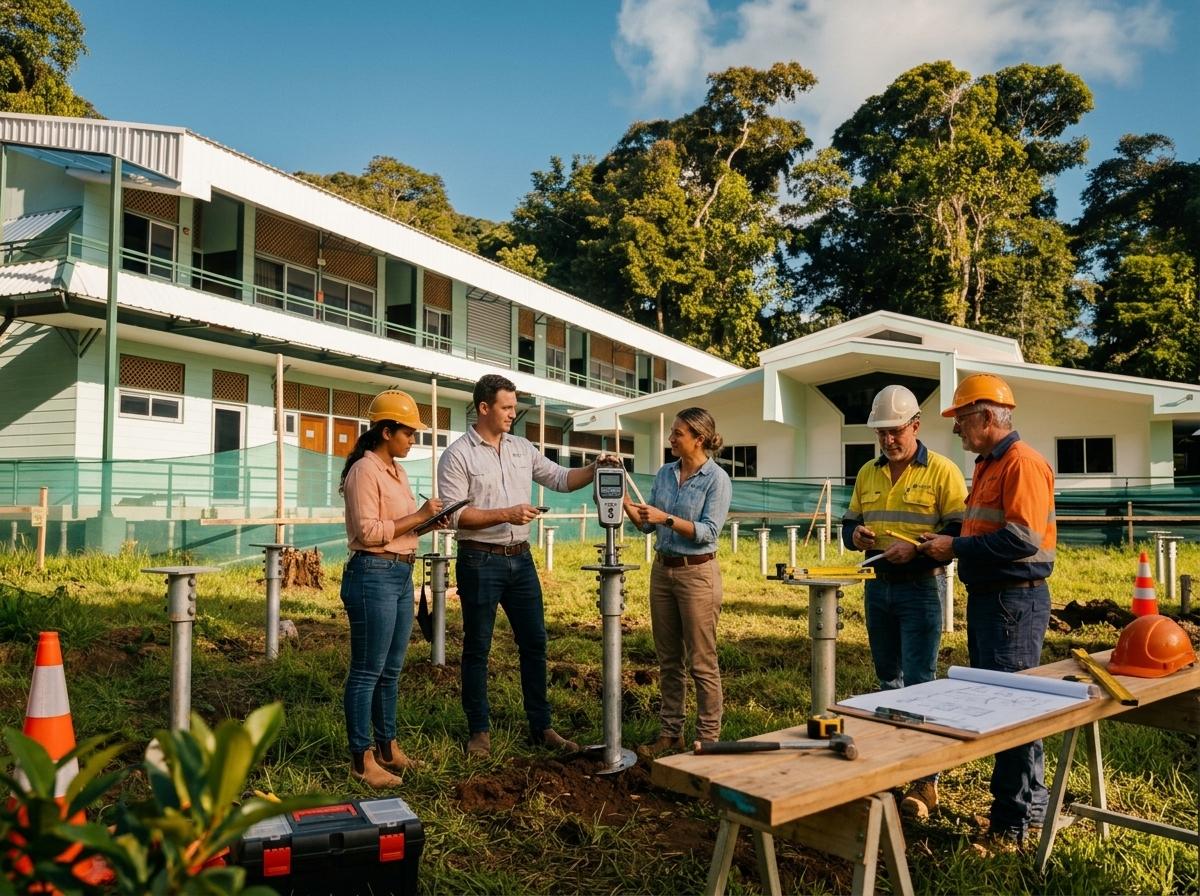
Real-time torque verification offers a major advantage in foundation installation by providing immediate feedback on pile capacity. This method reduces uncertainty and ensures reliable performance.
Installation Torque Monitoring
Monitoring torque during installation is like having a real-time quality control system. As helical piles are installed, torque readings indicate the soil’s capacity to support the structure. This approach eliminates the need to wait for post-installation tests, accelerating project timelines.
Using cutting-edge technology, such as torque sensors, allows for precise measurements. This data is invaluable for engineers and project managers, confirming that each pile is installed correctly. By integrating this verification into the process, you ensure that every foundation is reliable and safe.
Torque-to-Capacity Correlation
The relationship between installation torque and load capacity is a cornerstone of helical pile technology. This correlation provides a direct measure of a pile’s ability to bear weight. By analyzing torque data, you can predict how well a pile will perform under various loads.
This method of verification is particularly useful in challenging conditions, such as reactive clay or coastal sand foundations. By understanding the torque-to-capacity relationship, engineers can design more effective foundation solutions tailored to specific ground conditions.
Proof and Load Testing Compliance
Proof and load testing are critical components of foundation installation. By verifying pile capacity through testing, you ensure compliance with relevant standards, such as AS 2159. This step is essential for maintaining the integrity of your projects.
Real-time torque verification supports these testing processes by providing immediate data on pile performance. This allows for adjustments as needed, ensuring that every installation meets required specifications. By integrating these testing protocols, you enhance project reliability and client confidence.
Project Efficiency and Environmental Benefits
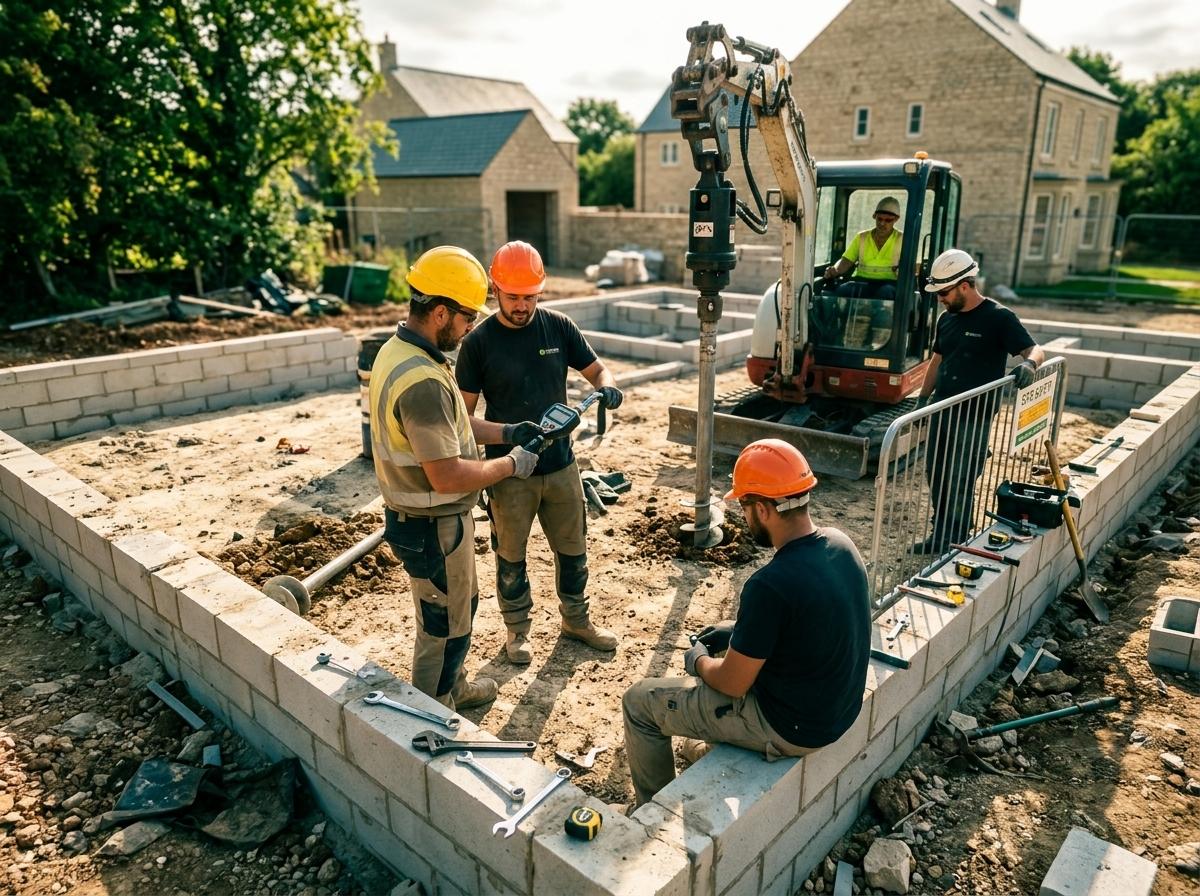
Efficiency and environmental considerations are central to modern construction practices. Helical piles address both concerns, offering fast, low-impact installation solutions.
Reduced Installation Time
One of the greatest benefits of helical piles is their ability to cut installation time by up to 50%. Unlike traditional concrete foundations, which require curing time, helical piles are ready for immediate loading. This advantage keeps projects on schedule, reducing delays and associated costs.
By eliminating the waiting period associated with concrete curing, you accelerate project timelines, allowing for faster completion. This is particularly beneficial for projects with tight schedules, such as solar farms and pipeline installations.
Immediate Load-Bearing Capacity
Helical piles provide immediate load-bearing capacity, a significant advantage over traditional methods. This feature allows construction to proceed without delay, enhancing overall project efficiency. The ability to bear loads immediately after installation reduces the risk of project overruns.
This capability is especially important in remote or challenging environments. By ensuring that foundations are stable from the outset, you mitigate risks associated with ground movement or environmental changes.
Minimizing Environmental Impact in Remote Sites
Helical piles are an environmentally friendly option for foundation installation. Their low-impact design minimizes ground disturbance, making them ideal for sensitive or remote sites. This approach protects local ecosystems while meeting project requirements.
By using smaller equipment and avoiding extensive excavation, you reduce the environmental footprint of your project. This is crucial in areas with strict environmental regulations or sensitive habitats. By choosing helical piles, you ensure that your projects are both efficient and sustainable.
Frequently Asked Questions
What are the benefits of in-house manufacturing for helical piles?
In-house manufacturing ensures quality control and material traceability, allowing for precise control over steel grades and helix geometry. This results in reliable performance in various ground conditions.
How does real-time torque verification improve foundation installation?
Real-time torque verification provides immediate feedback on pile capacity, reducing uncertainty and accelerating project timelines. This method ensures that each pile meets required standards for safety and performance.
Why are helical piles environmentally friendly?
Helical piles minimize ground disturbance and reduce the need for extensive excavation. Their low-impact design is ideal for sensitive environments, making them a sustainable choice for foundation installation.
How do helical piles compare to traditional concrete foundations?
Helical piles offer faster installation, immediate load-bearing capacity, and reduced environmental impact. Unlike concrete foundations, they do not require curing time, allowing projects to proceed without delay.
Can helical piles be used in all soil types?
Helical piles are versatile and can be used in various soil types, including reactive clays and coastal sands. However, they may not be suitable for solid rock or dense boulders without additional measures like pilot holes.