Infrastructure delays on challenging Australian sites drain project timelines and budgets. Early adoption of helical piles cuts through these issues by eliminating curing time and delivering consistent performance across reactive clays, coastal sands, and weathered rock. This approach reduces risk at the design stage and keeps solar, transmission, and pipeline projects on track. Here’s how timely helical pile adoption meets AS 2159 standards and outperforms concrete footings under difficult ground conditions. Learn more.
The Role of Helical Piles in Infrastructure
Preventing Foundation Delays
Helical piles offer a strategic solution to common foundation delays, ensuring projects remain on schedule. When faced with challenging ground conditions, traditional methods often lead to setbacks and increased costs.
By opting for helical piles, you bypass the usual hurdles. These piles are installed without the need for extensive excavation or curing time. This means your project can proceed without waiting for concrete to set. Additionally, helical piles provide immediate load-bearing capacity, making them ideal for time-sensitive projects.
Comparing Screw Piles and Concrete Footings
Choosing between screw piles and concrete footings can impact your project’s success. Screw piles shine in areas where concrete footings struggle, like reactive clay or sandy soils.
Screw piles are lightweight and can be installed with smaller equipment. This differs from concrete footings, which require heavy machinery and extensive groundwork. With screw piles, you see reduced ground disturbance and faster installation times. In comparison, concrete footings are labor-intensive and need longer to cure, adding time to your project timeline.
Evaluating Against AS 2159
Ensuring compliance with AS 2159 is crucial for any foundation project. Helical piles meet these standards effortlessly, giving you confidence in their reliability.
The strict adherence to AS 2159 means helical piles deliver consistent performance. They are designed to handle various loads and ground conditions, ensuring your project meets all necessary guidelines. With helical piles, you ensure that your foundation remains robust and dependable, no matter the environmental challenges.
Benefits of Early Helical Pile Adoption
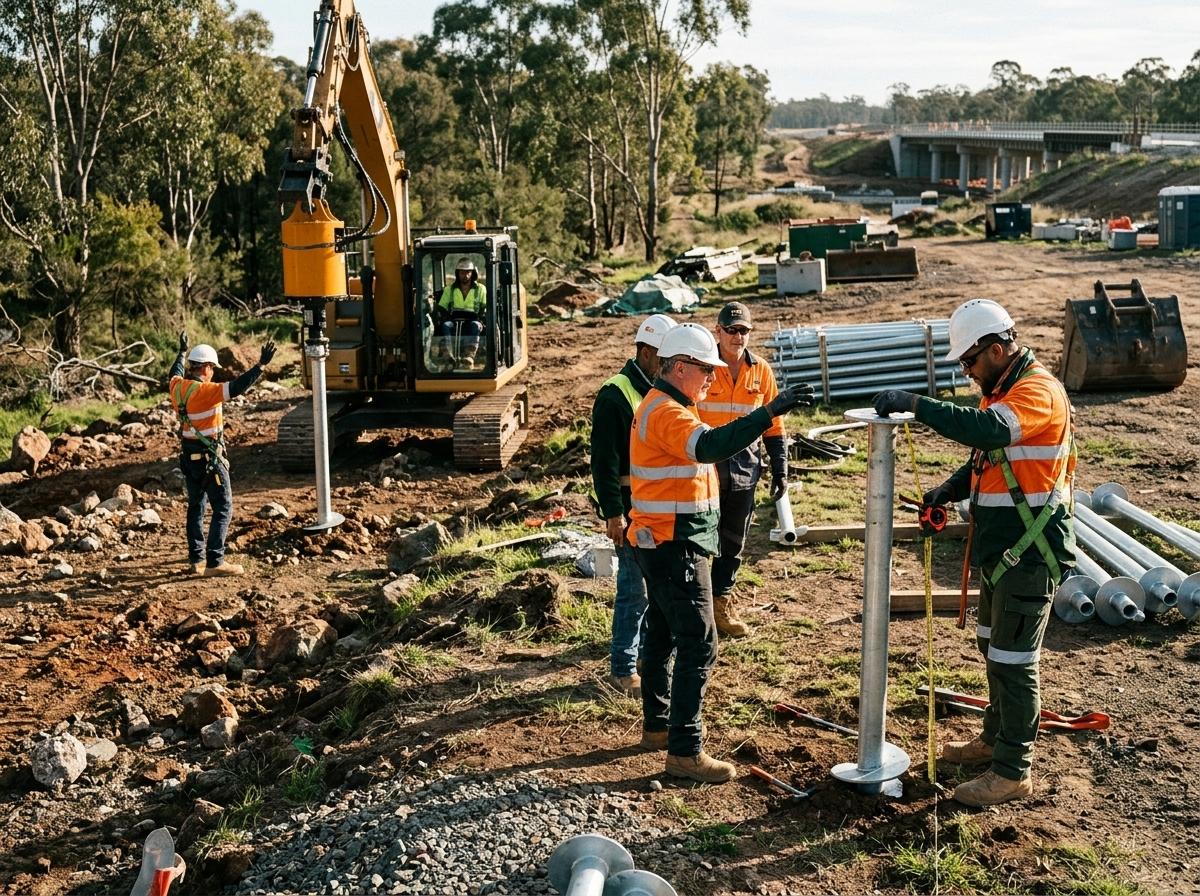
Reducing Ground Disturbance
Helical piles minimize the impact on the environment, preserving site integrity. Unlike traditional methods, they require no large-scale excavation, ensuring minimal disruption to the surrounding area.
This reduced disturbance is crucial for projects in sensitive environments. By preserving more of the natural landscape, you avoid the costs associated with site restoration. This approach not only saves time but also aligns with environmental goals, making your project more sustainable.
Installation Time Savings
Time is a critical factor in construction. Helical piles offer a swift installation process, cutting project timelines significantly.
Compared to concrete footings, which require curing, helical piles are ready for use immediately after installation. They require less machinery and labor, further reducing the setup time. This efficiency translates into cost savings, as fewer resources are tied up in lengthy processes, keeping your project moving forward.
Ensuring Predictable Capacity
With helical piles, you get reliable and predictable performance. Each pile’s capacity is verified during installation, providing real-time assurance.
This predictability is vital when dealing with challenging ground conditions. By knowing the exact capacity of each pile, you mitigate the risks of structural failure. This confidence enables you to plan your project with precision, avoiding costly surprises down the line.
Practical Framework for Project Success
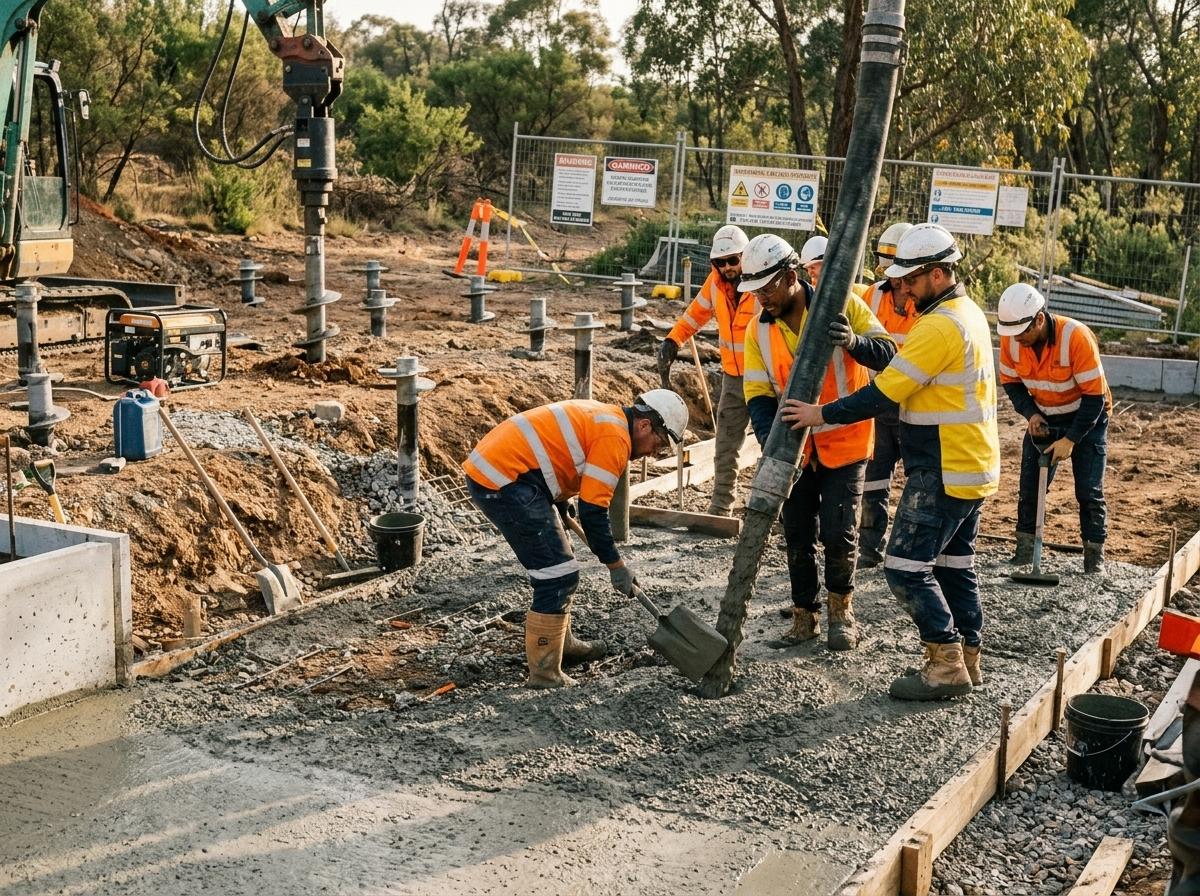
Planning Procurement and Installation
Proper planning is key to successful helical pile adoption. Early procurement and coordination with suppliers ensure timely delivery and installation.
Consider the specific needs of your project site. Engage with experts to determine the best pile specifications. By aligning these details early, you streamline the installation process, avoiding delays and ensuring materials meet your project’s unique demands.
Conducting a Constructability Review
A constructability review identifies potential challenges before they impact your project. This proactive approach ensures smoother execution on site.
Reviewing design plans and site conditions allows for adjustments that can save time and resources. By identifying potential obstacles, such as access issues or soil variability, you prepare your team to address them effectively, ensuring project continuity.
Real-Time Torque Verification
Real-time torque verification offers a significant advantage in ensuring the quality of helical piles. This process confirms each pile’s load-bearing capacity during installation.
This verification acts as a quality assurance measure, reducing the risk of failure. By confirming capacity in real-time, you eliminate the need for post-installation checks, saving time and ensuring that each pile meets the necessary standards immediately.
Frequently Asked Questions
What are helical piles?
Helical piles are steel shafts with helical plates, used to stabilize foundations by transferring loads to deeper soils. They offer immediate load capacity and minimal environmental impact.
How do helical piles compare to concrete footings?
Helical piles install faster and require no curing time, unlike concrete footings. They work well in challenging soils and have less environmental disturbance, making them a preferred option for time-sensitive projects.
Are helical piles compliant with Australian standards?
Yes, helical piles meet AS 2159 standards. They are designed to handle various loads and ground conditions, ensuring compliance and reliability in construction projects.
How does torque verification work?
Torque verification measures the resistance encountered during installation, correlating to the pile’s capacity. This real-time process assures the pile’s load-bearing ability, providing immediate quality assurance.
Why choose helical piles for remote sites?
Helical piles are ideal for remote locations due to their easy installation with smaller machinery and no need for concrete curing. They reduce logistical challenges and keep projects on schedule.