Helical pile foundations offer a faster, more reliable alternative to traditional concrete footings for solar, pipeline, and transmission projects in Australia. Your project timeline tightens when foundation installation faces delays, soil variability, and curing periods. With engineered helical piles designed for Australian soils and compliant with AS2159, you gain predictable performance and reduced ground disturbance. This post explains how screw pile foundations cut schedule risk and deliver immediate load capacity to keep your infrastructure projects on track.
Benefits of Helical Pile Foundations
Cutting Schedule Risk
Helical piles are your go-to solution when time is of the essence. They reduce the risk of delays because they need no curing time. Once installed, they’re ready to bear loads immediately. This means your project can move forward without waiting for concrete to set. Traditional footings can slow your timeline, especially with unpredictable weather. Helical piles eliminate this uncertainty. They allow you to keep your project on schedule, avoiding costly overruns and ensuring timely delivery.
Performance in Australian Soils
Australia’s diverse soils present unique challenges. Helical piles excel in these conditions. Whether you’re dealing with reactive clays, sandy coasts, or weathered rock, these piles adapt to the terrain. They’re engineered to handle different soil types, providing stability where traditional methods may fail. This adaptability ensures your infrastructure remains sturdy and reliable, no matter the ground conditions. In regions where soil variability is a concern, helical piles offer a dependable foundation option.
Compliance with AS2159
Compliance with Australian standards is crucial for any construction project. Helical piles meet AS2159, ensuring they adhere to the necessary guidelines for safety and performance. This compliance gives you peace of mind, knowing that your project meets the required regulations. Adhering to these standards not only supports safety but also enhances the credibility of your project in the eyes of regulators and stakeholders. Choosing helical piles means choosing a foundation system that’s built to last and built to code.
Helical Piles vs Concrete Footings
Installation Time Savings
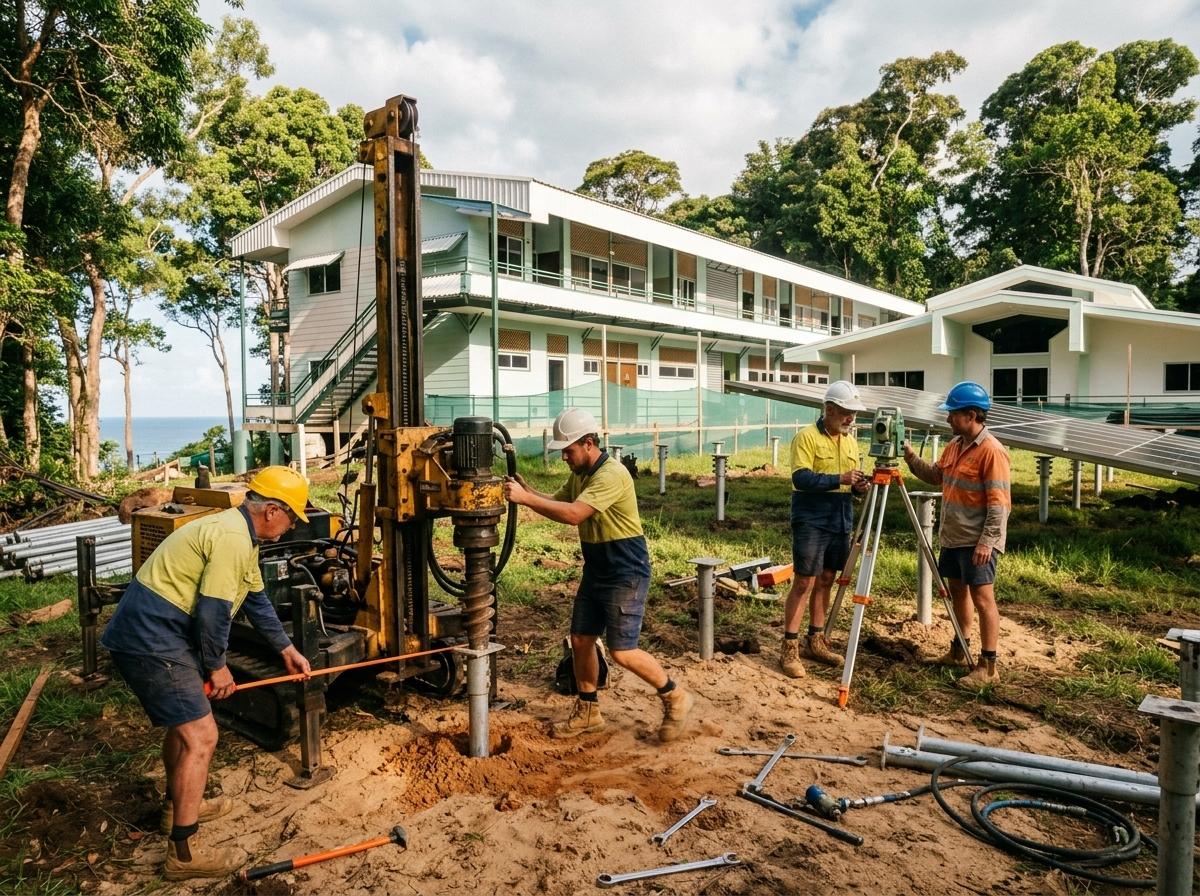
When comparing helical piles to concrete footings, one of the biggest advantages is the speed of installation. Helical piles can be installed rapidly, often cutting installation time by up to 50%. This efficiency not only saves time but also reduces labor costs and minimizes your project’s overall timeline. Concrete footings require extensive preparation, excavation, and, most critically, curing time. Helical piles skip these steps, allowing your project to move to the next phase without delay.
Reduced Ground Disturbance
Helical piles offer a low-impact solution compared to concrete footings. They don’t require large-scale excavation, which means there’s minimal disturbance to the site. This aspect is especially crucial in environmentally sensitive areas where preserving the landscape is important. By reducing ground disturbance, helical piles also lower the risk of environmental penalties and the need for costly remediation. This makes them not just a practical choice but a responsible one too.
Immediate Load Capacity
One of the standout features of helical piles is their immediate load-bearing capacity. Once installed, they’re ready to support structures right away. This is a significant advantage over concrete footings, which need time to cure before they can bear loads. Immediate load capacity allows for a quicker progression to subsequent construction phases. It ensures that your project timeline remains intact and reduces the risk of delays due to foundation issues.
Practical Applications and Advantages
Solar Farm Foundations
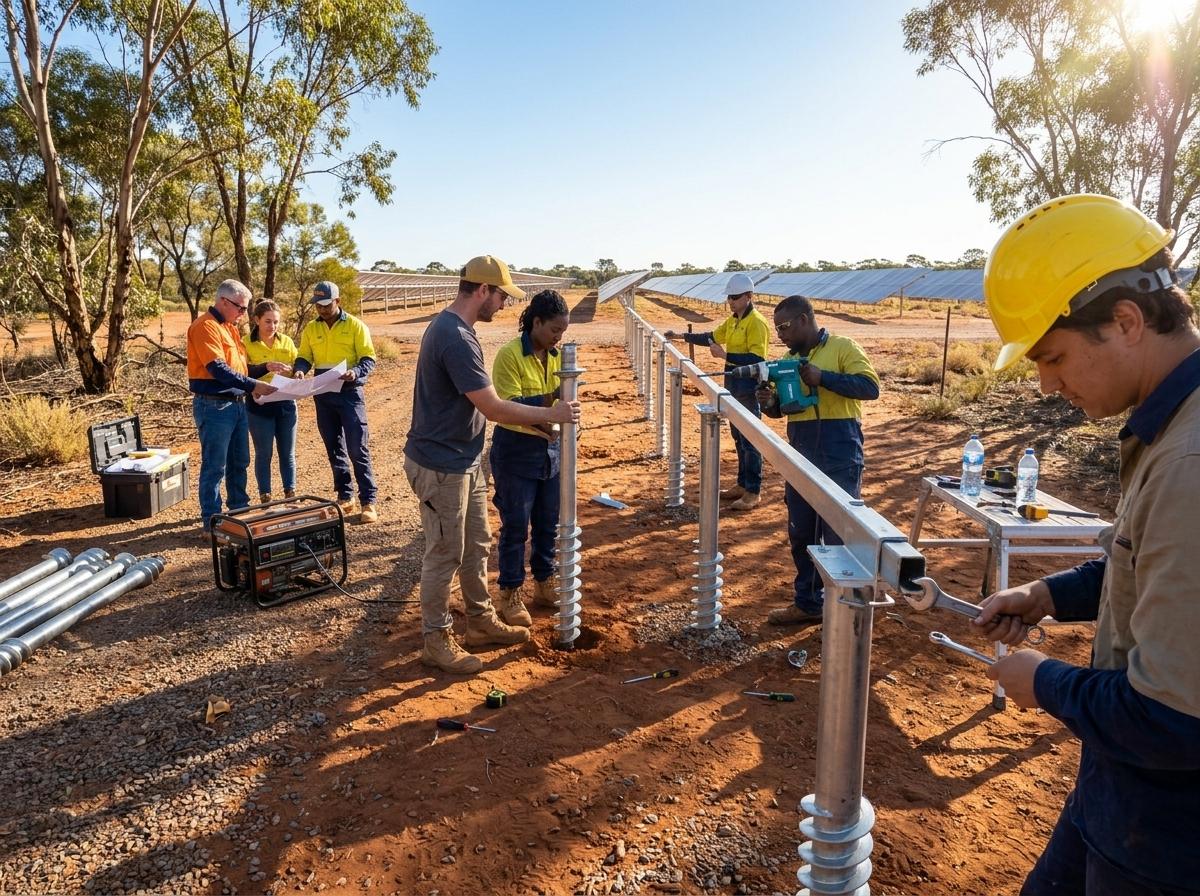
Helical piles are ideal for solar farm foundations. They offer quick installation, which is perfect for large-scale solar projects where time is critical. With minimal ground disturbance, they maintain the integrity of the site, which is often a requirement for solar farm developments. Their adaptability to various soil types ensures that solar panels remain stable and aligned, maximizing energy efficiency. Using helical piles helps meet tight deadlines and ensures the success of solar initiatives.
Pipeline Supports and Anchors
For pipeline projects, stability and reliability are paramount. Helical piles provide both. They anchor pipelines securely in varied terrains, including challenging soils like clays and sands. Their design resists lateral and uplift forces, crucial for maintaining pipeline integrity. The non-invasive installation process minimizes environmental impact, making them a sustainable choice. With helical piles, you ensure that pipeline supports are both robust and environmentally responsible.
Transmission Line Footings
Transmission projects demand foundations that can withstand environmental pressures and offer long-term stability. Helical piles meet these needs. Their ability to handle diverse soil conditions ensures that transmission structures remain secure. The quick installation process reduces labor and equipment costs, critical for remote transmission sites. Additionally, their compliance with AS2159 assures stakeholders of their safety and reliability. Helical piles are a smart choice for transmission line footings, offering both performance and compliance.
Frequently Asked Questions
What are helical piles used for in construction projects?
Helical piles are used for creating deep foundations in construction projects. They are particularly suited for solar farms, pipelines, and transmission lines, providing quick installation and minimal site disturbance.
How do helical piles compare to concrete footings?
Helical piles offer faster installation, immediate load capacity, and reduced ground disturbance compared to concrete footings. They are ideal in situations where time and environmental impact are critical considerations.
Are helical piles suitable for all soil types?
Helical piles are designed to perform in various soil conditions, including reactive clays, sandy coasts, and weathered rock. They adapt to different terrains, making them a versatile foundation solution.
Explore how patented tech sets us apart in foundation solutions.