A Guide to Helical Pile Plans for Council Submission in Australia
Navigating council submissions for helical pile plans in Australia? Our guide covers everything from engineering drawings to geotechnical reports for a smooth approval.
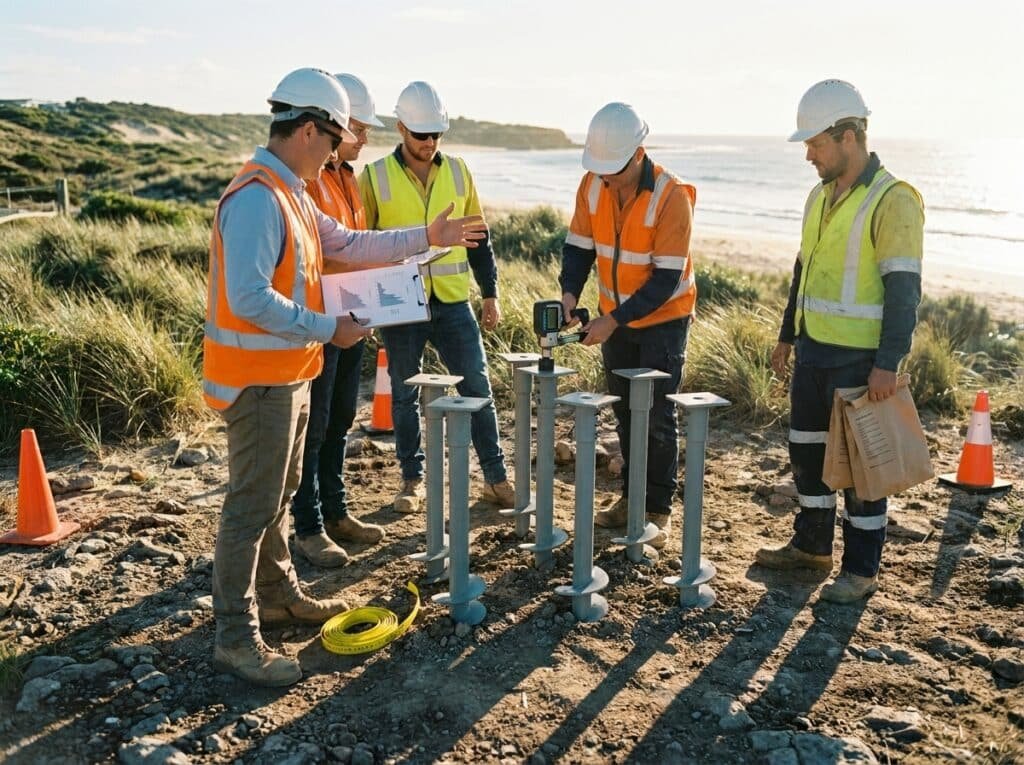
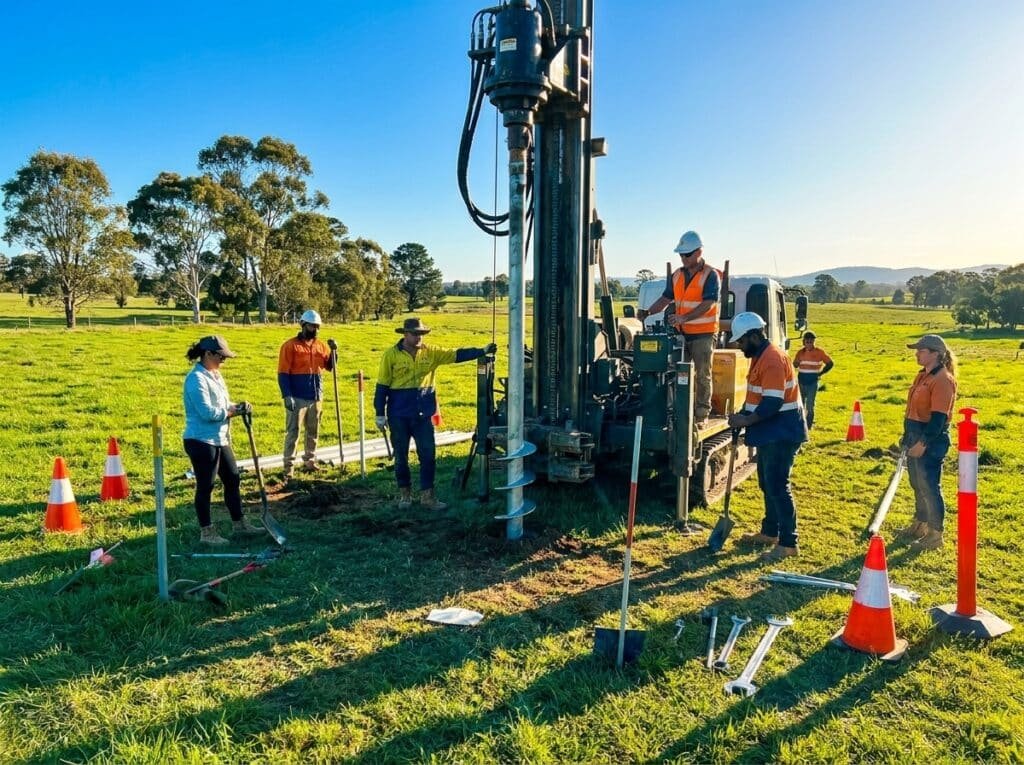
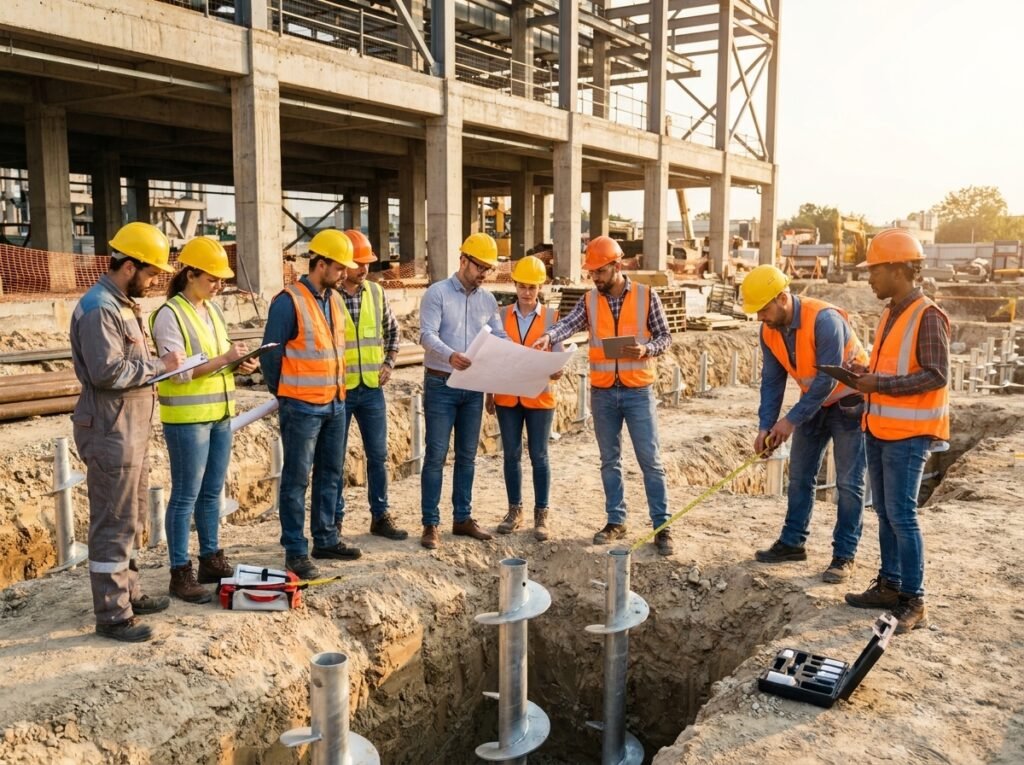
A successful helical pile design integrates structural loads, geotechnical data, and Australian standards to create a safe, durable, and economical foundation.
The adoption of helical piles across Australia is driven by a unique set of advantages that make them particularly suitable for our diverse environmental and construction conditions.
The standard AS 2159-2009, Piling – Design and Installation, is the core document governing all piling work in Australia. This includes the design and installation of helical piles. This standard provides a framework to ensure safety, quality, and performance for all foundation projects.
Confused by foundation pile terminology in Australia? Our guide explains helical piles, bored piers, and key terms in simple language for your building project.
Our guide covers the key differences, costs, and ideal uses to help you choose the best foundation.
Helical piles and screw piles are terms used interchangeably to mean one thing.
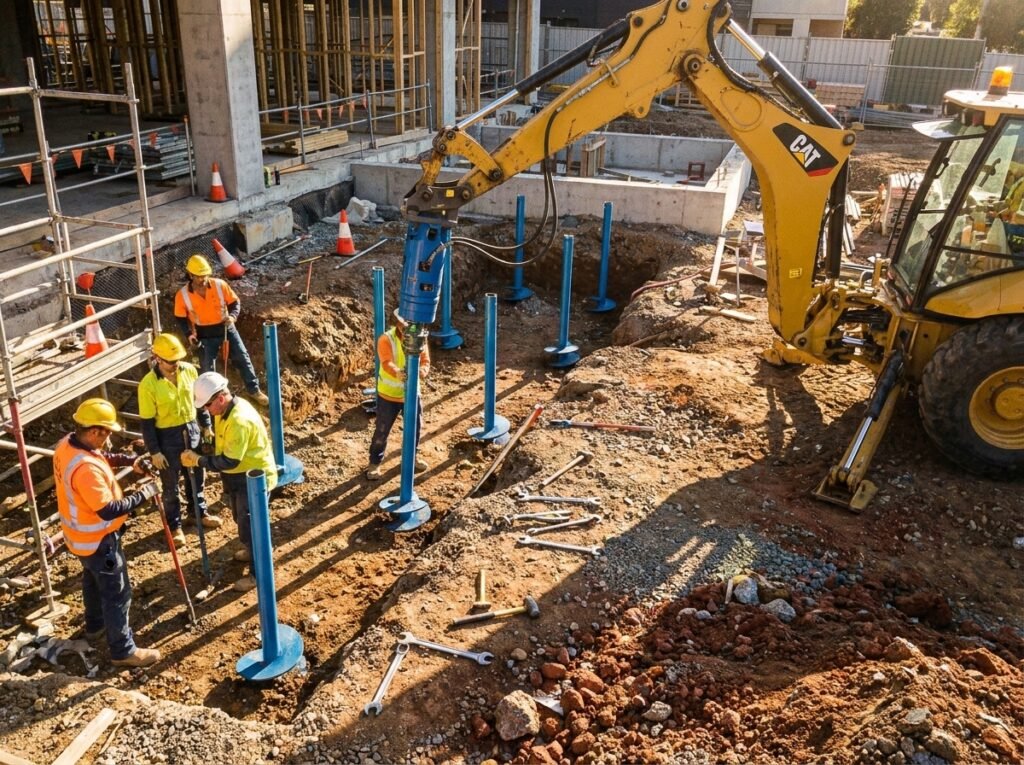
Every day saved on a construction timeline can mean significant cost savings, especially for large-scale infrastructure. When foundations don’t rely on concrete curing, project momentum accelerates and that’s where helical piles shine.
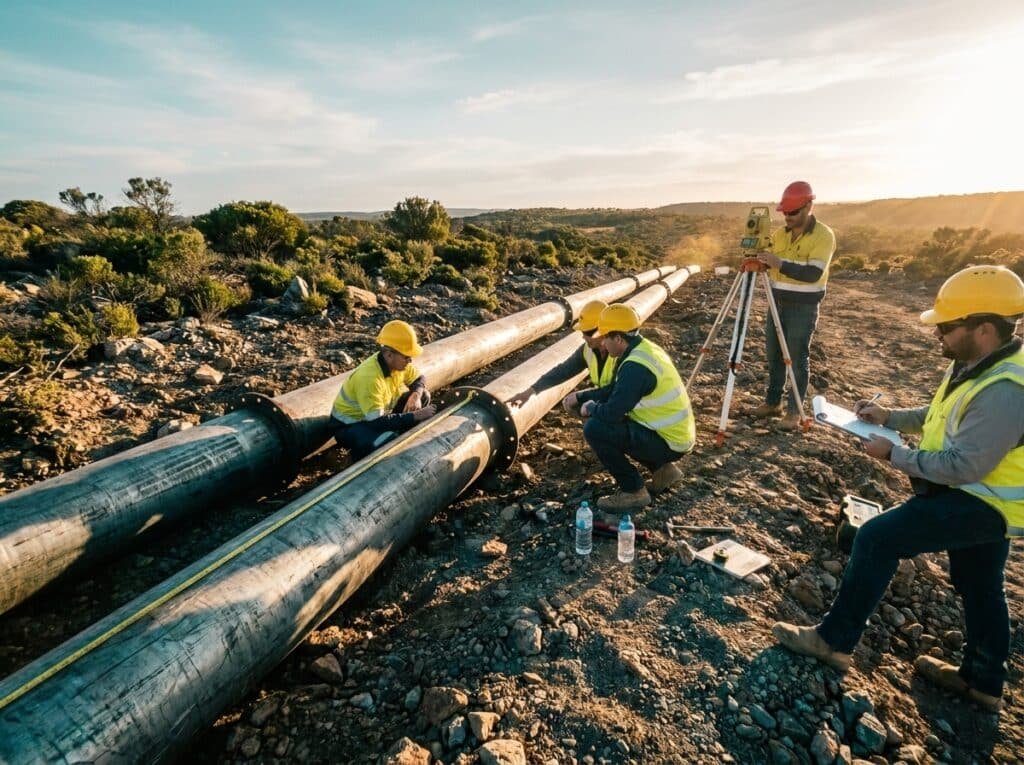
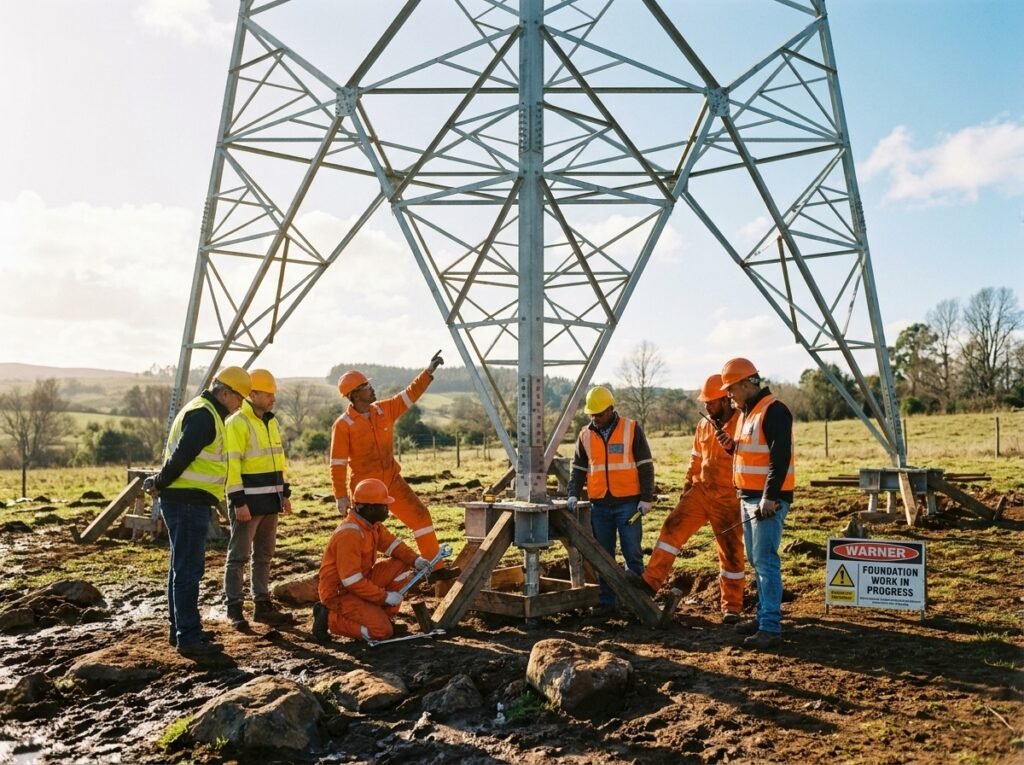
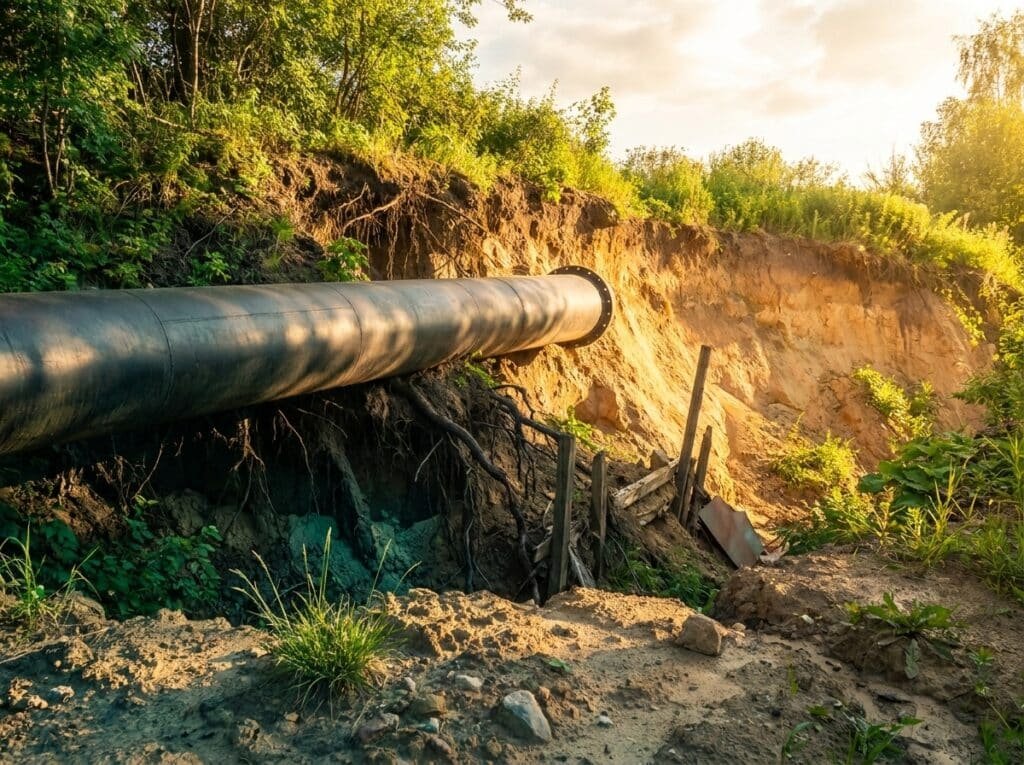
Remote infrastructure projects come with a unique set of challenges unpredictable terrain, limited site access, and pressure to stay on schedule. When it comes to solar farms, transmission towers, or pipelines, choosing the right foundation system is critical.
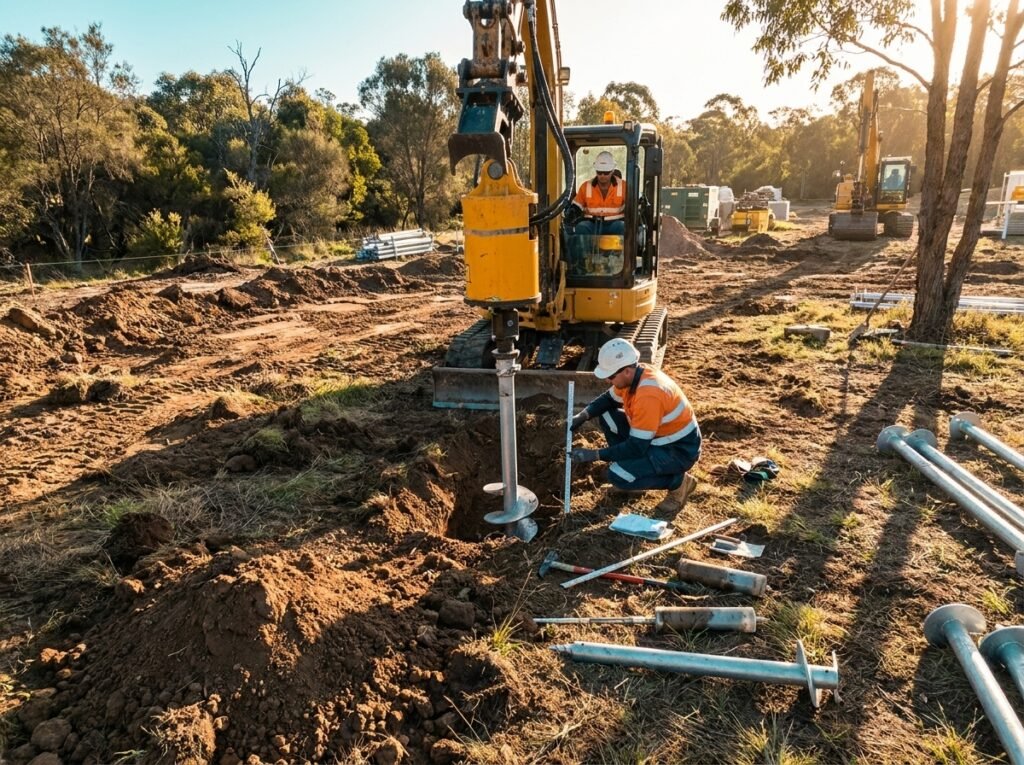
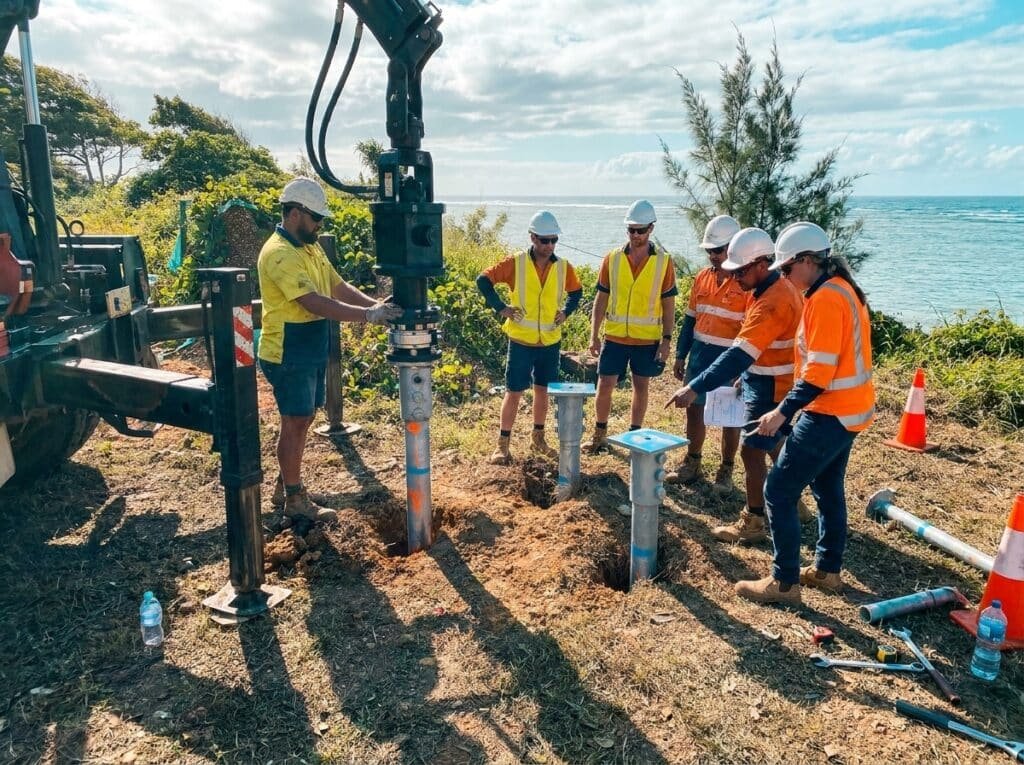
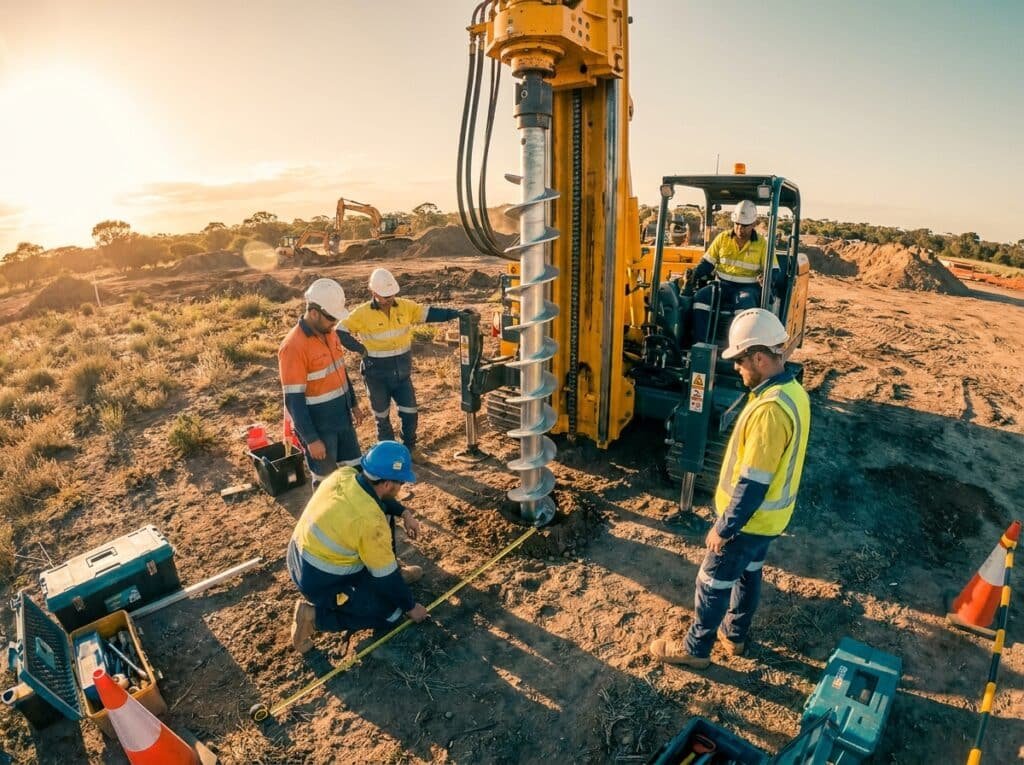
Helical piles are more than just steel shafts driven into the ground they’re precision-engineered foundation solutions designed for performance, speed, and adaptability. Used across civil, industrial, and infrastructure projects, these piles are gaining popularity in Australia due to their versatility and rapid install times.