Traditional concrete footings often stall solar farm timelines with long curing periods and unpredictable performance in Australian soils. You need a foundation method that delivers immediate load capacity and reliable results across reactive clays, coastal sands, and mixed profiles. Helical piles provide a precise, torque-verified solution that cuts installation time by up to 50% while reducing ground disturbance and risk. This post outlines how integrating helical piles into your ground mount solar racking design can streamline your next utility-scale project. For more foundational options, explore beyond the roof: foundation options for ground-mounted solar panels.
Helical Piles in Australian Soils
Helical piles are transforming solar farm installations across Australia by offering a faster and more reliable alternative to traditional concrete footings. Let’s delve into why these piles are making waves in the industry.
Advantages Over Concrete Footings
Helical piles stand out due to their swift installation and minimal disturbance. Unlike concrete, which requires lengthy curing times, helical piles can be installed and loaded immediately. This immediate load capacity reduces project timelines significantly. For instance, while concrete footings might delay work for days, helical piles let you proceed without interruptions. It’s a clear win for projects pressed against time. Furthermore, their installation causes less ground disruption, preserving the natural landscape and reducing environmental impact. This makes them a preferable choice for ecologically sensitive areas or remote sites.
Addressing Soil Variability Challenges
Australian soils, from reactive clays to coastal sands, pose challenges. Helical piles adapt seamlessly to these varied conditions. Their design ensures stability even in unpredictable ground, offering peace of mind for engineers. Concrete might struggle in reactive soils, leading to cracking or settling issues. Helical piles, however, are torque-verified, meaning each installation is checked for the right tension, ensuring reliable performance regardless of soil type. This adaptability reduces the risk of future structural issues, saving time and money on potential repairs.
Installation Process and Efficiency
The helical pile installation process is straightforward and efficient. A small team with the right equipment can complete the job quickly, often cutting installation time by up to 50% compared to concrete methods. This efficiency is not just about speed; it translates to cost savings in labor and machinery. The simplicity of the process also means less room for error, ensuring projects stay on schedule and within budget. This streamlined approach benefits all involved, from project managers to on-site workers.
Performance and Environmental Benefits
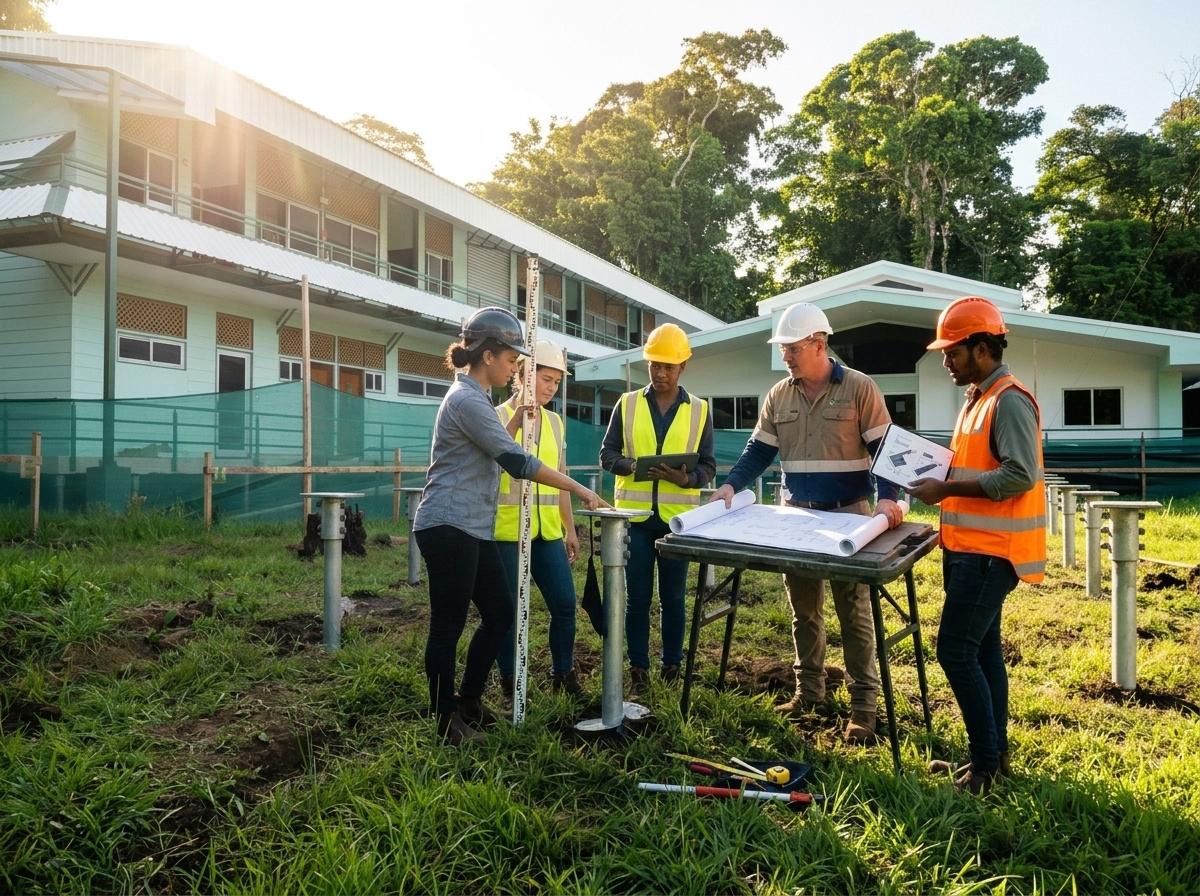
Helical piles offer robust performance benefits and are environmentally friendly, making them ideal for today’s construction needs.
Immediate Load Capacity and Verification
One of the standout features of helical piles is their immediate load capacity. From the moment they’re installed, they can bear weight, which is a game-changer for tight project timelines. Each pile’s load capacity is verified through torque monitoring, ensuring that every installation meets the required standards. This real-time verification reduces uncertainties and enhances confidence in the foundation’s integrity, crucial for large-scale solar projects.
Minimizing Ground Disturbance
Helical piles are known for their minimal ground disturbance. Unlike traditional methods, which often require extensive excavation, helical piles leave the surrounding environment largely untouched. This is particularly important in areas with ecological sensitivities or where land preservation is a priority. By maintaining the natural landscape, projects can proceed with fewer environmental concerns and potential regulatory hurdles, aligning construction practices with sustainable development goals.
Corrosion Protection Standards
Durability is key, especially in challenging environments. Helical piles are engineered with corrosion protection standards that ensure longevity. This protection means they can withstand harsh conditions without degrading, offering reliable support over the long term. For solar farms expected to last decades, this durability translates to reduced maintenance costs and fewer replacements, providing significant long-term savings.
Practical Applications and Design Considerations
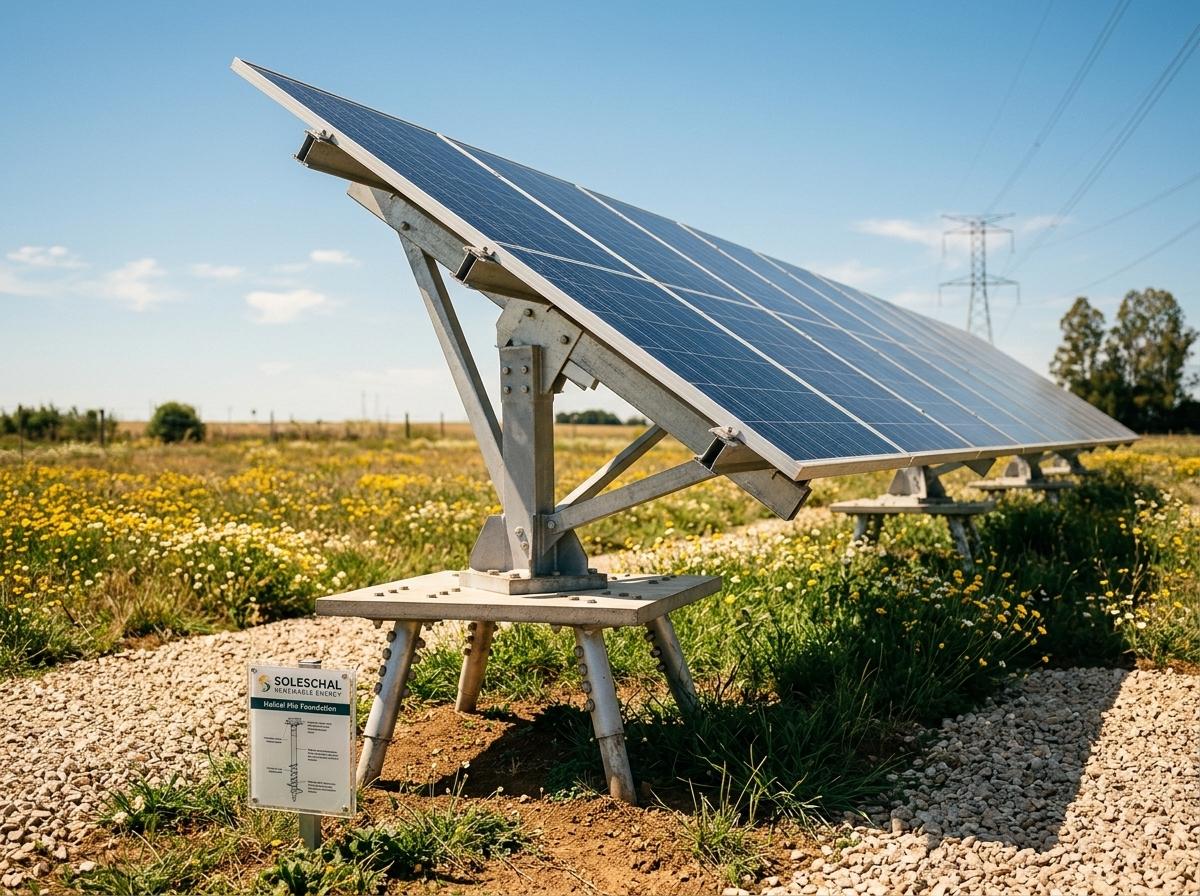
Understanding the practical applications and how to design with helical piles can optimize your next solar project.
Compatibility with PV Racking Foundations
Helical piles are highly compatible with photovoltaic (PV) racking foundations, offering a stable and secure base. This compatibility ensures that the solar panels remain securely in place, even in adverse weather conditions. The ease of integrating these piles with existing solar racking systems simplifies the design process and allows for faster project execution. This feature is particularly beneficial for large-scale installations where uniformity and reliability are critical.
Uplift and Lateral Load Capacities
Helical piles excel in providing strong uplift and lateral load capacities. This strength makes them suitable for a range of applications, from flat terrains to more challenging landscapes. Their ability to handle various loads means they can be tailored to specific project needs, offering flexibility in design and application. By addressing these load requirements, helical piles ensure stability and safety, crucial factors for any successful solar installation.
Design Reviews and Quoting Process
Engaging in comprehensive design reviews and obtaining accurate quotes are essential steps in planning with helical piles. These reviews ensure that the right specifications are met, aligning the project with safety and performance standards. Accurate quoting helps in budgeting and resource allocation, ensuring no surprises down the line. For those interested in taking the next step, exploring Ground Mount Solar Installation could provide further insights into leveraging helical piles for your projects.
Frequently Asked Questions
What are the main advantages of helical piles over concrete footings?
Helical piles offer faster installation and immediate load capacity, reducing project timelines. Unlike concrete footings, they cause minimal ground disturbance and adapt well to varied soil conditions.
How do helical piles handle different soil types in Australia?
Helical piles are designed to adapt to various Australian soils, from reactive clays to coastal sands. Their torque-verified installation ensures stability across different ground conditions, reducing the risk of structural issues.
What is the installation process for helical piles?
The installation process for helical piles is efficient and straightforward. It involves driving the piles into the ground using specialized equipment, a process that can cut installation time by up to 50% compared to traditional methods.
How do helical piles contribute to environmental sustainability?
Helical piles minimize ground disturbance and require less excavation, preserving the natural landscape. Their design also includes corrosion protection, ensuring long-term durability and reduced environmental impact.
What considerations should be made during the design phase with helical piles?
During the design phase, it’s crucial to conduct thorough reviews to ensure specifications align with project needs. Accurate quoting and integration with existing systems, like PV racking, are also important to optimize installation and performance.
Last chance for 2026 pricing – secure your foundation solutions today.