Traditional underpinning methods often slow projects with lengthy excavation and curing times. If you’re searching for “underpinners near me,” helical pile underpinning offers a proven alternative that installs up to 50% faster across Australian soils. Engineered to meet AS 2159 standards, this system delivers immediate load capacity, minimal site disturbance, and reliable performance in challenging conditions. Read on to understand how screw pile underpinning can streamline your foundation repair and design needs.
Helical Pile Underpinning: Faster, Reliable Solutions
Helical pile underpinning stands out for its speed and reliability, offering a clear edge over traditional methods. By eliminating lengthy excavation and curing times, these piles significantly speed up the foundation repair process.
Benefits Over Traditional Methods
Helical piles offer immediate benefits by eliminating the need for deep excavation. This approach reduces site disturbance and allows for quicker project timelines. Unlike concrete footings, which require curing, helical piles can be loaded immediately after installation. This means you can keep your project on track without delays. Additionally, with helical pile underpinning, you only need smaller, more mobile equipment, making it easier to work in tight spaces. This flexibility is particularly useful in urban environments like Sydney or Brisbane, where space is limited.
Immediate Load Capacity and Torque Verification
One of the biggest advantages of helical piles is their immediate load capacity. Once installed, these piles can support weight without waiting for curing. This is crucial for projects on tight schedules. The integrity of each pile is verified through torque measurements during installation. This means you can be confident in the load-bearing capacity right from the start. Torque verification turns every installation into a quality assurance step, ensuring each pile performs as expected. This real-time feedback is a game-changer, allowing you to address any issues immediately.
Compliance with AS 2159 for Australian Projects
Compliance with Australian standards is non-negotiable for any reliable foundation solution. Helical piles meet AS 2159 standards, ensuring they are suitable for various Australian soil conditions. This compliance guarantees that your project meets local regulations, reducing the risk of costly mistakes. By adhering to these standards, helical piles provide a reliable foundation solution that you can trust.
Applications of Helical Piles Across Australia
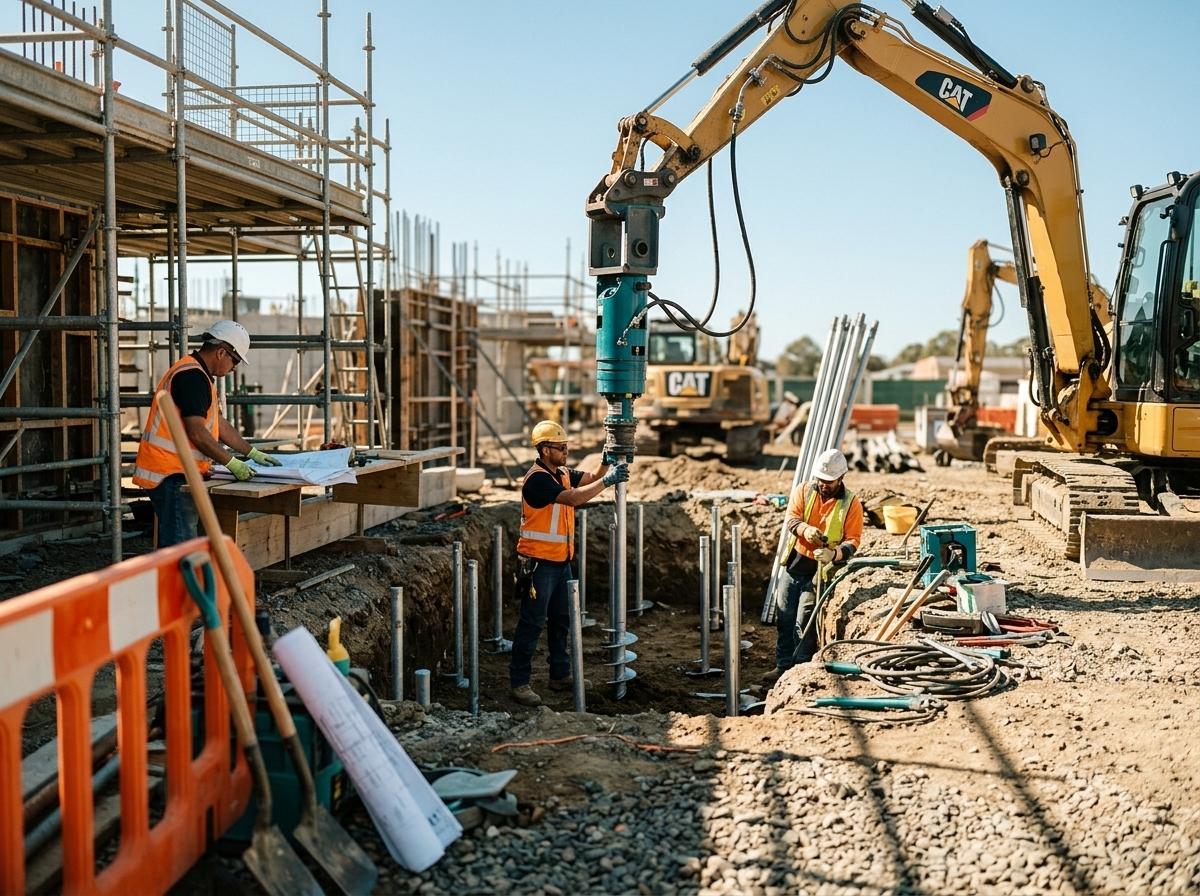
Helical piles are versatile, offering solutions to various foundation challenges across Australia. Whether dealing with reactive clay or working on solar farms, these piles provide a dependable option.
Addressing Reactive Clay and Coastal Sand Foundations
Reactive clay and coastal sand present unique challenges, but helical piles handle these with ease. For reactive clay, their adaptability ensures they adjust to seasonal changes without losing integrity. Coastal sands, on the other hand, require foundations that resist shifting and erosion. Helical piles’ design provides the necessary stability in these conditions. By using helical piles, you can build confidently, knowing your foundation will perform reliably regardless of soil type.
Solutions for Live Sites and Tight Access
Helical piles excel in live sites and areas with restricted access. Their installation requires minimal equipment, making it easy to navigate tight spaces without disrupting ongoing operations. Whether you’re working in a bustling city or a remote location, these piles fit the bill. The low vibration system also ensures minimal impact on surrounding structures and operations, making them perfect for sensitive sites.
Supporting Solar Farms and Transmission Lines
Large infrastructure projects like solar farms and transmission lines benefit immensely from helical piles. The ability to install quickly and load immediately accelerates project timelines, crucial for these massive undertakings. Helical piles offer the stability needed to support heavy loads. They adapt well to varying soil conditions, ensuring these projects are built on solid ground.
Choosing the Right Underpinning Contractors
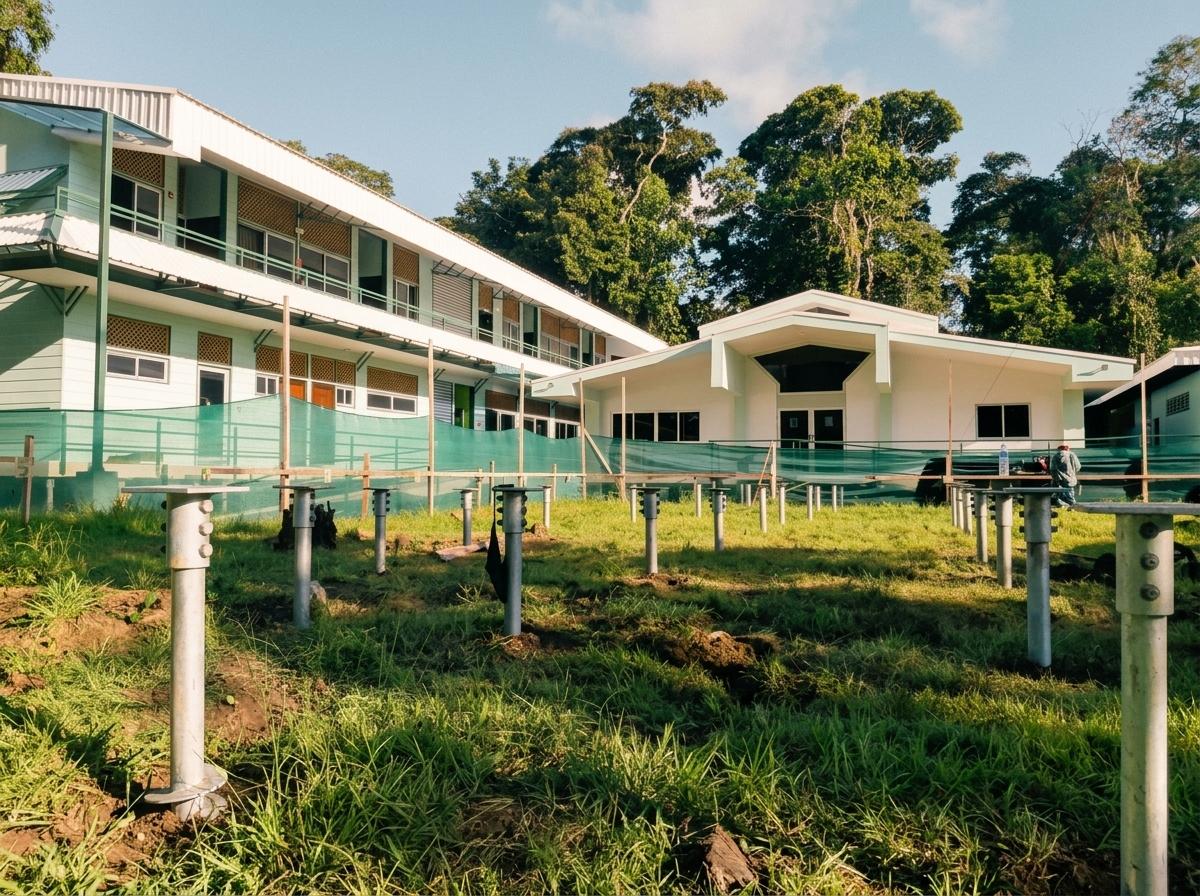
Selecting the right contractor is key to a successful underpinning project. Understanding the differences between screw piles and concrete footings is an important first step.
Understanding Screw Piles vs Concrete Footings
Screw piles offer distinct advantages over concrete footings, especially in terms of installation speed and flexibility. Concrete footings require extensive excavation and curing time, delaying projects. Screw piles eliminate these delays, providing immediate support. This makes them a more efficient choice for most projects. Understanding these differences helps you make informed decisions about your foundation needs.
Evaluating Minimal Excavation and Low Vibration Systems
Minimal excavation and low vibration are two major benefits of choosing helical piles. These aspects reduce site disruption and make it easier to work in sensitive areas. With helical piles, you can maintain the integrity of surrounding structures and avoid unnecessary complications. This makes them ideal for urban projects and areas with strict environmental regulations.
Requesting Engineering Reviews and Budget Quotes
For a successful project, it’s crucial to get a detailed engineering review and budget quote. This ensures you understand the costs involved and the suitability of helical piles for your specific needs. Working with expert contractors who provide transparent, detailed assessments helps avoid surprises. This step is crucial for planning and ensures your project stays on budget and schedule.
Frequently Asked Questions
What are the benefits of helical pile underpinning over traditional methods?
Helical pile underpinning offers faster installation, immediate load capacity, and minimal site disturbance compared to traditional methods like concrete footings. This makes them ideal for projects with tight schedules or difficult access.
How do helical piles verify load capacity during installation?
Load capacity is verified through torque measurements taken during installation. This real-time verification ensures each pile meets the necessary strength requirements without relying on post-installation testing.
Are helical piles compliant with Australian standards?
Yes, helical piles meet AS 2159 standards, ensuring they are suitable for various soil conditions across Australia. This compliance guarantees reliability and adherence to local regulations.
Can helical piles be used in areas with reactive clay or coastal sand?
Absolutely. Helical piles are designed to perform well in reactive clay and coastal sand, providing stability and adaptability to shifting soil conditions.
What should I consider when choosing an underpinning contractor?
Look for contractors who offer detailed engineering reviews and budget quotes. Understanding the differences between screw piles and concrete footings can also help in making an informed decision.
Last chance for 2026 pricing – secure your foundation solutions today.